
A balcony in an Australian apartment or home has two things going for it that most indoor spaces do not: direct natural light and outdoor air. For plants, these are exactly the conditions that allow a genuinely diverse and generous display. For the person who lives there, they are the ingredients for an outdoor space that feels worth spending time in.
See our indoor and outdoor plant stands before choosing a design for your space.
The challenge is that most Australian balconies are compact. The floor area is limited, the exposure to wind and sun can be intense, and the space has to serve multiple purposes - somewhere to sit, somewhere for plants, somewhere for the occasional dining setup or morning coffee. Every element needs to earn its place, and the plant display is no exception.
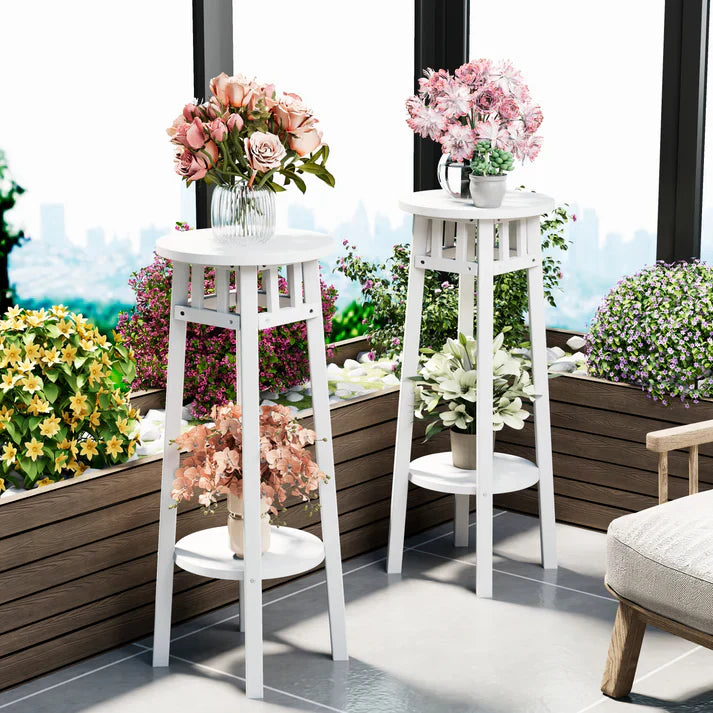
A well-chosen plant stand setup does several things simultaneously in this kind of space. It uses vertical space rather than horizontal space to hold more plants per square metre of floor area. It creates the layering and visual interest that transforms a bare balcony into something that genuinely feels like an outdoor room. And it keeps plants in positions where they receive the right amount of light without consuming the usable floor area that a balcony needs for other purposes.
Atfind room-ready options for everyday routines, outdoor and balcony plant stands are a significant part of what we design and source for Australian customers. This guide covers the practical setup ideas, stand types, and plant choices that make a balcony display work - in Australia's conditions and within the real constraints of compact outdoor living.

Understanding Your Balcony Before Choosing Any Stands
The most common mistake in balcony plant stand planning is choosing stands and plants before understanding the specific conditions of the balcony itself. Australian balconies vary considerably in their exposure, size, and structural characteristics, and these factors shape every decision that follows.
Orientation and sun exposure. A north-facing balcony in Australia receives the most sun through the day and is the most plant-friendly orientation for sun-loving varieties. An east-facing balcony gets morning sun and afternoon shade - good for plants that benefit from bright but not intense light. West-facing balconies receive afternoon sun, which can be intense in Australian summers. South-facing balconies are shadier and suit shade-tolerant varieties.
Understanding your balcony's orientation is the first step in plant selection, and plant selection in turn influences which stands make sense. A north-facing balcony that can support large, sun-loving plants needs stands with the load capacity and stability to hold substantial pots. A south-facing balcony with shade-tolerant plants typically uses lighter pots and simpler stands.
Wind exposure. Balconies above the third or fourth floor in Australian cities can experience significant wind, particularly in coastal areas. Wind affects plant choice directly - some varieties are far more wind-tolerant than others - and it also affects stand stability. Taller, slim stands on very exposed balconies can become unstable in strong wind, particularly when the pots they hold are not heavy enough to anchor them. For high-exposure balconies, lower-profile stands or stands positioned against the balcony's solid walls rather than its railing are generally more appropriate.
Floor load limits. Australian apartment buildings have structural load limits for balconies, which are typically specified in the building's strata documentation. Heavy stone or ceramic pots with substantial soil and root mass can add up in weight quickly when multiple stands are involved. For residents in strata properties, it is worth being aware of the building's guidelines and distributing heavier elements across the balcony floor rather than concentrating them in one position. This guide does not provide engineering advice - consult your building manager or a structural professional if you have specific concerns about load capacity.
Available floor area. Measure the usable floor area of the balcony, deducting the space needed for any furniture and for clear movement between the indoor door and the railing. The remaining space is what can be dedicated to plant stands, and knowing this figure in advance prevents the frustration of purchasing stands that simply do not fit.
Stand Types That Work Well on Australian Balconies
The stand types that perform well outdoors on an Australian balcony overlap significantly with those that work in compact indoor spaces, with the additional requirement of weather resistance.
Corner Stands for Balcony Corners
Balcony corners are consistently the most underused zones in compact outdoor spaces. A corner stand positioned in either corner of the balcony - typically the corners furthest from the interior door - uses space that would otherwise remain empty while holding multiple plants in a vertical arrangement that does not consume the balcony's central floor area.
Ourcompare this layout with the number of pots you display is designed for both indoor and outdoor use, which makes it well suited to balcony corner positions. Its tiered structure creates a meaningful plant display within the corner footprint, and its height adds vertical interest to a space that is otherwise bounded by low railings and horizontal surfaces.
For balconies with intense sun exposure, positioning the corner stand so that the taller elements create some shade for the lower tiers can also help manage the light levels for shade-sensitive plants in the lower positions.
Ladder Stands Along Balcony Walls
The solid walls of a balcony - the ones that enclose it on the sides or at the back - are excellent positions for ladder stands. A ladder stand positioned flat against a solid balcony wall uses the wall-adjacent approach that works so well indoors, but in an outdoor context also benefits from the wind protection that the wall provides.
In terms of space efficiency, a three or four-tier ladder stand along the back wall of a balcony can display a significant number of plants without reducing the floor area available for chairs, a small table, or clear movement paths.
Multi-Tier Freestanding Stands for Open Balconies
On larger or more open balconies where there is enough floor area to dedicate a zone specifically to plants, a multi-tier freestanding stand creates a more substantial display. Positioned at one end of the balcony, this kind of stand can become a genuine focal feature - a concentrated area of greenery that transforms the outdoor space.
Ourcompare this stand with your available floor space offers an additional practical benefit for balcony use: its wheeled base allows the stand to be moved easily when the balcony needs to be cleared - for maintenance, for a different configuration, or ahead of severe weather. This flexibility suits the reality of outdoor living, where the arrangement sometimes needs to change in ways that a fixed indoor display does not.
Balcony Plant Stand Setup Configurations
The most effective balcony plant setups follow one of a few reliable configurations, each suited to different balcony shapes and sizes.
The Perimeter Setup
In a small square or rectangular balcony, the perimeter setup positions stands along the back wall and one or both side walls, keeping the central floor area completely clear for furniture and movement. This approach maximises the plant display area while preserving the balcony's usability.
A corner stand in each of the balcony's back corners, supplemented by a ladder stand along the back wall between them, creates a U-shaped perimeter of greenery that frames the balcony without consuming any of its central space. Looking outward from a chair in the middle of the balcony, the plants create a frame around the view - an effect that is genuinely pleasant and is one of the reasons balcony plant displays are so worthwhile.
The Single-Corner Feature Setup
For very compact balconies where even a perimeter setup would feel crowded, a single-corner feature setup concentrates the entire plant display in one corner. A tall corner stand with five or six tiers, planted with a mix of trailing and upright varieties, creates a complete plant display within the corner footprint while leaving the rest of the balcony clear.
This is arguably the most space-efficient balcony plant setup available, and it suits the smallest apartment balconies where every square metre of floor space needs to remain functional.
The Railing-Adjacent Setup
Some balcony railings are solid enough and positioned appropriately to allow stands to be placed immediately beside them, where the plants receive maximum light exposure. Ladder stands and single-stem stands in this position are particularly effective for sun-loving plants that benefit from the direct light available near the railing.
For safety, stands placed near balcony railings should be stable and weighted appropriately. Stands that are too tall relative to their base width can become unstable if a large plant pot on an upper tier is not heavy enough to anchor the structure in wind. Always position taller stands against the wall sections of the balcony rather than near the railing edge where wind exposure is greatest.
Material Selection for Outdoor Durability
Material durability is the most significant difference between choosing a plant stand for indoor use and choosing one for a balcony. Outdoor conditions - UV light, rain, humidity, wind, and temperature variation - affect materials in ways that indoor conditions do not.
Bamboo is a common choice for outdoor balcony stands, and it performs well in sheltered outdoor conditions. In positions with significant rain exposure or coastal salt air, bamboo benefits from periodic sealing or treatment to extend its lifespan. Untreated bamboo in very wet or coastal conditions can develop surface weathering over time. For semi-protected balconies - those with overhead shelter or solid side walls - bamboo is a practical and attractive option. For fully exposed balconies in coastal areas, a treated or specifically outdoor-rated bamboo stand is preferable.
Powder-coated metal is generally the most weather-durable option for fully exposed balconies. The powder-coat finish protects the metal beneath from rust and UV degradation. In coastal areas, even powder-coated metal benefits from occasional cleaning to remove salt deposits that can accelerate surface wear over time. Ourcompare the footprint with your balcony or room layout are designed with outdoor use in mind - the rustproof specification makes them more suited to the exposed conditions of an Australian balcony than standard metal stands.
Treated timber in outdoor-grade finishes suits balconies that are partially sheltered. Timber stands with an outdoor sealant or oil treatment handle Australian conditions reasonably well in semi-protected positions, though they benefit from resealing periodically as the finish weathers.
For a detailed discussion of how different stand materials hold up in the specific conditions of Australian outdoor environments, including coastal areas and high-humidity zones, our article on choosing plant stand materials for outdoor Australian conditions covers the material comparison in practical terms.
Plant Selection for Australian Balcony Conditions
The plants that work best on an Australian balcony are those that suit the specific combination of light, wind, and temperature that the balcony provides. The range of viable plants is generally much broader outdoors than indoors, but exposure and climate still shape the selection significantly.
For sunny, north or west-facing balconies: Succulents, lavender, rosemary, geraniums, bougainvillea, and similar sun-tolerant plants thrive in direct Australian sun. On tiered stands, placing sun-sensitive varieties on the lower tiers where the upper tiers provide some shade allows you to include more plant variety within a single stand.
For east-facing or partially shaded balconies: Ferns, peace lilies, pothos, and similar varieties that prefer bright indirect light suit the morning-sun, afternoon-shade conditions of an east-facing balcony. These plants are often more lush and leafy than sun-tolerant varieties, which creates a fuller, greener display on the stand.
For windy balconies: Hardy, compact, low-growing varieties that do not present large leaf surfaces to the wind are more manageable than tall, large-leafed plants that can be damaged or destabilised by strong gusts. Succulents, herbs, and compact flowering plants suit windy balcony conditions better than tropical large-leafed varieties.
For year-round interest: Mixing evergreen plants with seasonal flowering varieties creates a display that remains interesting throughout the year, with the seasonal varieties changing as different flowers come into bloom. Herbs are particularly practical in this context - they provide ongoing visual interest, can be used in the kitchen, and suit the outdoor growing conditions of a sunny Australian balcony.
For guidance on arranging stands and plants together on patios and outdoor spaces, our post on how to arrange outdoor plant stands on patios and balconies effectively covers the practical arrangement considerations in detail.
Practical Setup Details for a Functional Balcony Display
Beyond stand selection and plant choice, a few practical details determine whether a balcony plant setup remains manageable and attractive over time.
Drainage management. On a balcony, drainage water flows somewhere - either through drainage points in the balcony floor or across it. Using pots with drainage holes and saucers keeps drainage contained and prevents water from pooling around the base of the stand. On balconies above other apartments, managing drainage carefully is also a courtesy to neighbours below.
Watering in heat. Australian summers can be intense, and balcony plants in direct sun may need more frequent watering than they would in a sheltered indoor position. Building watering into a regular routine, particularly in summer, prevents plants from drying out between waterings in hot weather.
Preparing for severe weather. Ahead of significant wind or rain events, moving lighter or top-heavy stands against the most sheltered wall section of the balcony, or temporarily bringing smaller stands indoors, reduces the risk of stands tipping in strong wind. Ourbrowse options for a balanced group of houseplants includes designs with stability and outdoor durability as primary considerations - built to handle the range of conditions that Australian outdoor living involves.
Cleaning and maintenance. Outdoor plant stands accumulate dirt, water marks, and organic material from the plants and the outdoor environment. Periodic cleaning - wiping down the stand structure and checking for any moisture damage or surface wear - extends the stand's lifespan and keeps the balcony display looking its best.
Building a Balcony That Feels Worth Being In
The practical considerations in this guide - weight, weather, drainage, wind - are real and worth attending to. But they are in service of a larger goal: a balcony that feels like a genuine outdoor room rather than an underused concrete platform attached to an apartment.
A well-planned plant stand setup is one of the most effective ways to achieve that. The greenery softens the hard surfaces of a typical balcony. The vertical display creates spatial interest in a zone that is often defined by its horizontal flatness. And the plants themselves introduce the kind of living, changing presence that makes an outdoor space feel worth spending time in.
At Metro Elegance, we source and design plant stands with both of these dimensions in mind - the practical requirements of outdoor use and the design quality that makes a balcony display genuinely worth creating. If you are planning a balcony plant setup and would like guidance on which stands would suit your specific balcony conditions and style, our team is happy to help.
Get in touch with Metro Elegance here.
Frequently Asked Questions
What type of plant stand is most suitable for a balcony?
Corner stands, ladder stands, and rolling multi-tier stands are among the most practical options for balconies. Corner stands and ladder stands use vertical space efficiently without consuming the balcony's usable floor area. Rolling stands offer additional flexibility for rearranging or clearing the space as needed.
What material is most weather-durable for a balcony plant stand?
Powder-coated metal is generally the most durable material for exposed balcony conditions, as the coating protects against rust and UV degradation. Outdoor-rated bamboo and treated timber also perform well in semi-sheltered positions. In coastal areas, all outdoor stand materials benefit from periodic cleaning to remove salt deposits.
Can I use an indoor plant stand on a balcony?
Some indoor stands can be used on semi-sheltered balconies, but stands not specified for outdoor use may deteriorate more quickly when exposed to rain, UV light, and temperature variation. Always check the product specifications before placing an indoor stand in an exposed outdoor position.
How do I prevent balcony plant stands from tipping in wind?
Position taller stands against the solid wall sections of the balcony rather than near the railing edge. Ensure the pot weight on upper tiers is sufficient to anchor the stand, and consider moving lighter or taller stands to a more sheltered position ahead of strong wind events. Choosing stands with a lower centre of gravity and a stable base reduces wind vulnerability.
Do I need to consider weight limits for a balcony plant setup?
Yes. Australian apartment balconies have structural load limits specified in the building's documentation. Large pots with substantial soil and root mass can be heavy, and multiple stands can accumulate significant weight. If you are uncertain about your balcony's load capacity, consult your building manager or a structural professional for guidance.
What plants suit a windy Australian balcony?
Compact, hardy plants with small or firm leaf surfaces suit windy balcony conditions better than large-leafed tropical varieties. Succulents, herbs, geraniums, and similar plants handle wind exposure more reliably. If the balcony is exposed to consistent strong wind, lower-profile stands with stable bases are preferable to tall, slim designs.
How often do balcony plants need watering in Australian summer?
This varies by plant variety, pot size, and the degree of sun exposure. In direct Australian summer sun, some balcony plants may need watering daily or every second day. Checking soil moisture regularly - rather than watering on a fixed schedule - is a more reliable approach, as different plants and positions within the same balcony can dry out at very different rates.