
-
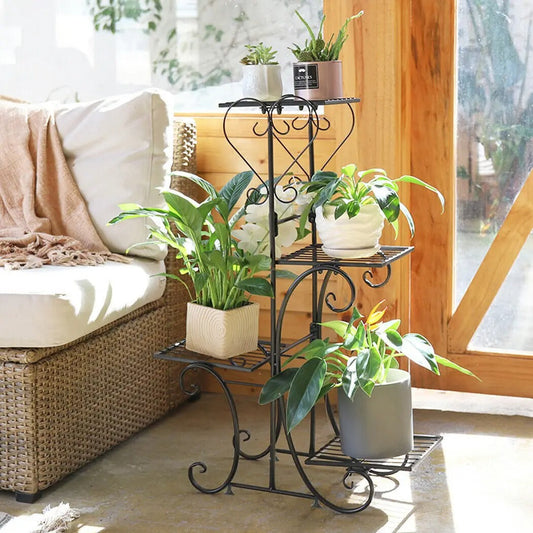
4-Tier Metal Plant Stand – Indoor/Outdoor Flower Display Rack for Balcony and Living Room
Regular price $79.00 AUDRegular priceUnit price per -
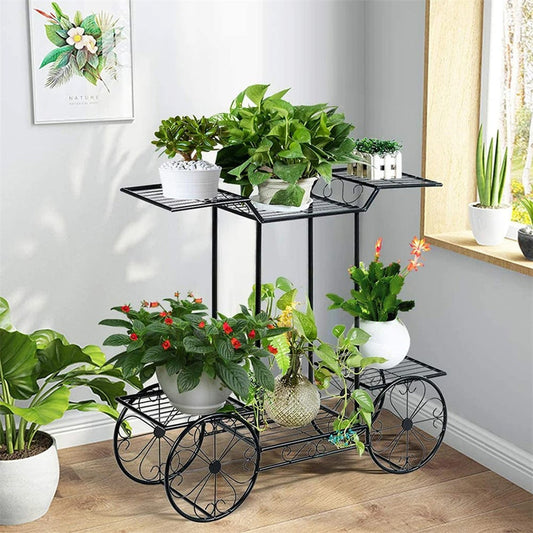
6-Tier Wrought Iron Plant Stand – Indoor/Outdoor Garden Cart Display Shelf for Home Décor
Regular price $119.00 AUDRegular priceUnit price per -

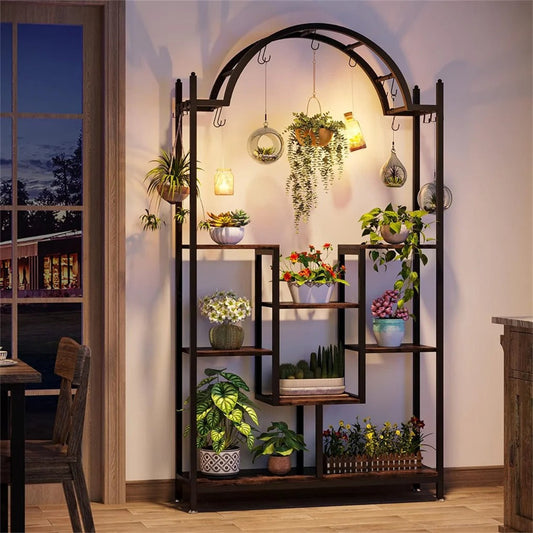
5-Tier Arched Metal & Wood Plant Stand – Tall, Vintage-Style Flower Shelf with Hanging Hooks
Regular price $259.00 AUDRegular priceUnit price per -
2-Piece Rustproof Metal Plant Stands – 4-Tier Flower Display Racks in White & Black for Gardens, Balconies, and Offices
Regular price $79.00 AUDRegular priceUnit price per -
3-Piece Dark Brown Pine Wood Plant Stand Set
Regular price $119.00 AUDRegular priceUnit price per$160.00 AUDSale price $119.00 AUDSale -
9 Tiers Metal Plant Stand Multi-layer Flower Pots Holder Display Rack for Garden Patio Balcony
Regular price $119.00 AUDRegular priceUnit price per -
6-Tier Half-Heart Metal Ladder Plant Stand – Decorative Black & Brown Shelf Rack for Multiple Indoor Plants
Regular price From $249.00 AUDRegular priceUnit price per$299.00 AUDSale price From $249.00 AUDSale -
2 Tier Bamboo Plant Stand, White Modern Minimalist Garden Plant Shelf
Regular price $119.00 AUDRegular priceUnit price per$199.00 AUDSale price $119.00 AUDSale -
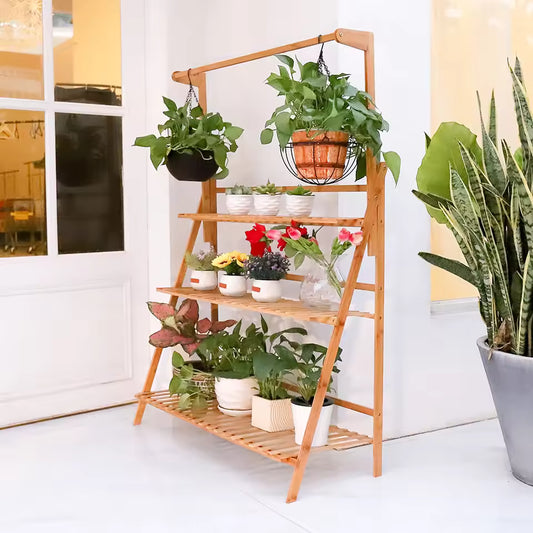
Folding 3-Tier Bamboo Plant Stand – 70cm/100cm Wide
Regular price From $119.00 AUDRegular priceUnit price per$165.00 AUDSale price From $119.00 AUDSale -
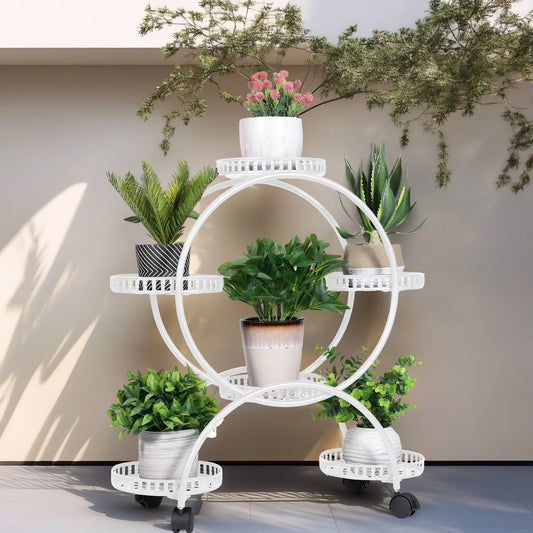
4-Layer Metal Rolling Plant Stand – 6-Pot Flower Holder with Wheels for Balcony, Patio, or Indoor Spaces
Regular price $99.00 AUDRegular priceUnit price per -
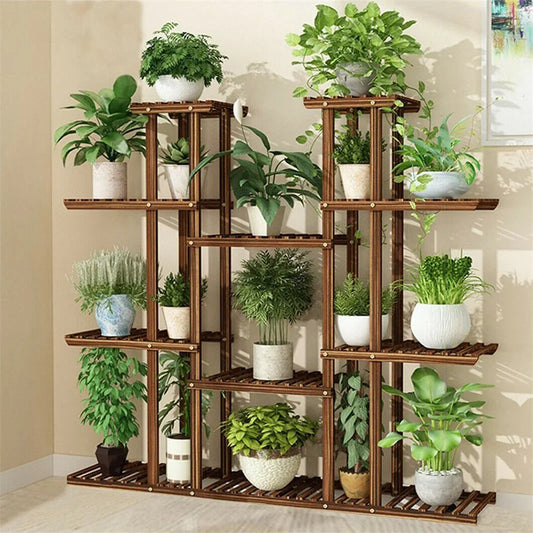
11-Tier Carbonized Wood Plant Stand – Extra-Wide Pot Display for Indoor & Outdoor Spaces
Regular price $159.00 AUDRegular priceUnit price per -
3/4-Tier Foldable Metal Ladder Plant Stand – Indoor/Outdoor Flower Display Shelf for Home, Garden, and Patio
Regular price From $69.00 AUDRegular priceUnit price per -
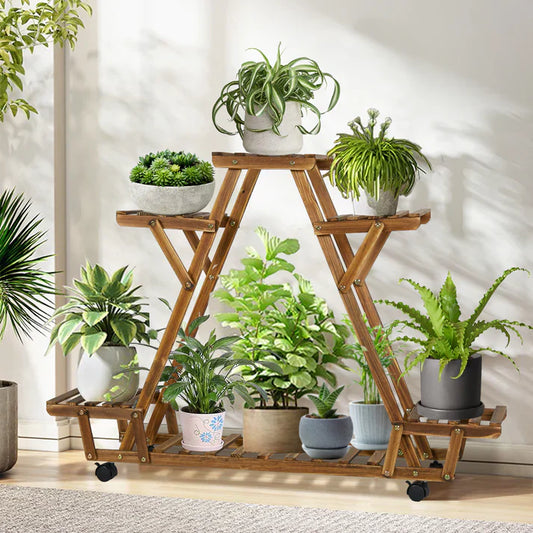
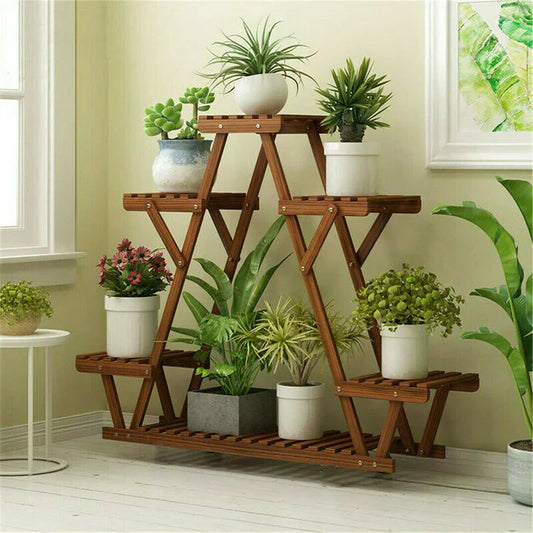
6 Tiered Carbonised Triangle Corner Plant Rack Wooden Plant Stand, Flower Pots Holder - Elevate Garden Space
Regular price From $79.00 AUDRegular priceUnit price per -
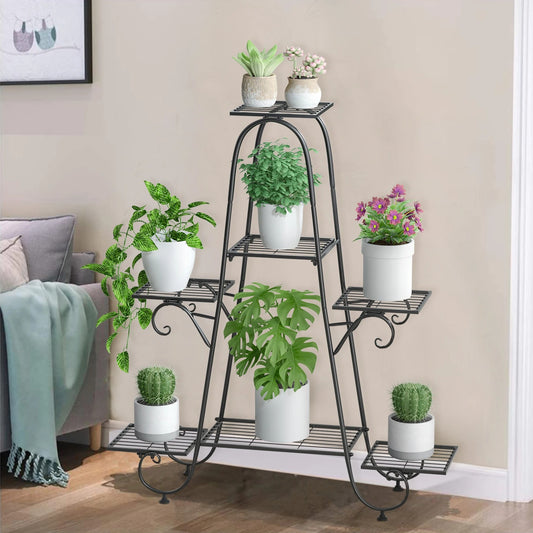
7 Tiers Metal Plant Stand Indoor Outdoor Flower Pot Display Rack Garden Shelf Stand Holder
Regular price $99.00 AUDRegular priceUnit price per -
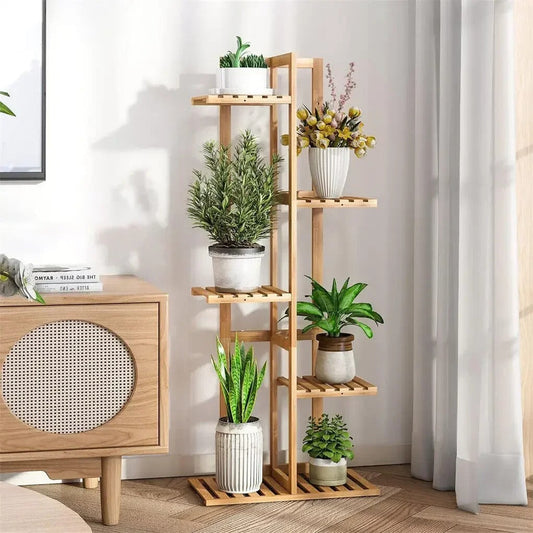
5 / 6 Tier Tall Bamboo Corner Plant Stand – Indoor & Outdoor Flower Display Rack
Regular price From $69.00 AUDRegular priceUnit price per -
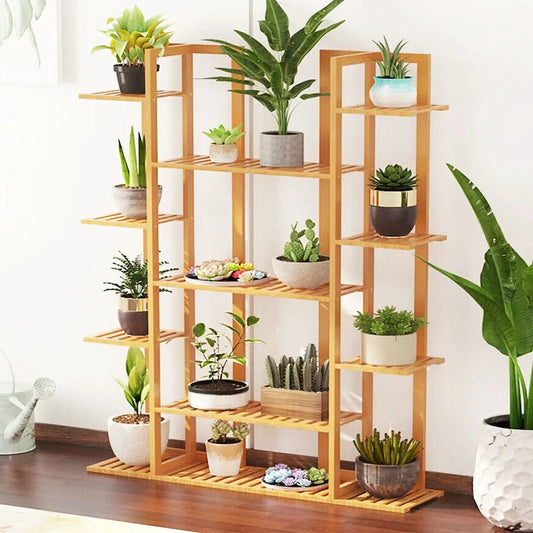
9-Tier Extra Large Bamboo Plant Stand – Multi-Level Flowerpot Display Rack for Up to 17 Pots (Indoor & Outdoor)
Regular price $119.00 AUDRegular priceUnit price per$179.00 AUDSale price $119.00 AUDSale
















Choose an Outdoor Plant Stand for Your Actual Conditions
An outdoor plant stand makes a balcony, patio or veranda easier to use by grouping pots above floor level. The important distinction is not simply “indoor” versus “outdoor”: a roofed balcony, an open courtyard and a windy coastal deck expose a stand to very different amounts of water, sun and movement. Begin with the position, then choose a design whose individual listing supports that use.
This collection includes compact pot holders, multi-tier metal displays, bamboo and timber shelves, and movable stands. Some are best for covered areas; do not assume every item here can be left in rain or full sun. Check each product's materials, finish, dimensions, stated load limit and care instructions before ordering.
Match the Stand to the Space
| Location or need | Useful format | Check before buying |
|---|---|---|
| Small, covered balcony | Narrow tiered or folding stand | Footprint, open door clearance, shelf depth and wind exposure |
| Covered patio or veranda | Wider multi-pot shelf or grouped stands | Watering access, pot spacing and floor drainage |
| Several small pots | Tiered rack | Usable area and load limit of each level—not only the total height |
| One large, heavy pot | Low, broad-base holder | Filled pot weight, top size and stability on the actual surface |
| Uncovered or coastal position | Only a product explicitly suitable for those conditions | Coating, moisture and salt exposure, maintenance guidance |
Compare Real Formats in This Collection
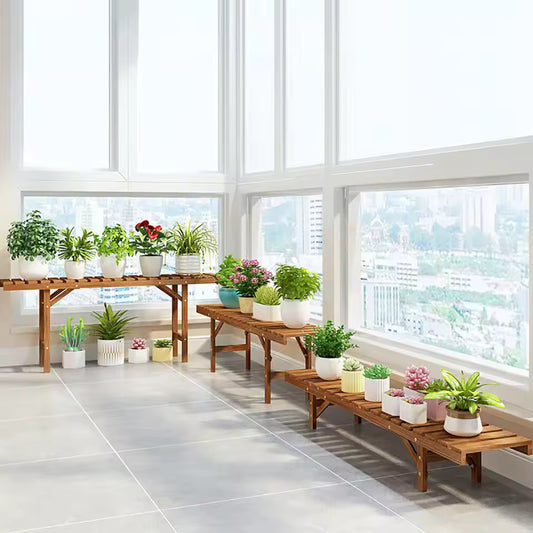
For a flexible arrangement under cover, the three-piece pine stand set can be spaced out rather than treated as one fixed shelf. The folding three-tier bamboo stand comes in 70 cm and 100 cm widths, so measure both the available run of wall and the space needed to fold or move it. For a different configuration, the four-layer rolling metal stand is intended to hold six pots; check that the wheels and filled load suit your paving and that the stand will remain secure in its chosen position.
These examples show why tier count alone is a poor comparison. A six-pot rolling stand, a folding ladder and a set of separate holders solve different space problems. Compare usable shelf measurements, pot access and stability before choosing a style.
Covered Does Not Mean Weatherproof
Metal, timber and bamboo can all appear in an outdoor collection, but the material name does not establish weather resistance. A metal frame may have a protective coating, while another product may have wood-based shelves that need a dry position. Timber and bamboo can also change with prolonged moisture and strong sunlight. Follow the specific listing and care guidance; avoid claiming rustproof or waterproof performance unless it is explicitly stated for that product.
If you are selecting by material rather than placement, compare the dedicated metal plant stands or wooden and bamboo plant stands. Those ranges include products for different settings, so still verify outdoor suitability individually.
Measure Pots, Clearances and Filled Weight
Measure the stand's intended floor area, the widest point of each pot and saucer, and the foliage around it. For multi-tier units, check clearance above every shelf as well as the distance between pots. Leave room to water, prune and remove plants without lifting a heavy pot over a railing or another plant.
Capacity refers to the weight of the complete display. Soil, water and a ceramic pot can make a planted container much heavier than its empty pot. Observe each shelf's stated load limit and place heavier pots low where the design allows. A shelf that fits a pot physically may still be unsuitable for its filled weight.
Balcony Wind, Drainage and Surface Safety
Put the stand on a firm, level surface with every foot or wheel in secure contact. Avoid exposed balcony edges, blocked doors, drainage outlets and required access paths. A tall display is more vulnerable to wind and uneven loading; use supplied anchoring or anti-tip guidance when applicable. For a compact corner position, compare corner plant stands, but do not assume their narrow footprint makes them suitable for an exposed edge.
Use saucers where appropriate, empty standing water and clear leaves or compost from drains. On timber decking, protect the surface without trapping moisture underneath. Recheck joints, coating and feet after assembly and periodically after strong weather. Move a stand to shelter during severe conditions when it is safe to do so.
When an Indoor Stand Is the Better Choice
If the display will live in a lounge room or beside an interior window, start with indoor plant stands instead. Indoor selection puts more emphasis on floor protection, furniture proportions and access to suitable light; outdoor placement makes exposure, drainage and wind more important. For the broadest comparison across both settings, browse all plant stands.
Outdoor Plant Stand FAQs
Can an outdoor plant stand stay outside all year?
Only leave it outside permanently when the product information confirms that its material, finish and construction are suitable for the intended conditions. Outdoor products should not automatically be treated as waterproof, weatherproof or rustproof.
What type of plant stand is best for a small balcony?
A compact tiered or vertical stand can display several pots while using less floor area. Measure the footprint, allow space for foliage and keep doors, drainage points and walkways clear.
How can I help prevent a metal plant stand from rusting?
Follow the product’s care instructions, remove standing water and dirt, inspect the finish regularly and address surface damage where appropriate. Keeping the stand under cover may reduce exposure, but rust resistance should only be claimed when confirmed by the product specifications.
Can an outdoor plant stand hold heavy pots?
Use a heavy pot only when its complete filled weight is within the product’s stated capacity. Check the shelf dimensions, base width and stability, and place heavier pots on lower levels when the design allows.
Is wood or metal better for an outdoor plant stand?
Neither material is automatically better for every outdoor setting. Compare the product’s intended placement, finish, care requirements, capacity and exposure limits. Select the design whose specifications match your balcony, patio or covered area.
How do I protect a deck or patio underneath a plant stand?
Use suitable saucers, remove excess water and keep drainage paths clear. Avoid trapping moisture against timber or allowing the stand’s feet to remain in pooled water, and use appropriate surface protection where required.
Are tiered outdoor plant stands suitable for multiple pots?
Yes, when the pot dimensions and combined filled weight are within the stand’s stated limits. Check each shelf’s usable area and vertical clearance, distribute weight evenly and keep heavier pots on lower levels where suitable.