
Key takeaways
Browse Plant Stands Australia for indoor, outdoor, wooden, metal, tall and corner options.
- Coastal Australian conditions require plant stand materials that can tolerate salt air, humidity, and strong sun.
- Metal and treated timber are the most practical options when chosen and maintained correctly.
- Design features like airflow, drainage, and stability are as important as material choice.
- Not all outdoor plant stands perform equally near the coast, even if they look similar.
- Selecting the right material upfront can reduce maintenance and extend product lifespan.
Living near the coast in Australia comes with clear benefits. Fresh air, natural light, and outdoor living are part of everyday life for many households. However, coastal conditions also place extra demands on outdoor furniture and decor. Salt-laden air, humidity, and intense sunlight can quickly affect materials that are not designed for these environments.
Atcompare pieces around scale, placement and purpose, we often help customers choose outdoor plant stands that suit coastal settings. The right material choice makes a noticeable difference in how a plant stand looks and performs over time. This guide focuses on the most suitable outdoor plant stand materials for coastal areas in Australia, with practical considerations drawn from real outdoor use.
Why coastal environments are different
Coastal climates expose outdoor furniture to more than just rain and sun. Salt particles in the air can accelerate corrosion in metals and break down finishes more quickly. High humidity can affect timber, while strong UV exposure can cause fading and surface wear.
Outdoor plant stands are particularly exposed because they often hold moisture from watering and sit close to the ground. Choosing materials that can cope with these conditions helps protect both your plants and your outdoor space.
Before selecting a plant stand, it helps to consider how exposed the area is. A covered balcony near the ocean presents different challenges than an open garden or patio facing direct sea winds.
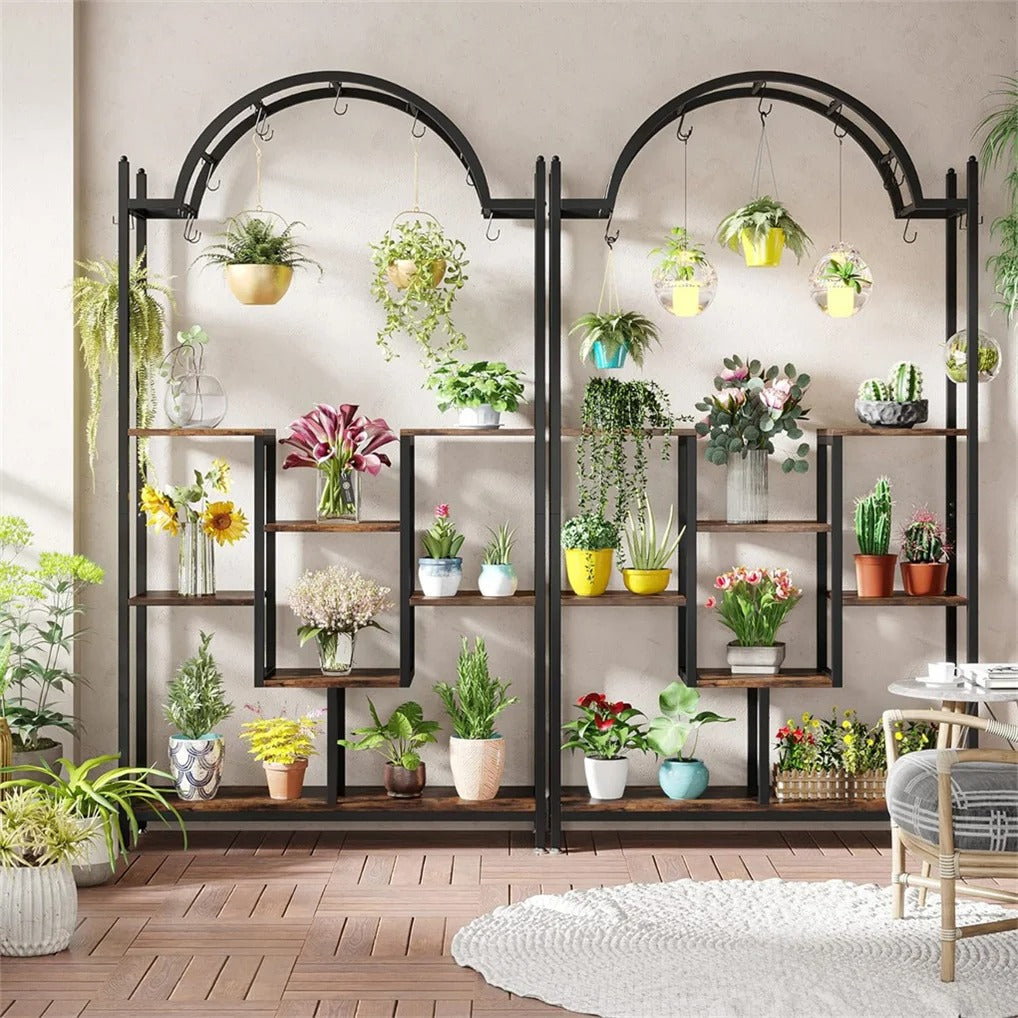
Metal plant stands for coastal durability
Metal is one of the most popular choices for coastal outdoor plant stands, largely because of its strength and resistance when properly treated.
Powder-coated and treated metal
Not all metal is suitable for coastal use. Well-finished metal plant stands typically feature protective coatings that reduce exposure to moisture and salt. These finishes help slow corrosion and make routine cleaning easier.
Ourcompare ways to use vertical space around greenery includes designs suited to outdoor use where durability is a priority. Slim metal frames are also practical for balconies, where space is limited but stability is still required.
Metal plant stands tend to hold their shape well, even when supporting heavier pots. This makes them a reliable option for coastal homes with fluctuating weather conditions.
Design considerations for metal stands
In coastal areas, open-frame designs perform better than enclosed ones. Airflow helps reduce moisture buildup, which can affect finishes over time. Raised feet also prevent prolonged contact with wet surfaces.
A product like thecheck whether the structure suits indoor or sheltered use demonstrates how vertical design can maximise space while maintaining airflow and stability.
Timber plant stands in coastal settings
Wooden plant stands remain popular even in coastal regions, mainly due to their natural appearance and ability to blend with outdoor greenery.
Choosing suitable timber
Not all timber performs equally outdoors. Plant stands designed for outdoor or mixed use often use treated timber or construction methods that allow for expansion and airflow. Raised designs reduce direct contact with water, which is especially important in humid coastal conditions.
Ourcompare practical ways to organise potted plants includes designs that work well in sheltered coastal areas, such as covered balconies or patios. When used as intended and maintained appropriately, timber can remain functional and visually appealing.
Maintenance expectations for timber
Wooden plant stands near the coast generally require more attention than metal alternatives. Simple steps like avoiding pooled water, cleaning salt residue, and checking joints periodically can help extend lifespan.
We share more detailed care guidance in our article on maintaining wooden plant stands in humid or rainy weather, which is especially relevant for coastal homes.
A design such as thecompare the design with your preferred plant grouping offers vertical spacing that supports airflow and reduces moisture retention.
Bamboo as a lightweight alternative
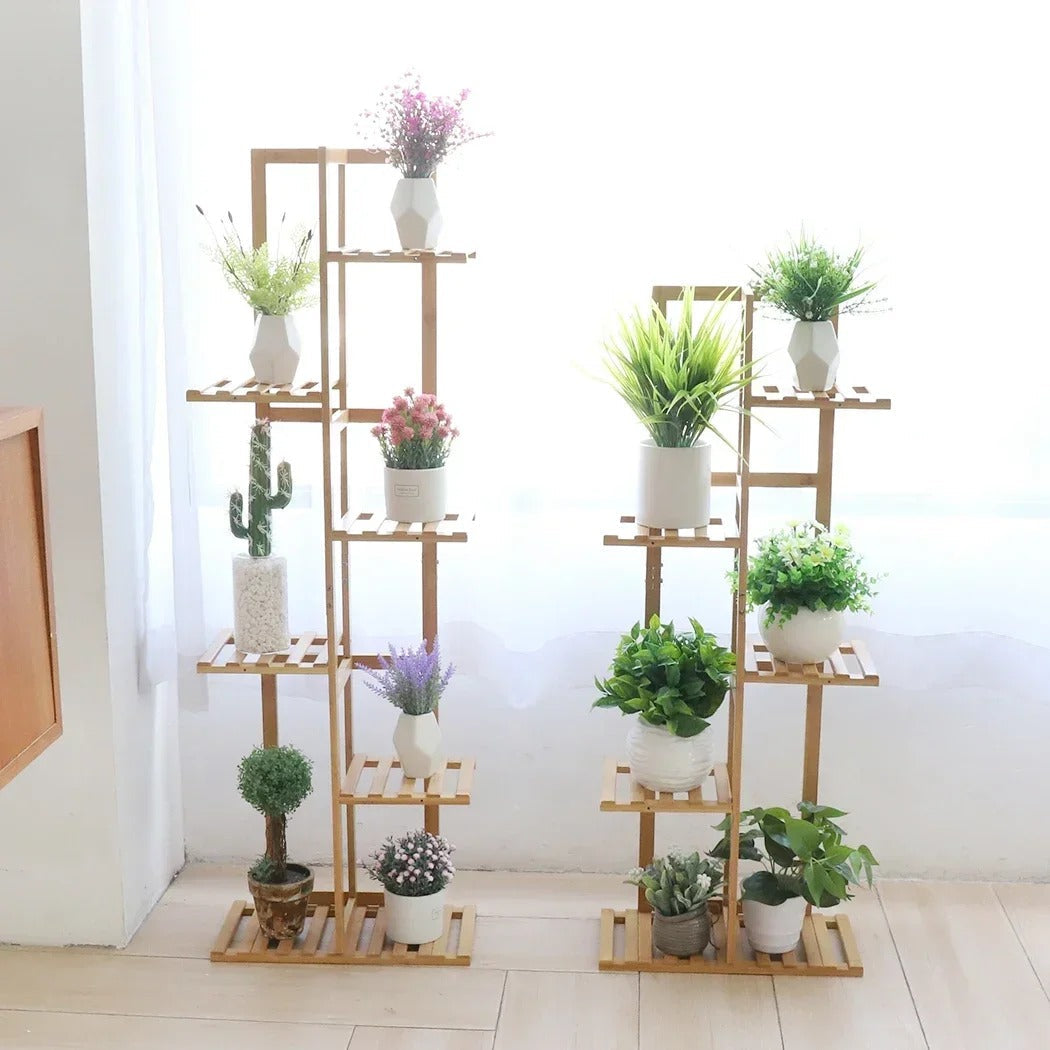
Bamboo is often used in plant stand design due to its light weight and natural appearance. In coastal areas, bamboo can work well in covered outdoor spaces where exposure to rain and salt spray is limited.
Bamboo plant stands are easy to move and suit balconies or sheltered patios. However, they are generally better suited to areas with some protection rather than fully exposed gardens.
A product like thecompare the available levels with your planned display works best when placed under cover and cleaned regularly to remove salt buildup.
Structural features that matter near the coast
Material choice alone is not enough. Structural design plays a major role in how well a plant stand performs outdoors.
Drainage and airflow
Coastal humidity means water evaporation can be slower. Plant stands with slatted shelves, open frames, or ladder-style designs allow moisture to escape more easily. This helps protect both the plant stand and the pots it supports.
Stability in windy conditions
Coastal areas can experience strong winds. Wider bases, balanced weight distribution, and placing heavier pots on lower levels can help prevent tipping. Taller stands should be positioned in sheltered locations whenever possible.
Our guide on what to consider when choosing a tall plant stand explains how height and balance affect long-term stability.
Matching materials to your coastal space
Balconies and apartments
For apartments near the coast, metal or bamboo plant stands often work best. They are lighter, easier to clean, and suit compact layouts. Vertical designs help maximise greenery without taking up too much floor space.
If space is limited, our article on plant stand ideas for smaller outdoor areas offers practical styling guidance.
Gardens and open patios
In larger outdoor areas, heavier metal or treated timber plant stands can act as visual anchors. These spaces allow for wider bases and larger pots, which help with stability in exposed conditions.
Consistency in materials across your outdoor furniture helps create a cohesive look, even when mixing metal and timber elements.
Long-term value and maintenance planning
Coastal environments are demanding, but the right plant stand materials can reduce maintenance over time. Metal options generally require less ongoing care, while timber offers warmth and flexibility with some additional upkeep.
At Metro Elegance, we focus on offering plant stands that balance durability, design, and practical use. By selecting materials suited to coastal conditions, you can enjoy outdoor greenery without frequent replacements or repairs.
If you would like help choosing outdoor plant stands for a coastal setting, our team is happy to assist. Contact us to discuss options that suit your location, space, and lifestyle.
FAQs
What is the most suitable material for outdoor plant stands near the coast?
Metal with protective finishes is commonly preferred due to its resistance to humidity and salt exposure, though treated timber can also work in sheltered areas.
Can wooden plant stands be used in coastal areas?
Yes, wooden plant stands can be used in coastal areas when placed in covered locations and maintained properly to manage moisture and salt exposure.
Do bamboo plant stands work outdoors near the ocean?
Bamboo can be suitable for covered outdoor spaces near the coast but is generally not recommended for fully exposed areas.
How do I protect metal plant stands from salt air?
Regular cleaning to remove salt residue and placing stands in areas with good airflow can help maintain finishes over time.
Are multi-tier plant stands stable in coastal conditions?
Multi-tier plant stands can be stable if designed with balanced weight distribution and placed in sheltered locations away from strong wind.
How often should outdoor plant stands be maintained near the coast?
Maintenance frequency depends on exposure, but periodic cleaning and inspection are recommended to extend lifespan.
Can I mix different materials in one outdoor space?
Yes, mixing metal and timber plant stands can work well when finishes and proportions are coordinated for a cohesive look.