
Key Takeaways
Compare materials, heights and layouts in our Plant Stands collection.
- Minimalist plant stands work by complementing the plant rather than competing with it - clean lines, restrained colour, and simple forms are the defining characteristics.
- Material choice is central to the minimalist aesthetic: natural timber, matte black metal, and pale or neutral finishes suit contemporary Australian interiors most consistently.
- Single-specimen stands in geometric or ladder formats are the most versatile minimalist option for living rooms and bedrooms.
- Minimalism does not mean sparse - a well-chosen stand in the right position can anchor a room visually without adding clutter.
- explore furniture ideas for practical Australian homes carries a curated range of plant stands suited to contemporary and minimalist interior styles, with free shipping across Australia.
There is a particular kind of frustration that comes from buying a plant stand that overpowers the plant it is supposed to display. Ornate ironwork, bright finishes, or overly elaborate shapes can turn what should be a quiet, considered addition to a room into something that draws attention to itself rather than to the greenery it holds.
Minimalist plant stands solve this problem by getting out of the way. Their job is to elevate the plant - literally and visually - while adding as little visual noise as possible to the space around them. In a contemporary Australian interior, where clean lines, natural materials, and deliberate restraint tend to define the aesthetic, this approach fits naturally.
The challenge is that "minimalist" has become a word applied loosely to almost any product with a thin frame or a neutral colour. Not everything labelled minimalist actually functions that way in a real room. This guide looks at what minimalism in a plant stand actually means in practice, which design characteristics to look for, and how to choose a stand that works genuinely well in a contemporary home.
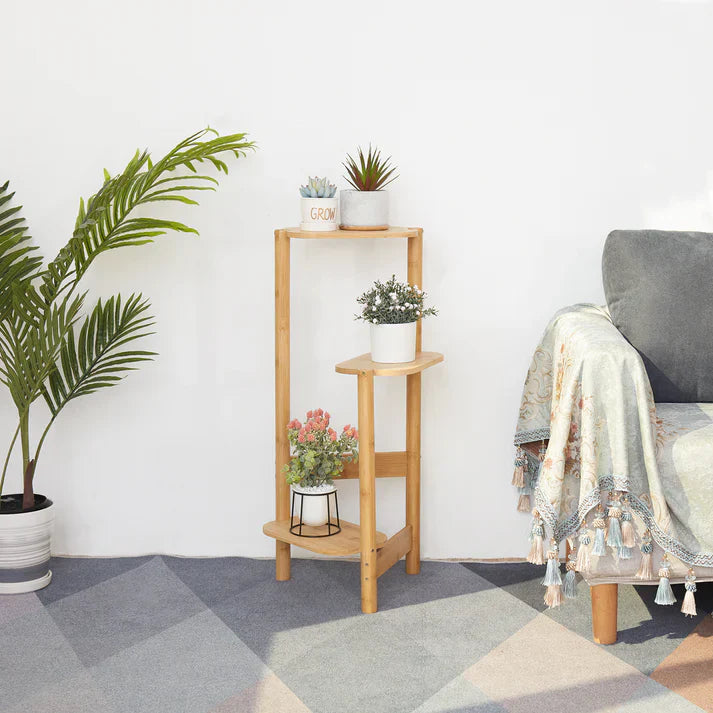
What Makes a Plant Stand Minimalist in Practice
Minimalism as a design principle is about reduction - removing anything that does not serve a purpose, so that what remains is clean, coherent, and intentional. In furniture, this translates to simple silhouettes, restrained ornamentation, honest use of materials, and a palette that does not demand attention.
For a plant stand, this means a few specific things.
The frame or structure should have clean lines without decorative flourishes. Turned legs, ornate scrollwork, and decorative cutouts are the opposite of minimalist - they add visual detail that pulls attention away from the plant. A straight-legged timber stand, a simple metal tube frame, or a ladder-format shelf with flat horizontal elements all qualify.
The finish should be consistent and restrained. Matte black, natural timber grain, white or off-white, and warm grey are all finishes that sit quietly in a contemporary room. High-gloss surfaces, mixed colour combinations, and heavily patterned materials tend to read as decorative objects in their own right rather than as neutral display structures.
The overall form should be readable at a glance. Minimalist stands have a silhouette you can understand immediately - a triangle, a ladder, a column, a simple shelf. Complicated or irregular shapes require more visual processing and tend to read as furniture rather than backdrop.
None of this means a minimalist plant stand is boring. Done well, it is confident and precise. The restraint is the point.
Materials That Work in Contemporary Australian Interiors
Material choice is where the minimalist approach becomes concrete, and where many stands that look the part in photographs fail to deliver in an actual room.
Natural timber with a clear or matte finish is the most versatile material for contemporary Australian interiors. It brings warmth without colour, texture without pattern, and a tactile quality that suits both Japandi-inspired spaces and more relaxed coastal or Hamptons-style rooms. The grain of the timber does the visual work, which means the stand contributes something without competing.
Solid pine and bamboo in simple, flat-cut formats are the most common expressions of this in the mid-range. They have the right visual weight for most interior scales and age well with basic care. A bamboo or pine ladder stand, properly built with flat rungs and straight verticals, reads as genuinely minimalist in a contemporary room in a way that thin-dowel decorative bamboo does not.
Matte black powder-coated metal has become one of the defining finishes of contemporary Australian interior design over the past decade. It appears across tapware, furniture frames, light fittings, and kitchen hardware in modern homes, which means a matte black plant stand integrates naturally into this visual language rather than introducing a new element. The finish absorbs rather than reflects light, which keeps the stand visually recessive even when it is structurally present.
White and off-white timber or metal suits contemporary interiors with a lighter, airier palette - coastal homes, Scandinavian-influenced spaces, and rooms with significant natural light. A white stand in a bright room reads as almost invisible behind the plant, which is exactly the minimalist intention.
What to avoid: high-gloss lacquer, obviously artificial grain printed on MDF, mixed metal and plastic combinations, and bright or contrasting colours. These choices may look clean in isolation but they introduce visual noise that a genuinely minimalist stand should eliminate.
Stand Formats That Suit a Minimalist Aesthetic
Beyond material, the structural format of the stand determines how it reads in a room. Some shapes are inherently more minimalist than others.
Single-specimen elevated stands - a simple platform or pot cradle on a straight-legged frame - are the purest minimalist format. They bring one plant to a specific height with nothing extraneous. In a living room or bedroom corner, a single elevated stand holding a sculptural plant like a rubber tree or a fiddle leaf fig creates a composition that is complete without needing anything added to it.
Ladder-format stands are a strong choice for contemporary interiors because the ladder silhouette is universally legible and structurally honest. The diagonal lean of the ladder adds a slight dynamic quality without introducing decorative complexity. Flat timber rungs in a straight parallel frame read as modern and considered.
Low, wide platforms suit contemporary rooms where the emphasis is on horizontal rather than vertical composition. A low stand holding a wide, sprawling plant like a monstera or a large pothos draws the eye outward rather than upward and integrates into the lower furniture plane of the room.
Multi-tier designs with a clean profile can work in a minimalist context if the overall silhouette remains simple and the shelving elements are flat rather than decoratively shaped. A corner triangular stand in natural timber, for example, fills a corner without introducing visual complexity - the form is geometric and the structure is readable.
Placement Strategies for Contemporary Interiors
Where you put a minimalist plant stand matters as much as which stand you choose. In a contemporary interior, placement is one of the primary tools for creating the kind of intentional, considered look that the style depends on.
Against a plain wall is the most effective backdrop for a minimalist stand and plant combination. A pale or neutral wall allows the silhouette of the stand and the form of the plant to read clearly against an uninterrupted surface. Placing a stand against a wall with strong pattern, heavily textured wallcovering, or an already-busy shelving arrangement risks losing the effect entirely.
In a corner with clear surrounding space creates a sense of deliberate placement. The corner setting frames the arrangement naturally and keeps it contained without requiring any additional styling. This works particularly well with taller stands or ladder formats where the vertical dimension of the arrangement benefits from being anchored in a defined space.
As a counterpoint to hard furnishings is a compositional approach rather than a fixed position. A plant stand beside a sofa with clean angular lines, next to a rectangular coffee table, or adjacent to a structured bookcase introduces organic texture - the plant's natural form - against the geometric quality of the furniture. The stand acts as the bridge between the two.
For more detailed ideas on how to use plant stands effectively in different rooms, our post on plant stand ideas for corners, hallways, and compact spaces covers placement strategies that translate well across interior styles.
Minimalist Plant Stand Picks from Metro Elegance
When we look at our range with contemporary and minimalist interiors specifically in mind, several designs stand out for their clean execution and genuine versatility.
Thecheck placement needs before adding it to the room are among the most direct expressions of the minimalist approach in our range. The white finish keeps the stand visually neutral, the simple three-leg form is structurally honest, and the pair format allows for a composed arrangement of two plants at slightly different heights - a subtle layering that adds depth without complexity.
For those who prefer natural timber in a ladder format, thecheck whether the tiers suit the pots you already own delivers a clean, contemporary silhouette with the practical benefit of being foldable and repositionable. The ladder format is one of the most consistently minimalist plant stand shapes, and the natural timber finish suits the warm, pared-back palette that characterises many contemporary Australian interiors.
For a matte black metal option that suits industrial and modern contemporary spaces, thereview whether the arrangement suits changing plant heights brings the clean geometry of a ladder frame in a powder-coated metal finish. Its foldable design and indoor-outdoor versatility make it practical across a range of settings, and the matte black colour integrates with the hardware language of many contemporary Australian homes.
Our broaderfind display options for potted greenery includes a range of designs suited to contemporary interiors at different price points, and ourcompare supports for a layered plant display is worth browsing specifically if natural material finishes are the priority.
Pairing Plants with Minimalist Stands
A minimalist stand works hardest when the plant it holds has its own strong visual form. Sculptural plants - those with a defined shape, an interesting stem structure, or dramatic foliage - reward the simplicity of the stand by giving the eye somewhere clear to land.
Fiddle leaf figs, rubber trees, monsteras, and bird of paradise plants all have the kind of structured, architecturally interesting growth that pairs well with a simple stand. The plant becomes the focal point and the stand becomes its quiet frame.
Trailing plants like pothos, string of pearls, or heartleaf philodendron work particularly well on elevated single-specimen stands where the trailing growth can cascade downward freely. The movement of the trailing foliage contrasts gently with the stillness of the stand and creates a composition that feels alive without being busy.
Where minimalist stands can be underserved is with small, compact, visually busy plants where the plant itself does not have enough presence to justify the stand's quiet confidence. A small succulent on a tall, clean-lined stand can look like the wrong scale rather than a considered choice.
Our post on how to style indoor plant stands for a balanced, green interior covers plant and stand pairing in more depth, with practical guidance on scale, proportion, and compositional balance.
A Note on Minimalism and the Australian Home
Contemporary Australian interior design has developed its own particular expression of minimalism - one that is warmer and more relaxed than the severe European modernism that the word sometimes evokes. Australian minimalism tends to favour natural materials over stark synthetics, warm neutrals over cold whites, and a sense of ease rather than rigidity.
This means that a minimalist plant stand in an Australian home does not need to be austere to work. A solid bamboo stand with natural grain and flat rungs, a warm-toned timber ladder shelf, or a simple solid pine elevated stand all qualify as minimalist in this context while still feeling genuinely liveable.
The through-line in all of these is restraint. The stand does its job without asking to be noticed. The plant is the point.
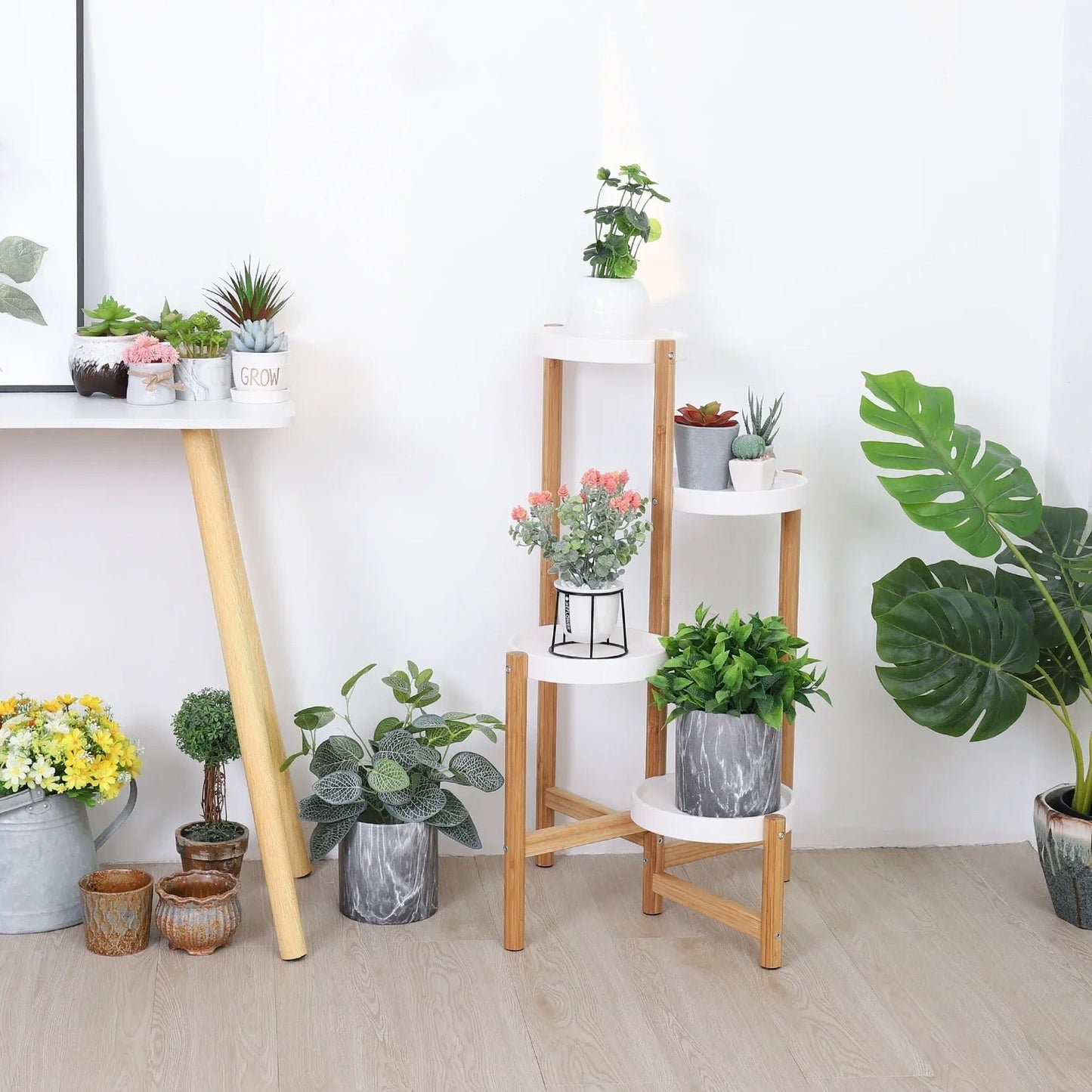
Ready to Find a Stand That Suits Your Space
At Metro Elegance, we take the pairing of design and practicality seriously. Our plant stand range is chosen with real rooms in mind - not just styled photography - and covers a range of materials, formats, and price points suited to contemporary Australian homes.
If you are looking for guidance on which stand suits your specific space, plant, or interior style, we are happy to help. Get in touch through our contact page and we will give you a considered recommendation.
Frequently Asked Questions
What makes a plant stand minimalist?
A minimalist plant stand has clean lines, a simple and readable silhouette, restrained ornamentation, and a neutral or natural finish. The stand should visually recede and allow the plant to be the focal point rather than drawing attention to itself through decorative detail.
What material is best for a minimalist plant stand in a contemporary home?
Natural timber with a clear or matte finish, matte black powder-coated metal, and white or off-white finishes are the most consistent choices for contemporary Australian interiors. These materials integrate quietly with the visual language of modern homes rather than introducing competing elements.
What plant stand shapes are most minimalist?
Ladder formats, straight-legged single-specimen platforms, and simple geometric tiered designs are the most minimalist shapes. Ornate ironwork, turned legs, and decorative cutouts are the opposite of minimalist and tend to read as decorative furniture rather than quiet display structures.
Do minimalist plant stands work in small rooms?
Yes, and they are often particularly effective in small rooms because they add a design element without visual clutter. A single-specimen stand in a corner of a small room creates a deliberate focal point without competing with other elements in a constrained space.
What plants work best with minimalist stands?
Sculptural plants with strong visual form - fiddle leaf figs, rubber trees, monsteras, and bird of paradise plants - work very well with minimalist stands. Trailing plants on elevated stands also create effective compositions. Small, compact, or visually busy plants may not have enough presence to justify a stand's quiet confidence at scale.
Can a multi-tier stand be minimalist?
Yes, if the overall silhouette is clean and geometric rather than elaborate. A triangular corner stand in natural timber or a flat-runged ladder shelf in matte black metal can both function as minimalist designs even with multiple tiers, provided the form is consistent and restrained.
How do I style a minimalist plant stand without it looking too bare?
Choose a plant with a strong visual form that fills the stand's platform confidently. Allow clear space around the arrangement rather than adding accessories to fill gaps. In a minimalist context, negative space is intentional rather than incomplete - the stand and plant together should feel like a finished composition without requiring additional objects around them.