
Key Takeaways
Find compact, tiered and statement options in our Plant Stands for Australian homes.
- There are genuinely well-built plant stands available under $100 in Australia - the key is knowing which materials and construction methods to look for at this price point.
- Bamboo and solid pine timber are the most reliable materials in the sub-$100 range, offering real structural integrity without the premium price of hardwood or speciality metal.
- Multi-tier bamboo and timber stands in this price range can comfortably hold small to medium-weight pots and suit a wide range of interior styles.
- Free shipping makes a meaningful difference to total cost - a $75 stand with free delivery represents better value than a $60 stand with a $25 freight charge.
- compare options for a practical home refresh stocks a solid range of plant stands priced under $100, all with free Australia-wide shipping included.
The $100 mark is a real threshold in the Australian plant stand market. Below it, the range of available options is wide and the quality gap between the best and worst is significant. Above it, you start entering territory where the construction is generally more consistent but the price increase is not always proportional to the improvement in quality.
Spending thoughtfully under $100 is entirely possible. There are bamboo stands, timber ladder shelves, and solid pine multi-tier displays in this price range that will last years with basic care and look genuinely considered in a well-styled room. But there are also flimsy wire frames and thin MDF shelves that will disappoint within months.
This guide is for anyone who wants to find real value under $100 - not just the cheapest option available, but the option that delivers the best combination of build quality, visual appeal, and practical usefulness for Australian homes.
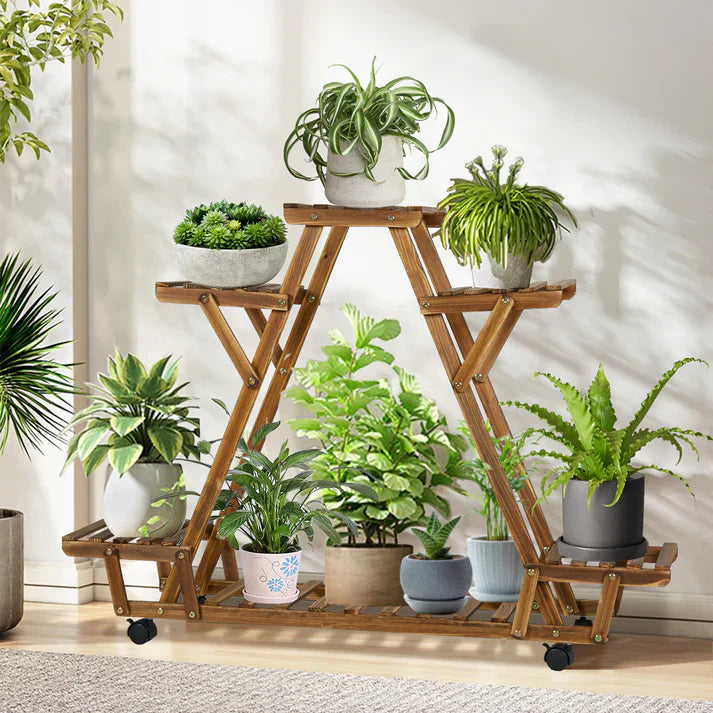
Why the Sub-$100 Market Is Worth Taking Seriously
The instinct to equate lower price with lower quality is understandable in furniture generally, but the plant stand category is one where the price-to-quality relationship is less predictable than in most.
Plant stands are structurally simpler than most furniture. They do not need to support a person's weight, they do not require complex joinery, and they are not subject to the kind of mechanical stress that a chair or a bed frame must handle daily. This means that a well-designed stand made from good-quality bamboo or solid pine can be produced and sold at a lower price point than comparable furniture in other categories, without compromising on what actually matters for the application.
The result is that $100 buys considerably more in plant stands than it does in, say, dining chairs or coffee tables. A solid bamboo multi-tier stand at $79 with free shipping from a reputable Australian retailer is a genuinely good product - not a compromise. Understanding this is the starting point for making a confident purchase decision at this price.
What the sub-$100 range does not reliably deliver is premium finishing, specialty materials like reclaimed hardwood or bespoke metalwork, or very large-format stands designed to hold heavy specimens. If those are requirements, the budget needs to be higher. But for the majority of indoor plant displays in Australian homes - small to medium pots, one to several plants, indoor use in living rooms, bedrooms, or balconies - the under-$100 range is entirely sufficient.
What to Look For at This Price Point
Not every stand under $100 is worth buying. A few specific things to look for help separate the genuinely well-built options from the ones that will disappoint.
Material quality first. At this price point, the most reliable materials are bamboo in multi-layer construction and solid pine timber. Both carry real weight, resist moderate humidity, and age well with basic care. MDF with a printed timber surface is the material to be cautious about - it looks similar in photos but swells and deteriorates in the moisture-adjacent conditions of regular plant watering.
Joint and fixing construction. Look at how the horizontal shelves connect to the vertical supports. Properly fastened joints with metal brackets, wooden dowels, or solid bamboo pins hold up under repeated load far better than basic staple or adhesive connections. If the product description does not mention joinery at all, it is worth asking or looking for close-up imagery.
Shelf platform size. Check that the shelf dimensions accommodate the pot sizes you actually intend to use. A shelf that is too narrow for your pot - particularly on tiered stands where the pot might overhang - creates both a stability risk and a practical inconvenience. Most product listings include shelf dimensions; it is worth checking these against your pot base measurements before purchasing.
Stability of the base. A wide, well-grounded base is the most important structural characteristic for any plant stand. Four-legged frames with broad footprint, ladder-style designs that lean against a wall for additional support, and triangular corner formats with wide base spans are all inherently more stable than narrow-footed single-post designs.
Total delivered price. In Australia, freight costs for bulky items can add $15-$30 to the cost of a stand. A stand listed at $65 with a $25 delivery charge costs $90 delivered. A stand listed at $89 with free nationwide shipping is more economical and also represents better overall value. Always factor in delivery when comparing options.
The Best Materials Under $100 and What They Suit
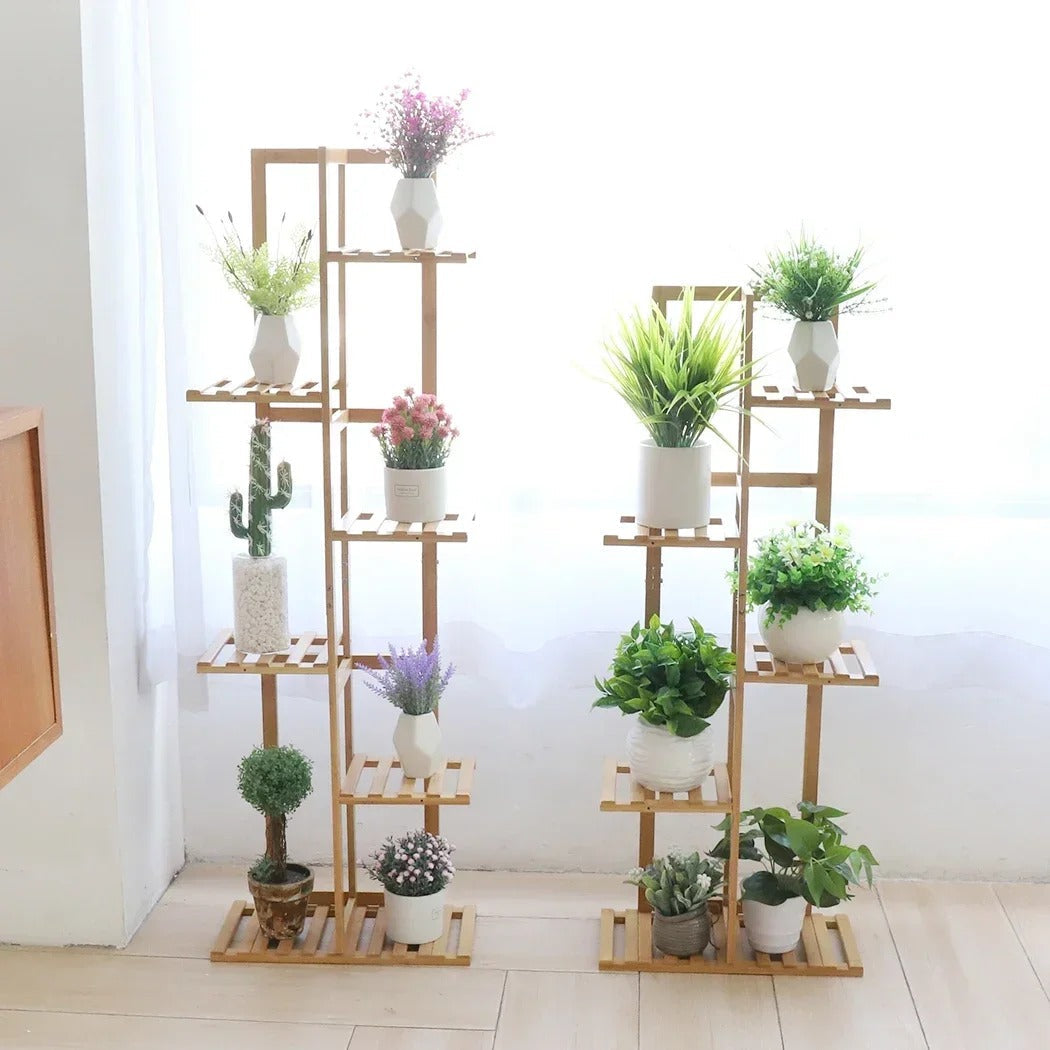
Bamboo is the standout material for plant stands in the sub-$100 range. It is lightweight, visually warm, naturally resistant to moderate moisture, and strong relative to its weight when constructed well. It suits bohemian, Japandi, coastal, and relaxed contemporary interiors and works well in both bright indoor spaces and covered outdoor areas.
Multi-tier bamboo stands in this price range typically offer three to six tiers with shelf platforms sized for small to medium pots. The natural grain variation in bamboo means no two stands look identical, which adds a quality that more processed materials cannot replicate at the same price.
Solid pine brings slightly more structural weight and a warmer, denser aesthetic than bamboo. It handles heavier pots more reliably and tends to feel more substantial in a room. Pine ladder stands and multi-tier displays in the $60-$95 range are among the strongest value propositions in the Australian plant stand market, particularly for living rooms and bedrooms where the stand will be a daily visual presence.
Powder-coated metal at under $100 is available but tends to be at the lighter-gauge end of metal construction. It is suitable for small to medium pots rather than heavy specimens, and it suits modern, industrial, and contemporary interior styles well. The matte black powder-coat finish integrates naturally with the hardware language of many newer Australian homes.
Specific Picks from Metro Elegance Under $100
When we look at our range with the sub-$100 budget in mind, several options stand out for delivering genuine quality and versatility at an accessible price.
Thecheck whether the tiers suit the pots you already own is a strong option for balconies, garden areas, and bright indoor rooms. Three well-proportioned tiers in solid bamboo construction give it enough capacity for a meaningful plant display without overwhelming a compact space. Its outdoor suitability adds genuine versatility for Australian homes where the distinction between indoor and outdoor living is often fluid.
For a corner arrangement that makes the most of an otherwise underused space, the 3-Tier Bamboo Corner Plant Stand delivers a purpose-built corner format in natural bamboo at a price point that makes it accessible for most budgets. The corner footprint is a practical advantage in apartments and smaller rooms where floor space is at a premium.
For those who prefer a ladder-format stand in a natural timber aesthetic, thecompare this option with the dimensions of your plant area offers the clean silhouette of a ladder design in solid bamboo construction. The ladder format is inherently stable when leaned correctly and suits contemporary Australian interiors well, from Japandi-influenced bedrooms to relaxed coastal living rooms.
You can browse the full range of options across timber and bamboo formats in ourplan a layered arrangement without blocking walkways, and for metal options at accessible price points, ourfind display options for potted greenery includes several designs suited to the sub-$100 budget.
Where to Use a Sub-$100 Stand for Maximum Impact
Getting the placement right multiplies the value of any plant stand, regardless of price. A well-positioned $79 stand in the right corner of a room can have more visual impact than an expensive stand placed without thought.
Corners consistently deliver the most impact for the investment. A corner placement frames the stand and plant naturally, provides stability against two walls, and turns a dead zone into a genuine design feature. For smaller bamboo and timber stands under $100, corner placement also helps compensate for any slight visual lightness in the construction by giving the arrangement a sense of containment.
Beside windows with natural light serves the plant's health while also creating a natural compositional relationship between the stand, the plant, and the light source. A tiered bamboo stand beside a large window, holding a mix of plants at different heights, reads as deliberately styled with very little effort.
On balconies and covered outdoor areas is where the outdoor-rated stands in the sub-$100 range particularly shine. Australian balcony living is a genuine cultural practice rather than an occasional use, and a solid bamboo or treated timber stand on a covered balcony extends the indoor aesthetic outdoors in a way that most garden-centre plastic stands cannot match.
For ideas on how to set up a plant display on a balcony or patio without significant investment, our post on balcony plant stand ideas for renters in Australia offers practical, budget-conscious approaches that translate well across different stand types.
Making the Most of a Budget Purchase
A stand under $100 will last longer and look better with a small amount of basic care that takes almost no time.
Always use pot saucers to prevent water pooling on the shelf surfaces. For bamboo and timber stands, a simple felt or rubber pad between the saucer and the shelf adds an additional moisture barrier and protects the surface from scratching when you move pots.
Keep timber and bamboo stands out of direct sustained rainfall if they are not specifically rated for outdoor exposed use. Covered balconies and patios are fine for most of these stands; direct rain exposure will shorten their lifespan significantly.
For stands in high-humidity areas like bathrooms or kitchens, check the construction regularly for any signs of surface swelling or joint loosening. Addressing these early extends the life of the stand considerably.
Our post on the practical benefits of using plant stands for your indoor collection covers some of the reasons why investing even modestly in a proper stand delivers returns in plant health and room aesthetics over time.
A Note on Value at This Price Point
At Metro Elegance, we approach the sub-$100 range with the same criteria we apply across the rest of our range: the stand needs to work properly in a real room, not just photograph well. Every option we stock at this price point has been selected for structural integrity and genuine visual quality, not just to fill a budget category.
Free Australia-wide shipping on every order means the listed price is the total price - no freight surprises at checkout. For plant stands in this category, that is a meaningful part of the value proposition.
If you have a specific space, plant, or budget in mind and want a recommendation before purchasing, we are happy to help. Reach out through our contact page and we will point you toward the option that makes the most sense for your situation.
Frequently Asked Questions
Are plant stands under $100 worth buying in Australia?
Yes, at this price point there are genuinely well-built options in bamboo and solid pine timber that will hold small to medium pots reliably and suit a range of interior styles. The key is looking for solid material construction and proper joinery rather than buying based on price alone.
What is the best material for a plant stand under $100?
Bamboo in multi-layer construction and solid pine timber are the most reliable materials at this price point. Both handle regular indoor use well, carry adequate weight for most plant and pot combinations, and age reasonably with basic care. Avoid thin MDF platforms, which absorb moisture and deteriorate relatively quickly in conditions where regular watering is involved.
How much do plant stands cost in Australia?
Plant stands in Australia range from under $30 for basic single-tier wire or thin bamboo options to over $200 for solid hardwood or premium metal designs. The strongest value for most indoor plant displays sits in the $60-$100 range, where solid bamboo and pine timber stands deliver real build quality without premium pricing.
Do plant stands under $100 come with free shipping in Australia?
This varies by retailer. Metro Elegance offers free Australia-wide shipping on all orders regardless of price, which means the listed price is the delivered price. This is worth factoring in when comparing options across different retailers, as freight costs can add $15-$30 to the total cost elsewhere.
How many plants can a plant stand under $100 hold?
This depends on the format. A single-specimen stand holds one pot. A three-tier stand typically holds three pots of small to medium size. A five or six-tier stand can hold a collection of smaller pots. Check the shelf dimensions against your pot base sizes before purchasing to ensure they fit properly.
Can I use a budget plant stand outdoors in Australia?
Some bamboo and timber stands rated for outdoor use can be used in covered outdoor areas like balconies and patios. They are generally not suitable for direct rain exposure or extended UV without a protective finish. Check the product description specifically for outdoor rating before placing a stand in an exposed outdoor position.
What should I look for when buying a plant stand under $100?
Prioritise solid material construction over decorative finish, check that the shelf platforms are large enough for your pot sizes, look for properly fastened joint connections rather than basic adhesive or staple assembly, and factor in the total delivered price including freight when comparing options across retailers.