
Key Takeaways
See our indoor and outdoor plant stands before choosing a design for your space.
- Durability depends heavily on environment: metal generally outlasts timber in exposed outdoor conditions, while quality timber and bamboo perform reliably indoors for many years.
- Powder-coated steel is the most weather-resistant plant stand material for exposed Australian outdoor environments, particularly in coastal and high-humidity regions.
- Timber and bamboo stands require more proactive maintenance in outdoor settings but can be long-lasting indoors with minimal care.
- Construction quality at the joint level matters as much as material choice when assessing how long a plant stand will actually last.
- Metro Elegance stocks a full range of both metal and wooden plant stands suited to indoor and outdoor use across all Australian climate zones, with free shipping Australia-wide.
When people ask which plant stand material lasts longer - metal or wood - they are usually asking a practical question that deserves a practical answer. Not a brand preference, not an aesthetic opinion, but a genuine assessment of which material will still look and function well in two, three, or five years based on where it is being used and how it is being cared for.
The honest answer is that neither material universally outlasts the other. Durability is a product of material quality, construction method, surface treatment, environment, and maintenance habits. A poorly constructed metal stand in a coastal environment without adequate protective coating will deteriorate faster than a well-sealed bamboo stand sitting in a sheltered living room corner. Context changes everything.
What this guide does is work through those contextual variables honestly, so that at the end you can assess your own specific situation - the room, the environment, the plants, the level of maintenance you are realistically prepared to do - and make a durability-informed decision rather than a guess.
How to Think About Plant Stand Durability
Durability is not a single property. It is actually several properties that combine to determine how a piece performs over time:
Structural integrity - Whether the frame and joints hold their shape and load-bearing capacity over months and years of use.
Surface condition - Whether the outer finish resists scratching, fading, moisture damage, and UV degradation.
Environmental resistance - How well the material handles the specific conditions it is placed in - sun, rain, humidity, salt air.
Maintenance dependency - How much active care the material needs to maintain its structural integrity and surface condition.
Each of these plays out differently for metal and timber in different Australian environments. Working through them systematically gives a clearer picture than a simple "metal lasts longer" or "wood is more durable" claim.
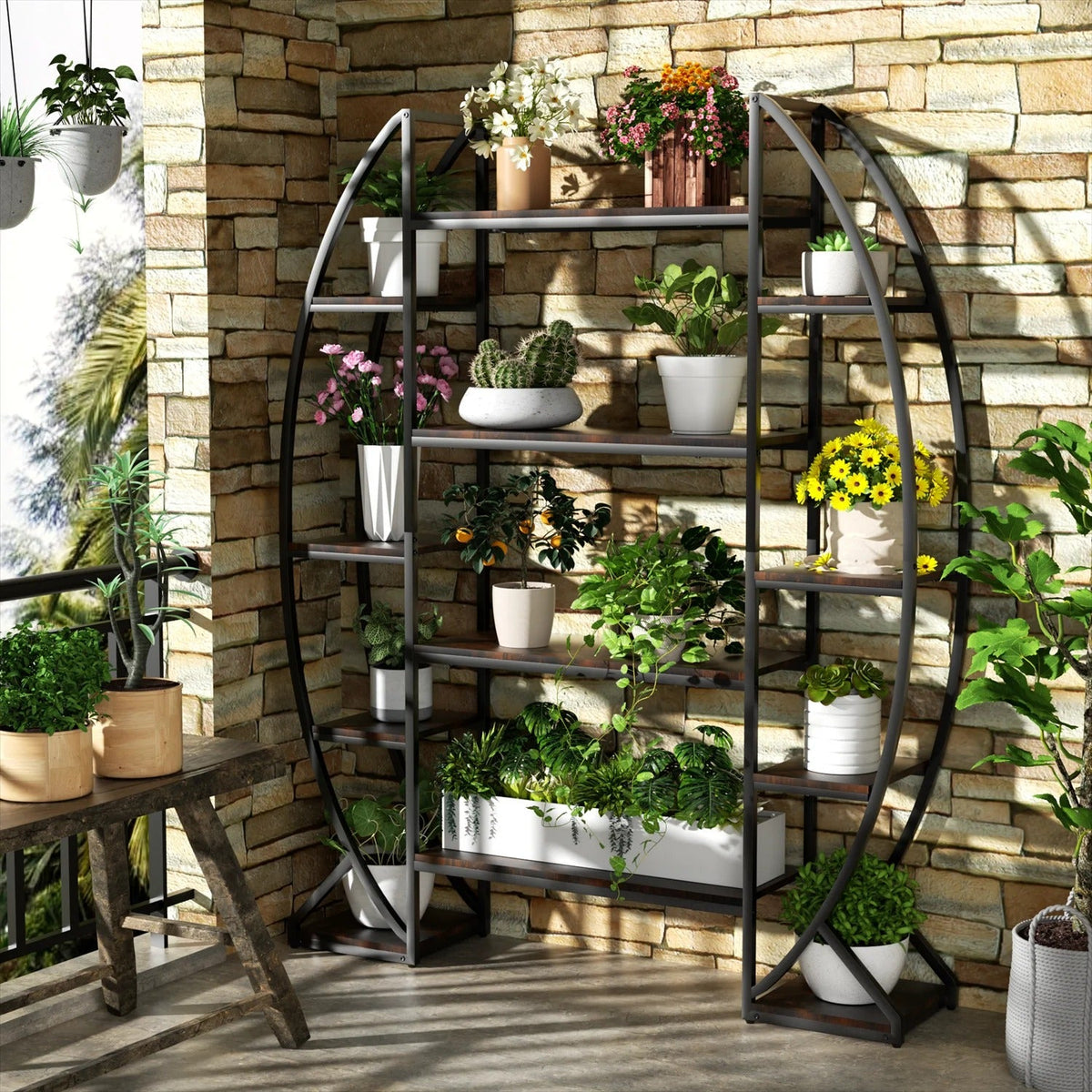
Metal Plant Stands: Durability Strengths and Limitations
What Makes Metal Durable
The primary durability advantage of metal plant stands - specifically powder-coated steel - is their resistance to the environmental factors that degrade most other materials. Powder-coating creates a fused polymer layer over the metal surface that resists moisture penetration, UV degradation, and surface abrasion more effectively than paint or bare metal.
In outdoor environments with direct rain, humidity, and sun exposure - which describes most Australian outdoor spaces for at least part of the year - a powder-coated metal stand will typically hold its structural form and surface appearance longer than an untreated or lightly sealed timber equivalent. It does not warp or swell with moisture changes. It does not crack under UV exposure the way natural materials can. And its dimensional stability means that the joints and connection points stay tight over time, which is where many plant stands ultimately fail regardless of material.
For coastal areas in Queensland, New South Wales, and Western Australia where salt-laden air accelerates corrosion in unprotected metals, powder-coating provides an important protective layer. Even here, it is not impervious - chips and scratches in the coating expose the underlying metal to oxidation - but it significantly extends the serviceable life of the stand compared to bare or lightly finished metal.
Where Metal Has Limitations
Metal is not without vulnerabilities. The main ones are:
Coating damage. The protective qualities of a powder-coated metal stand depend entirely on the integrity of the coating. Once that coating is chipped or scratched - which can happen through normal use, moving the stand, or contact with rough surfaces - the exposed metal beneath is vulnerable to rust. In a dry indoor environment, this may take a long time to become significant. In an outdoor or high-humidity environment, rust can develop quickly once the metal is exposed.
Heat absorption. Metal absorbs and radiates heat in direct sunlight. In the Australian summer, a fully exposed metal plant stand in a position that receives strong afternoon sun can become hot enough that it may affect the pots sitting on it. This is worth considering for outdoor positions with intense direct sun exposure.
Visual weight in smaller spaces. While this is an aesthetic rather than a durability issue, it is worth noting that metal stands can read as heavier and more industrial in smaller rooms - which affects how long people are satisfied with them in specific settings, regardless of physical durability.
Thecompare this option with the dimensions of your plant area from Metro Elegance is a strong example of a metal design built with outdoor durability in mind. Its garden cart format with display shelves is suited to patios and covered outdoor areas where a substantial, weather-resistant stand is the priority.
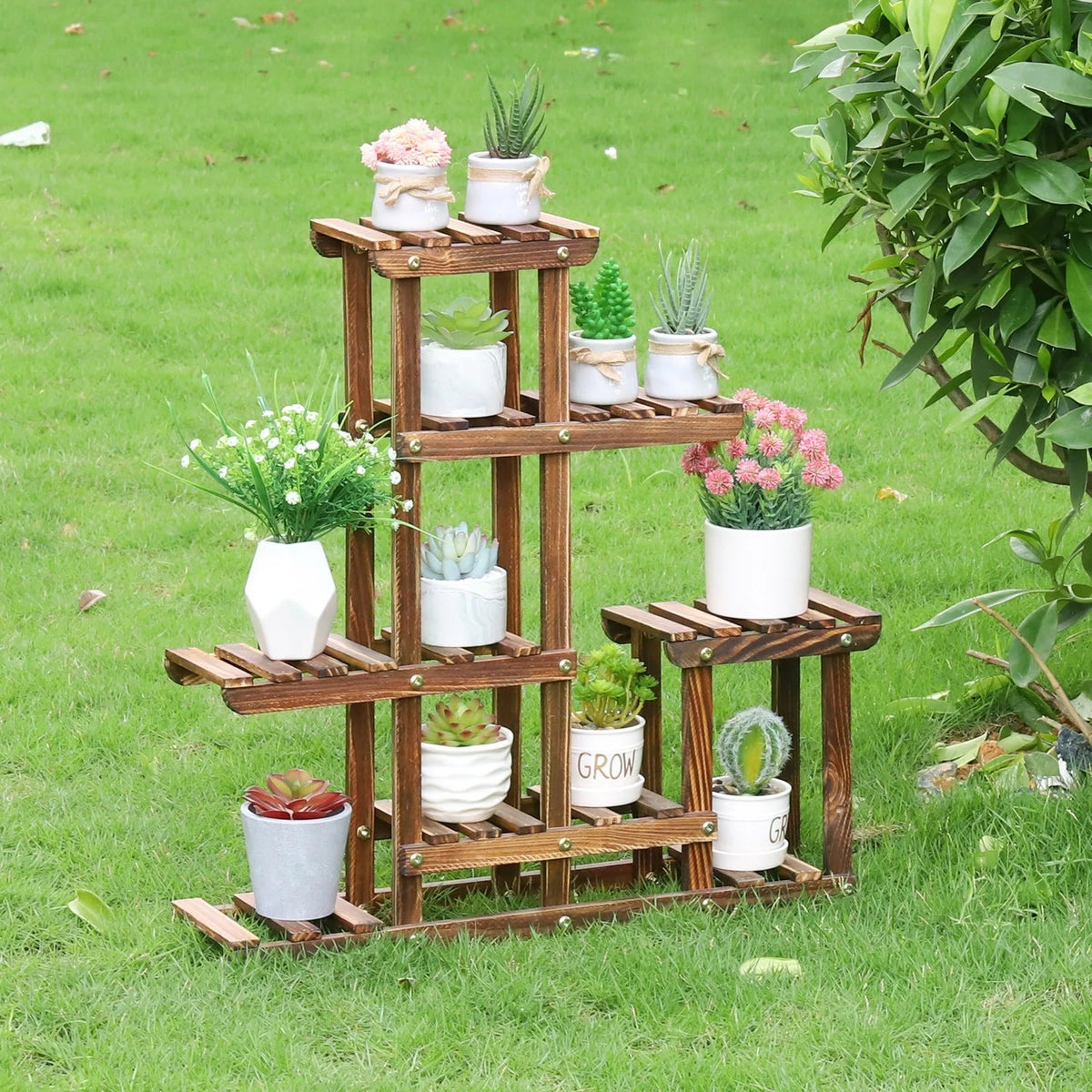
Wooden Plant Stands: Durability Strengths and Limitations
What Makes Timber and Bamboo Durable
For indoor use in standard Australian living conditions, quality timber and bamboo plant stands are genuinely durable materials. In a temperature-regulated interior without sustained moisture exposure, a well-constructed wooden stand can maintain both its structural integrity and surface appearance for many years with minimal maintenance.
Bamboo in particular has properties that make it more resistant to moisture and insect damage than many softwoods - its natural silica layer provides surface protection that untreated pine or similar softwoods do not have. This makes bamboo a reasonable choice for sheltered outdoor positions as well as indoor use, provided it is not exposed to sustained direct rainfall.
Timber stands also tend to age in ways that many people find attractive rather than deteriorating. The natural patination of aged wood - slight shifts in tone, the deepening of grain - can add to the character of the piece over time rather than simply marking it as worn.
Where Timber Has Limitations
The durability limitations of wooden plant stands are most pronounced in outdoor and high-humidity environments.
Moisture and warping. Wood swells and contracts with changes in humidity. In outdoor environments with rain exposure, or in consistently humid indoor spaces like bathrooms, untreated or poorly sealed timber can warp, crack, and lose its structural shape over time. The hollow structure of bamboo makes it particularly vulnerable to deterioration if water penetrates the surface and reaches the interior of the culm.
UV degradation. Sustained UV exposure causes most natural timber surfaces to dry out, fade, and eventually crack or splinter if not UV-treated. In Australia's high UV environment, this is a meaningful consideration for any wooden stand placed in a position with direct sun exposure.
Joint vulnerability. In multi-tier wooden stands, the joints and connection points between tiers are the most structurally critical elements. If these are glued or simply notched without mechanical fastening, they are more vulnerable to failure under sustained load or in humid conditions where the wood swells and contracts repeatedly.
Pest exposure. In some Australian regions and outdoor environments, untreated timber is potentially vulnerable to termite activity. This is a low-probability risk for indoor stands but worth considering for garden-positioned wooden plant stands in susceptible areas. Our post on caring for timber stands to avoid pest and moisture damage over time covers the protective steps that reduce this risk.
Environment-by-Environment Comparison
Indoor Living Rooms and Bedrooms
In a standard indoor environment - temperature regulated, no sustained moisture exposure, reasonable natural light - both metal and timber plant stands perform well over time. Neither material has a significant durability advantage in this setting. The choice here is primarily aesthetic and practical rather than durability-driven.
Quality bamboo or pine stands will hold up reliably in indoor living rooms and bedrooms with basic care. Metal stands will do the same with even less maintenance. For indoor use specifically, durability should probably not be the primary factor in your decision - interior style, size, and format will typically matter more.
Covered Patios and Undercover Balconies
For sheltered outdoor positions where the stand is protected from direct rain but exposed to higher ambient humidity and some UV, both materials are viable with appropriate treatment.
A sealed bamboo or timber stand can perform well in a covered patio position, particularly if it is not sitting in standing water and receives reasonable airflow. Metal with a quality powder-coat finish will generally require less active maintenance in the same position and will be more resistant to the effects of humidity fluctuations.
Fully Exposed Outdoor Positions
For plant stands placed in fully exposed outdoor positions - open balconies above the ground floor, uncovered garden positions, beachside decks - powder-coated metal is the more practical durability choice. Untreated timber will deteriorate in this environment more quickly, and even sealed timber requires more frequent retreatment to maintain its condition.
Theconsider this option for a more organised plant setup from Metro Elegance are designed with exactly this use case in mind - the rustproof specification makes them a practical choice for exposed garden and balcony positions where standard metal stands would require more careful monitoring.
Coastal Environments
Salt air is one of the most aggressive environments for both materials. For coastal positions, powder-coated metal from a reputable manufacturer with a quality finish is the more reliable choice. Timber and bamboo can be used in coastal environments but require more frequent maintenance to prevent surface degradation from salt and moisture combined.
Maintenance and Its Impact on Longevity
The durability gap between metal and timber shrinks considerably when timber is maintained properly. The durability gap widens considerably when maintenance is neglected on either material. Maintenance commitment is as important a factor in actual longevity as the material itself.
For metal stands: Inspect periodically for chips or scratches in the powder-coat finish. Touch up any damage promptly with an appropriate touch-up product to prevent rust from developing at the exposed point. Keep the stand clean and dry where practical. This is a low-effort maintenance requirement that most people can sustain without difficulty.
For timber and bamboo stands: Apply a UV-protective sealant before outdoor use and refresh it annually or as the surface condition suggests it is needed. Keep the stand from sitting in standing water. Wipe clean regularly and allow adequate airflow around the frame. Inspect joints periodically for early signs of loosening or moisture damage. This requires more active care than a metal stand, particularly in outdoor positions.
Our post on how to maintain wooden plant stands through humid and rainy conditions is a practical guide to exactly this maintenance process, with guidance relevant to different Australian climate zones.
Construction Quality: The Factor That Matters More Than Either Material
One observation that applies consistently across both metal and timber: construction quality at the joint level has as much influence on longevity as the material itself. A poorly jointed metal stand will fail at the connection points before the metal itself shows any deterioration. A well-jointed bamboo stand will outlast a poorly constructed metal equivalent in the same indoor environment.
When assessing plant stand durability - whether metal or timber - look at how the tiers connect to the frame, how the base contacts the floor, and how load is distributed across the structure. Welded metal joints are generally more durable than bolted or crimped connections. Mechanically fastened timber joints - screwed or bolted rather than purely glued or notched - tend to hold better under sustained load.
Thesee how this layout could support a tiered display from Metro Elegance demonstrates what quality metal construction looks like at scale - a substantial multi-tier design built to handle the load of a full plant display across all levels without structural compromise.
Which Material Should You Choose?
Based on the variables discussed, a straightforward framework:
Choose metal if: The stand will be used outdoors in an exposed or semi-exposed position, particularly in coastal or high-humidity areas. Metal requires less maintenance and holds its structural form more reliably in wet and humid conditions.
Choose timber or bamboo if: The stand will be used indoors or in a sheltered outdoor position, the aesthetic of the room calls for natural warmth rather than industrial precision, and you are comfortable with occasional maintenance for outdoor applications.
Consider either if: The stand will be used indoors in a standard living or bedroom environment, as both materials perform comparably well in that setting and the choice becomes primarily aesthetic and practical.
Atplan an update around the way the room is used, we stock bothchoose a stand layout for your available floor space and a full range ofplan a layered arrangement without blocking walkways across a variety of sizes, formats, and price points. Every order ships free across Australia, and our team is available to help you work through the decision based on your specific environment and needs.
Not sure which material is right for your situation? Get in touch with the Metro Elegance team and we will help you make a confident, informed choice.
Frequently Asked Questions
Do metal plant stands rust outdoors in Australia?
Uncoated or lightly painted metal plant stands can rust when exposed to moisture over time. Powder-coated metal stands are significantly more resistant to corrosion, but the coating needs to remain intact. Chips or scratches in the powder-coat should be touched up promptly to prevent rust developing at the exposed point. In coastal environments with salt air, even powder-coated stands benefit from periodic inspection.
How long do wooden plant stands last indoors?
A quality timber or bamboo plant stand used indoors in a standard environment - away from sustained moisture and direct water - can last several years with basic care. The main factor limiting indoor longevity is joint quality rather than the material itself, as the indoor environment is not particularly harsh on either timber or bamboo.
Which plant stand material is better for a covered outdoor patio?
Both materials are viable for covered outdoor positions, as the cover significantly reduces direct rain and UV exposure. A sealed timber or bamboo stand will hold up well in a covered patio with reasonable maintenance. Powder-coated metal requires less active maintenance in the same position. Either can be a practical choice depending on the aesthetic and maintenance preference of the buyer.
Can wooden plant stands be made more weather-resistant?
Yes - applying a quality UV-protective wood sealant or outdoor varnish before placing a timber stand in any outdoor position significantly extends its weather resistance. The treatment needs to be refreshed periodically as it degrades over time. Bamboo stands benefit from the same treatment for outdoor use.
Are metal plant stands heavier than wooden ones?
This varies significantly by design and size. Small metal stands can be quite light. Large multi-tier metal racks - particularly those with wider gauge steel frames - can be considerably heavier than bamboo or pine equivalents of the same height. Bamboo stands are generally among the lightest options at any given size, which is one of their practical advantages for indoor use.
Does the quality of the powder-coat finish affect how long a metal stand lasts?
Yes, significantly. A thicker, more evenly applied powder-coat finish provides better protection against moisture and UV than a thin or patchy application. Quality of finish is not always obvious from product images, which is a reason to buy from reputable retailers who carry tested and reliable product ranges.
Is timber or metal better for a plant stand in a bathroom?
Bamboo with a sealed finish handles bathroom humidity reasonably well and is the most practical natural material choice for humid indoor environments. Powder-coated metal also handles bathroom humidity without significant maintenance. Raw or unsealed timber is the least suitable option for bathroom use due to its vulnerability to sustained moisture exposure.