
Key Takeaways
Compare every style in the full Plant Stands range.
- Neither lightweight nor heavy plant stands are universally better - the right choice depends on the plant's weight, how often you move the stand, the flooring type, and the room it lives in.
- Lightweight stands in bamboo or thin metal are best suited to small pots, frequently repositioned displays, and renters who need flexibility.
- Heavier stands in solid timber or welded steel offer more stability for large or heavy specimens and a more grounded visual presence in permanent arrangements.
- Stand weight and load-bearing capacity are separate considerations - a lightweight stand can be structurally strong, and a heavy stand does not automatically mean it holds more weight safely.
- The total weight of stand plus plant plus pot plus wet soil is what matters for flooring protection, balcony load considerations, and safe handling.
- browse décor solutions for everyday living carries plant stands across a range of weights and materials suited to different needs across Australian homes, with free shipping Australia-wide.
When people compare plant stands, weight is rarely the first thing they think about. Aesthetics, price, and material tend to dominate the decision. But the weight of a plant stand - how heavy it is itself, independent of what it is holding - has real practical implications that are worth thinking through before you buy.
A stand that is too light for the pot it holds can tip easily and damage both the plant and the floor beneath it. A stand that is unnecessarily heavy creates problems for renters who need to move frequently, for people with upstairs apartments where balcony load matters, and for anyone who likes to rearrange their living space seasonally.
The question of lightweight versus heavy is not really about which is objectively better. It is about which is better for the specific situation: the plant, the room, the floor, the lifestyle. This guide works through that question practically, so you can make a decision that actually suits your circumstances.
Understanding the Difference Between Stand Weight and Load Capacity
Before getting into which is better in which situation, it is worth being clear about a distinction that trips people up fairly regularly.
The weight of the stand itself - how much it weighs empty - and the weight it can safely support are two different things. These two numbers do not automatically track together.
A lightweight bamboo stand can be structurally engineered to hold a reasonable load if the joinery is solid and the design distributes weight efficiently across multiple contact points. A heavy cast-iron stand with a narrow base and poor weight distribution might hold less safely than a lighter stand with a wide, stable footprint.
What matters for load-bearing is the construction quality, the joint integrity, the base stability, and the shelf platform dimensions relative to the pot size. The weight of the stand itself is a separate characteristic that affects handling, portability, flooring impact, and visual presence - but it is not a reliable proxy for how much weight the stand can carry.
Keeping these two things separate in your thinking leads to better purchase decisions. The question is not just "how heavy is the stand?" but "how heavy does it need to be for this specific application, and how much does it need to hold?"
The Practical Case for Lightweight Plant Stands
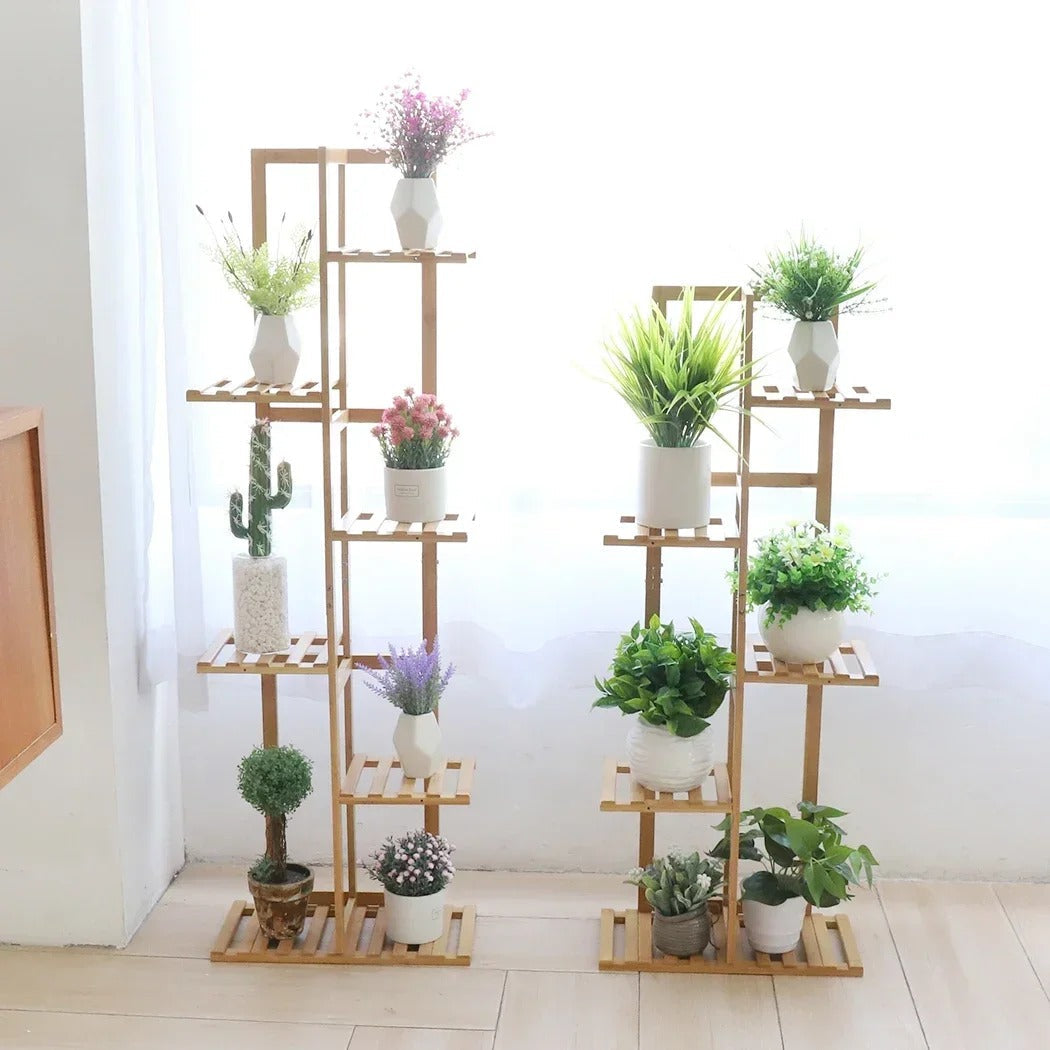
Lightweight plant stands - typically bamboo, thin-gauge metal, or foldable timber constructions - have genuine advantages in the right context.
Portability and repositioning are the most obvious. A stand you can pick up and move easily is a significant practical advantage if you rotate plants for light, rearrange rooms seasonally, or simply like to experiment with where things sit. This matters particularly in Australian homes where the relationship between indoor and outdoor spaces is active - moving a stand from a living room to a covered balcony for summer and back again is easy with a lightweight stand and a logistical task with a heavy one.
Renters and apartment dwellers have specific reasons to prefer lightweight options. Moving at the end of a lease is easier when your furniture does not require two people to shift it. Stacking and transporting foldable lightweight stands is considerably more practical than managing solid timber or iron frames.
Upper-floor apartments and balconies carry structural load ratings that, while typically generous, are worth considering when you are placing multiple large, heavy objects in one area. A lightweight stand under a moderate pot contributes less total load to a balcony deck than a heavy stand under the same pot. This is not a concern for most typical arrangements, but it is worth noting for anyone placing multiple large plant and stand combinations in a concentrated outdoor space.
Flooring protection is another consideration. A heavy stand with small contact feet concentrates load on a small surface area, which can mark timber floors or soft flooring over time. A lightweight stand with the same foot configuration applies less pressure per contact point. Both benefit from furniture pads under the feet, but the heavy stand has more need of them.
The limitation of lightweight stands is structural confidence under heavy loads. A thin bamboo stand or a lightweight wire frame was not designed to hold a 15kg mature plant in a large pot. Asking it to do so creates both a tipping risk and a potential structural failure. For small to medium pots - those weighing under approximately 5-6kg when fully watered - a lightweight stand is typically adequate. Beyond that, the construction needs to match the demand.
The Practical Case for Heavy Plant Stands
Heavier plant stands - solid pine or hardwood timber, welded steel, wrought iron, or thick multi-layer bamboo - have their own set of genuine advantages.
Stability under significant load is the most important. A heavier stand typically has more structural mass at the base, which lowers its centre of gravity and makes it more resistant to tipping when a heavy pot is placed on it. For large indoor plants like fiddle leaf figs, bird of paradise, or mature rubber trees, a stand that can hold the load confidently and stay planted on the floor is not a luxury - it is a practical necessity.
Visual presence and permanence are secondary but genuine advantages. In a living room or bedroom where the plant arrangement is intended to be a fixed design feature rather than a temporary display, the visual weight of a solid stand contributes to the sense that the arrangement belongs there. A lightweight stand under a very large plant can look proportionally mismatched - the structural lightness of the stand undersells the presence of the plant above it.
Longevity and durability generally track with weight in the plant stand category. Solid timber and heavy-gauge metal construction both age better under repeated use than thin or lightweight alternatives. A stand you invest in for a specific permanent spot in your home is better served by a heavier, more substantial build than one you are likely to replace within a few years.
Wind resistance in outdoor settings is worth mentioning for Australian homes with exposed balconies or garden areas. A heavy stand with a wide, grounded base is considerably more stable in wind than a lightweight stand. This is a meaningful consideration in coastal areas or for elevated apartments where wind exposure can be significant.
The limitation is handling and flexibility. A heavy stand you cannot easily move is committed to its position in a way that a lighter stand is not. If your living situation is likely to change, if you are not certain about the placement, or if you genuinely like to rearrange your space regularly, a very heavy stand can become a practical inconvenience.
What Floor Type Means for Your Choice
The flooring in the room where a stand will live should factor into the weight decision more than most people consider.
Polished timber and engineered wood floors are susceptible to marking and indentation from heavy objects with small contact feet. A heavy solid timber stand with narrow feet applies concentrated pressure on the floor surface over time. Furniture pads under each foot are essential, but even with pads, very heavy stands in fixed positions can leave impressions over years of use.
Tiles and concrete floors are considerably more tolerant of heavy loads and are not meaningfully affected by the weight of a plant stand in most domestic situations.
Carpeted floors present the opposite issue - a lightweight stand on carpet can sink or shift as the carpet compresses unevenly under the feet, creating a tilt. A heavier stand with a wider base sits more evenly and stably on carpet than a narrow-footed lightweight frame.
Balcony decking - particularly timber decking or older composite materials - is worth checking before placing multiple heavy stands. Soft timber decking can be marked or dented by concentrated point loads from narrow stand feet over time. Wider base plates or furniture pads distribute the load more evenly across the decking surface.
Specific Stands from Metro Elegance Across the Weight Spectrum
At Metro Elegance, our plant stand range spans both ends of this conversation, and choosing between them is a question we are glad to help customers think through.
For a lightweight option with genuine structural efficiency, thecheck fit and placement details before choosing adds mobility to the lightweight advantage. The rolling design makes repositioning entirely effortless, which suits plant lovers who rotate their collection for light or rearrange their outdoor areas regularly. The multi-pot format also means six plants can be moved as one arrangement rather than one at a time.
For a more substantial timber option suited to permanent arrangements with heavier specimens, thecheck whether this design suits your pot arrangement provides solid pine construction across multiple tiers with a footprint suited to living rooms, balconies, and patios. Pine's natural density gives it the structural grounding that heavy pots require, while remaining more workable than hardwood or cast iron.
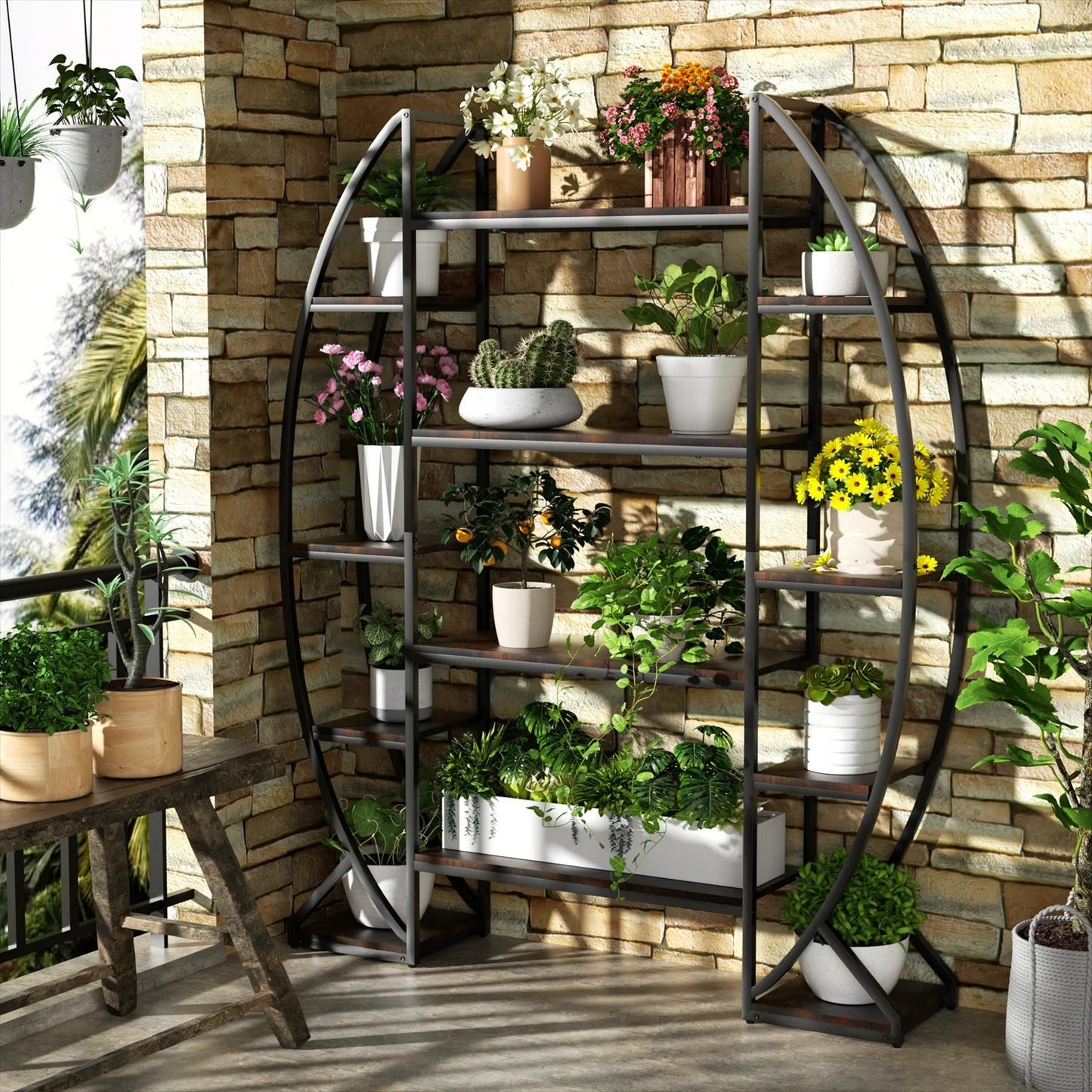
For a welded metal option that combines structural weight with contemporary aesthetics, thecompare the structure with your intended display position delivers a heavy-duty frame across nine display levels. The structural mass of a welded multi-tier metal stand at this scale provides genuine stability for a substantial plant collection without requiring any additional anchoring or wall support.
Ourbrowse options for a balanced group of houseplants andexplore space-aware supports for houseplants both include options across the weight spectrum, and filtering by material is a useful starting point for narrowing down which end of the lightweight-to-heavy range suits your situation.
A Decision Framework for Choosing
Rather than treating this as a binary choice, it is more useful to think through a few specific questions.
How heavy is the plant and pot when fully watered? Under 5kg, a lightweight stand is typically adequate. Over 8-10kg, a heavier, more substantial construction is worth prioritising. Does the stand need to move regularly? If yes, lightweight and ideally foldable or wheeled. If no, heavier construction is fine. What is the floor type? Timber floors with heavy stands need quality furniture pads. Carpet benefits from a heavier, wider-footed base for stability. Is the placement permanent or experimental? Experimental placement favours lightweight. Permanent arrangements can commit to something heavier and more substantial.
Our post on what to look for when selecting a tall plant stand for your collection covers several overlapping considerations in detail, and our post on why elevating your plants makes a practical difference to both health and display explains the broader reasoning behind choosing a stand that is properly matched to its plant. For those working with larger specimens specifically, our post on how to use tall plant stands in bedrooms and living areas for the right visual balance is worth reading alongside this guide.
Getting the Right Match for Your Situation
The lightweight versus heavy question has a different answer for every home, every plant, and every room. What we have tried to do at Metro Elegance is make sure that both ends of the spectrum are well-represented in our range, so you are not pushed toward a compromise that does not suit your actual situation.
If you have a specific plant weight, floor type, or room in mind and want a recommendation before purchasing, we are genuinely happy to help you think it through. Get in touch with us through our contact page and we will give you a straightforward answer.
Frequently Asked Questions
Is a heavier plant stand more stable?
Not automatically. Stability depends primarily on base width, the relationship between the centre of gravity of the stand-plus-plant combination, and foot contact with the floor. A heavy stand with a narrow base can be less stable than a lighter stand with a wide, well-grounded base. That said, greater structural mass at the base of a stand does generally contribute to stability when the base design is sound.
Can a lightweight plant stand hold a heavy pot?
It depends on the specific stand's construction and rated load capacity, not its weight alone. Some lightweight stands in bamboo or engineered metal are built to hold reasonable loads through efficient structural design. As a general principle, very heavy pots - over approximately 8-10kg when fully watered - are safer on stands with more substantial construction. Always check the manufacturer's specified load capacity where available.
Do heavy plant stands damage timber floors?
They can, particularly if the stand has small contact feet that concentrate load on a small surface area over time. Furniture pads under each foot distribute the load and protect the floor surface. This is relevant for both heavy and lightweight stands, but the risk is higher with heavier constructions in fixed positions over an extended period.
Are lightweight plant stands suitable for balconies?
Yes, for most typical balcony situations. The main consideration on balconies is wind resistance - a lightweight stand under a heavy pot in an exposed position can be vulnerable to tipping in strong wind. Heavier stands with wide bases are more stable in windy conditions. For sheltered balconies, lightweight stands are generally appropriate.
What is the lightest material for a plant stand?
Thin-gauge aluminium and lightweight bamboo are among the lightest materials used in plant stand construction. Thin wire metal frames are also very light. These materials suit small to medium pots in indoor settings where portability is valued and load demands are modest.
How do I stop a lightweight plant stand from tipping?
Use a stand with a wide base relative to the height. Ensure all feet are making full contact with the floor - furniture pads help on uneven surfaces. Do not place pots that overhang the shelf edge significantly. Keep the heaviest pots on the lowest tier of multi-tier stands rather than at the top. In outdoor settings with wind exposure, heavier stands or stands positioned against a wall or fence offer more stability.
Does stand weight matter for apartment balconies?
For typical domestic balconies in Australian apartments, the total load of a plant stand and a few plant pots is well within normal structural tolerances in the vast majority of cases. If you are placing a very large number of heavy pots and stands in one concentrated area, or if you have any specific concerns about an older building, the relevant building authority or body corporate is the appropriate contact for specific structural guidance rather than a general rule applying to all balconies.