
There is a particular kind of satisfaction that comes from walking into a room and immediately feeling like something living is happening in it. Not overwhelmingly so - just enough that the space feels inhabited in a way that furniture alone cannot quite achieve. A well-styled green corner does exactly that.
Browse Plant Stands Australia for indoor, outdoor, wooden, metal, tall and corner options.
The concept is straightforward. You take a corner of a room - often the most neglected part of any living space - and you fill it with plants arranged at thoughtful heights using plant stands. The result, when done well, looks effortless. Getting to that point, though, takes a little more planning than most people expect.
Atcompare furnishings around comfort and usable space, we have helped many Australian home owners style their spaces with plant stands that actually work within their rooms. This guide pulls together the practical knowledge behind creating a green corner that looks composed, suits your space, and stays manageable over time.

Why Corners Are the Right Place to Start
Most rooms have at least one corner that does very little. It might hold a lamp that barely gets used, a pile of things waiting to be put away, or simply nothing at all. Corners are awkward spaces architecturally - two walls meeting at a right angle creates a zone that standard furniture does not naturally fill.
Plant displays solve this problem in a way that almost nothing else does. Plants are flexible in form. Their organic shapes fill awkward geometry without looking forced. When you add a vertical plant stand, you are also drawing the eye upward, which can make a room with average ceiling height feel taller and more generous.
There is also a practical reason to use corners for plants specifically. Most corners in a home sit adjacent to windows, at least on one side. That means ambient natural light is often available, which suits a wide range of indoor plants without requiring supplemental lighting.
Planning Your Green Corner Before You Buy
The most common mistake people make when building a plant display is buying the plants first and the stands second. It tends to go the other way around: once you have the plants, the stands you need become harder to find, and you end up with pieces that do not quite work together.
Start with the corner itself. Measure the floor space available. Note which walls are involved and whether a window is nearby. Consider the flooring - timber and tile floors need different levels of protection from pot drainage, which affects which stands and pot types you choose.
Next, think about height. A well-layered green corner typically has three levels of visual interest: low (plants sitting on a low stand or directly on a larger platform), mid-height (a single-stem or two-tier stand), and tall (a ladder-style or corner stand that reaches close to eye level or above). This vertical variation is what gives the display its sense of depth and intention.
Finally, consider the room's existing style. A bamboo ladder stand suits a casual, natural, or coastal interior. A clean-lined timber corner stand works well in minimalist or Scandi-inspired rooms. Slim black metal frames suit contemporary or industrial aesthetics. The plant stand should feel like it belongs to the same design conversation as the rest of the furniture in the room.
Choosing the Right Plant Stands for a Corner Display
Not every plant stand is designed with a corner arrangement in mind. The shape of the stand matters significantly when you are working within the geometry of two walls.
Corner-specific stands are designed to sit flush against two walls simultaneously. They typically feature triangular or wedge-shaped bases that allow them to occupy corner floor space without wasting it. Acompare the design with your preferred plant grouping is a practical example of this - it holds multiple plants at staggered heights and its structure is shaped specifically to suit the corner position.
Ladder stands are long and narrow, which makes them easy to lean against a wall or position in a corner at an angle. They create height without bulk. Areview the spacing for leaves, pots and easy access works well as the tall anchor in a layered corner arrangement - you can place it at the back of the corner, then bring shorter stands in front of and beside it.
Tiered stands with multiple horizontal shelves give you the most flexibility when it comes to mixing pot sizes and plant varieties. A wider, multi-tier display stand can sit at the centre of your arrangement, with taller and lower stands flanking it on either side.
Ourcompare practical ways to organise potted plants brings together a range of stand styles suited to exactly this kind of layered, corner-based arrangement. It is worth browsing before committing to a specific configuration, since the stands you choose need to work together as a set, not just individually.
Selecting Plants That Work Together
A green corner is only as good as the plants in it. The mistake most people make here is choosing plants purely on appearance without thinking about how they interact in a shared space.
There are three things to match when selecting plants for a corner display.
Light requirements. All of the plants in your corner will receive roughly the same light, so they should all have compatible needs. If your corner is bright but indirect (which is common for corners adjacent to a window), you have a wide range of options: pothos, peace lilies, fiddle leaf figs, rubber plants, philodendrons, and many ferns all do well in this condition. If the corner is lower light, focus on peace lilies, snake plants, and ZZ plants, which are notably more tolerant.
Scale and shape. A good plant arrangement uses variation in leaf size, shape, and growth habit to create visual interest. Pair a large, structured plant like a fiddle leaf fig or rubber plant (on the tallest stand) with a mid-size trailing variety like a pothos or heartleaf philodendron (on a mid-height tier), and a compact, ground-level plant like a small succulent arrangement or a peace lily on the lowest tier. This high-mid-low composition is the most reliable structure for a corner display.
Pot continuity. The plants' individual containers should share something in common - whether that is material (all ceramic, all terracotta), colour family (all white, all neutral earth tones), or finish (all matte). Matching every pot exactly can look slightly clinical; matching them loosely creates a composed, intentional feel.
For guidance on which plants tend to look best on specific stand types, our blog on how to style indoor plant stands for a green, layered aesthetic is a useful starting point.
Styling the Corner: Practical Steps
Once you have your stands and plants selected, the assembly itself follows a logical sequence.
Start with the tallest element. Position your tallest stand in the corner first - typically against both walls if it is a corner stand, or angled slightly if it is a ladder or freestanding design. This becomes the anchor of the arrangement.
Build outward and downward. Your mid-height stand comes next, positioned just in front of and beside the tall stand. The goal is to create a diagonal line of descending height as you move from the corner outward into the room. This is the visual structure that makes a green corner look designed rather than random.
Add the low element last. A small, low stand or a plant placed directly on a plant riser at floor level completes the composition. If you are using oursee if this option fits your watering and display routine as your primary structure, you may not need a separate low element - the lower tiers of the stand serve that role naturally.
Step back and adjust. Once all the plants are in place, view the arrangement from the main sightline of the room - the position where you most often look toward that corner. Check that the display reads as a single composed group, not a collection of separate items. Small adjustments in positioning make a significant visual difference at this stage.
Maintaining a Green Corner Long-Term
A green corner is a living display, which means it changes over time. Plants grow, some do better than others, and a few may eventually need to be replaced or moved. Building some flexibility into your setup from the start makes this much easier to manage.
Choose stands that can be rearranged without damage. Bamboo and timber stands are lighter than they often look, which makes repositioning simple. Avoid heavy ceramic or stone plant stands for the central, frequently adjusted pieces - keep those materials for accent pieces that are unlikely to move.
Water plants in place where possible, using pots with drainage holes and saucers rather than moving them to a sink. This reduces the risk of knocking other plants or disturbing the arrangement each time you water.
For advice on caring for timber stands specifically in Australian conditions - where humidity and weather can affect natural materials - our article on maintaining wooden plant stands through different conditions covers the key maintenance considerations in practical terms.
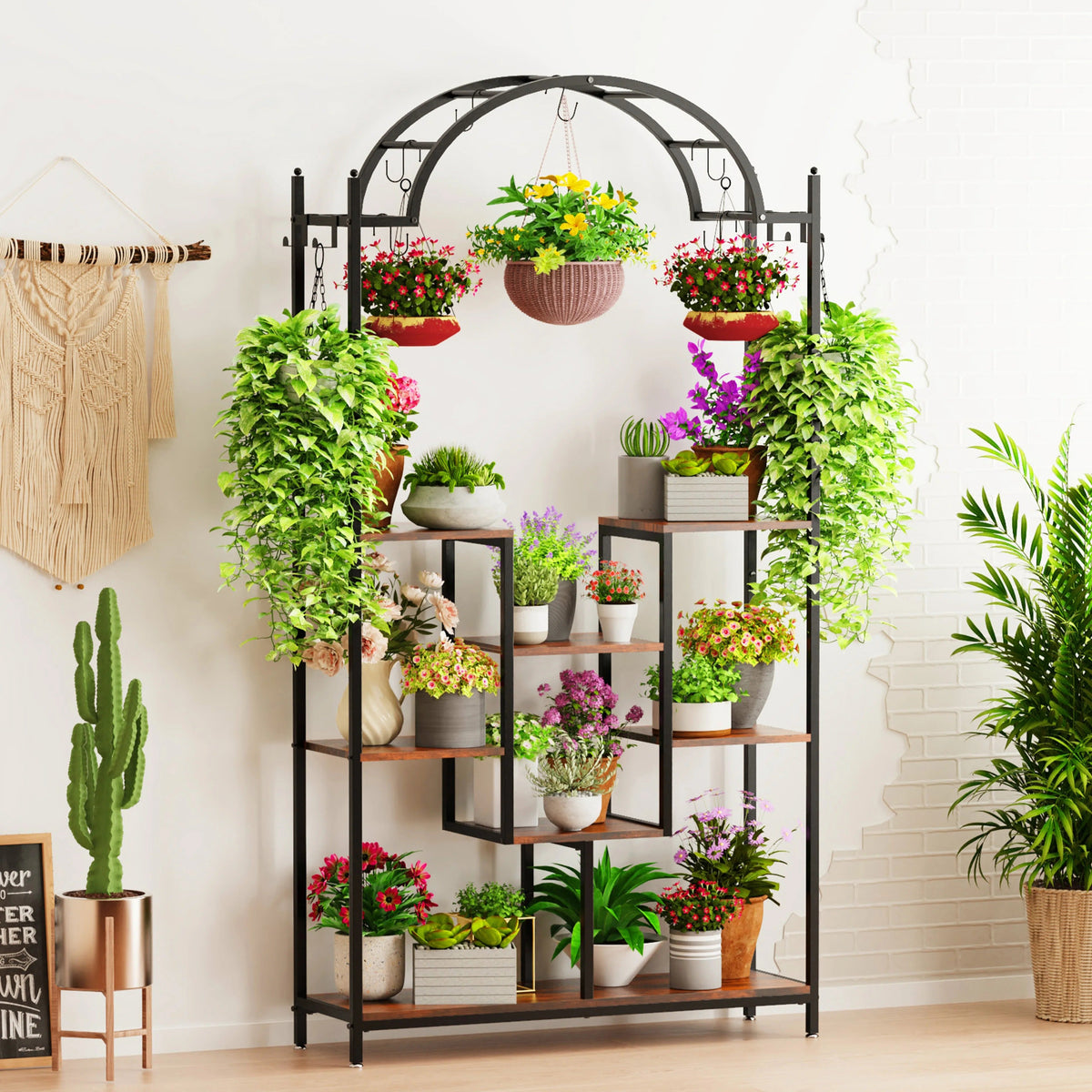
The Result Is Worth the Planning
A green corner, done well, changes a room in a way that is difficult to articulate until you see it. It draws attention without demanding it. It softens the architecture of the space. It introduces a sense of care and consideration that makes a house feel more like a home.
At Metro Elegance, we source plant stands that are built to hold this kind of arrangement over time - not just as a temporary styling moment, but as a lasting part of how a room is lived in. Ourplan a more practical indoor plant corner covers the styles and sizes that Australian homes most commonly need, from compact apartment corners to generous open-plan spaces.
If you are not sure where to start, or you have a specific corner in mind and want some guidance on which stands would suit it, we would love to help.
Get in touch with the Metro Elegance team here.
Frequently Asked Questions
What is a green corner in interior design?
A green corner is a dedicated area - typically a room corner - styled with multiple indoor plants arranged at varying heights using plant stands. The aim is to create a composed, living display that adds texture, colour, and natural interest to an otherwise underused part of a room.
How many plant stands do I need to create a green corner?
Most effective green corners use two to four stands of varying heights. A tall stand at the back, a mid-height stand to the side, and a low element in front creates the layered, diagonal composition that makes the display look intentional rather than clustered.
What plants are best for an indoor corner display?
Plants that tolerate indirect or ambient light work best in most corner positions. Pothos, philodendrons, peace lilies, rubber plants, and fiddle leaf figs are commonly used because they are adaptable and visually interesting. Pairing different leaf shapes and sizes creates a more dynamic arrangement.
Do corner plant stands need to be fixed to the wall?
Most freestanding corner plant stands are stable without wall fixing, particularly ladder and A-frame designs. However, if the stand is very tall or will hold heavy pots, placing it flush against both walls of the corner provides added stability. Always check the manufacturer's guidance for the specific stand you are using.
What floor protection should I use under plant stands?
Use pot saucers under each plant to catch drainage water, and consider placing a tray or mat under the entire arrangement if your flooring is timber or another water-sensitive material. Felt pads under stand legs can also prevent scratching on hard floors.
Can I create a green corner in a small room?
Yes. In small rooms, a corner-specific stand or a slim ladder stand is ideal because it uses vertical space rather than floor area. Restricting the arrangement to one primary stand with two or three plants keeps the display from feeling crowded in a compact space.
How do I stop a green corner from looking messy?
The key factors are pot consistency, deliberate height variation, and not overcrowding the space. Choose pots in a similar colour family, keep the height structure clear (tall at back, low at front), and resist the urge to add too many plants. Negative space within the arrangement makes the display feel considered rather than chaotic.