
The question of whether folding plant stands are worth it does not have a single answer - and any guide that suggests otherwise is probably not being fully honest. Like most furniture decisions, the answer depends on who is asking, what their living situation looks like, and what specific problem they are trying to solve.
Explore the complete plant stand range to compare dimensions, materials and placement.
That said, folding plant stands are a category with genuinely useful qualities that are easy to overlook, and also with limitations that are easy to miss until after the purchase. Understanding both sides clearly leads to a much better decision - whether that ends up being a folding stand, a fixed one, or a combination of both.
Atfind pieces for a more considered home layout, we think about plant stands as practical furniture, not just decorative objects. This guide looks honestly at folding plant stands: what they do well, where they fall short, who they are genuinely suited to, and what to look for when assessing quality in this category.
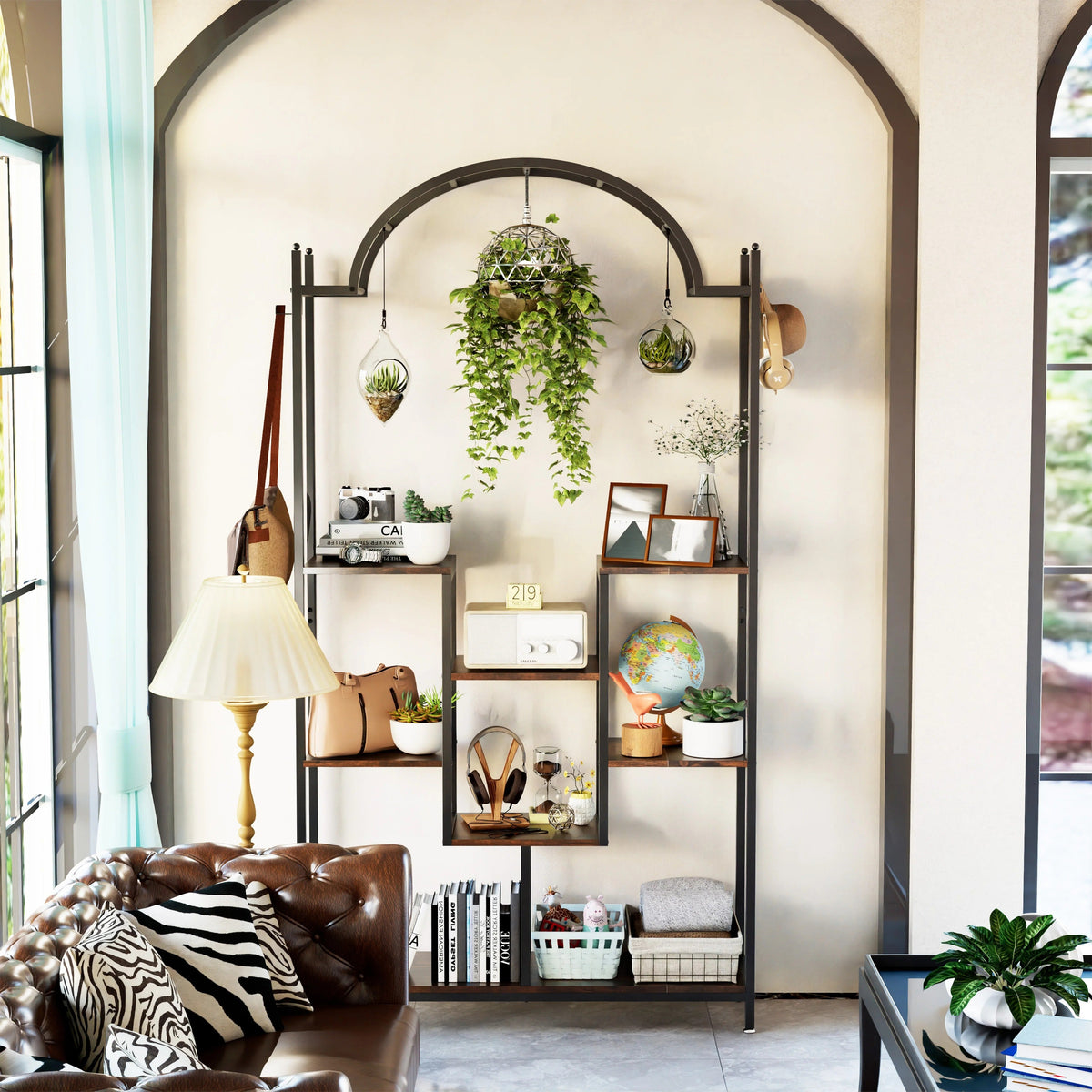
What a Folding Plant Stand Actually Is
Before getting into whether folding stands are worth it, it helps to be precise about the category.
A folding plant stand is any plant stand whose frame can be collapsed into a flatter or more compact configuration, typically for storage or transport. The folding mechanism varies considerably between designs. Some stands fold along a central spine, collapsing the way a step ladder does. Others have individual legs or rungs that fold inward or downward. Ladder-style stands often achieve their folding function by hinging the uprights so that the rungs collapse flat between them.
The common thread is that the stand can transition between two states: an open, functional display position and a collapsed, compact storage position. What varies between different folding stands is how compact the folded form actually is, how easy the transition between states is in practice, and how well the stand holds up structurally over repeated folding and unfolding.
These variations are significant enough that two stands both marketed as folding designs can have very different practical profiles. Evaluating a folding stand on its folding capability alone - without considering how it performs in its open, functional state - misses much of what matters.
The Genuine Benefits of Folding Plant Stands
There are specific situations where the foldability of a plant stand is genuinely valuable, not just a nice-to-have. Understanding these situations clearly helps identify whether a folding stand is the right category for your needs.
Rental Properties and Frequent Moves
Australian renters move more frequently than property owners, and the practical challenges of moving with plants and furniture are real. A fixed-frame plant stand, particularly a tall or multi-tier design, can be awkward to transport and requires the plants to be removed and the stand disassembled or carried as a single piece through doorways and stairwells.
A folding stand removes most of this friction. The stand collapses flat, the plants are removed for transport separately, and the stand itself fits into a car boot or a removalist's truck without requiring special handling or risking damage to its structure. For renters who have moved a plant collection between multiple apartments, the value of this is immediately clear.
Seasonal or Occasional Use
Some plant displays in Australian homes are seasonal - a balcony setup that is used heavily in spring and autumn but stored away in the most intense summer heat, or an indoor display that is set up around a particular space for part of the year and stored when that space is needed for other purposes.
In these situations, a folding stand's ability to be stored compactly during the off-season is genuinely useful. A fixed-frame stand that cannot be easily stored occupies space whether or not it is in active use. A folding stand can be put away when not needed and brought back out without the setup effort that a fully assembled fixed stand would require.
Flexible Spaces
Many Australian homes - particularly apartments and open-plan houses - have spaces that serve multiple functions at different times. A living room that also acts as an occasional dining or entertaining space, a study that becomes a guest room, a balcony that is rearranged seasonally. In these flexible spaces, the ability to move or remove a plant stand quickly without disturbing the plants permanently is a meaningful practical advantage.
Testing Plant Positions
For anyone who is still working out where in their home a plant display will work best - which corner gets the right light, which wall position reads well from the main seating area - a folding stand is easier to reposition than a fixed-frame equivalent. The ability to try a stand in multiple positions before committing to a final arrangement can improve the outcome of the display significantly.
Where Folding Plant Stands Fall Short
Honest advice requires acknowledging where folding stands are not the right tool for the job.
Stability and Load Capacity
Folding stands achieve their flexibility partly through hinge and pivot mechanisms that introduce potential weak points in the structure. A well-made folding stand with quality hardware will be stable and capable of holding appropriate pot weights without issue. A poorly made one may develop wobble or looseness at the hinge points over time, particularly if it is used with heavier pots that are at or near the upper limit of its stated capacity.
This does not mean all folding stands are unstable - it means stability needs to be assessed more carefully in a folding stand than in an equivalent fixed-frame design. The quality of the hinge hardware, the tightness of the folded joint when open, and the weight rating of the stand relative to the pots you intend to use are all important factors.
Permanent, High-Traffic Positions
If a plant stand is going to sit in the same corner of the same room for the next three years, carrying the same heavy pots, with no intention of being moved or stored - the foldability of the stand adds complexity without adding benefit. In this situation, a well-made fixed-frame stand is likely to be more stable, potentially more durable at the joint points, and equally or more attractive for the same or a similar price.
The value of foldability is in the flexibility it provides. When that flexibility is not needed, the trade-off in joint complexity is not worthwhile.
Very Heavy Pot Loads
Large ceramic or stone pots with substantial soil and root mass are heavy, and their weight places ongoing stress on the structures that support them. Fixed-frame stands handle this stress through solid, continuous joints that do not flex or pivot. Folding stands handle it through hinge mechanisms that, depending on their quality, may or may not be equally resistant to the gradual stress of heavy loads over time.
For displays with very heavy pots - particularly large, statement plants in substantial containers - a fixed-frame stand with welded or mortise-and-tenon joinery is generally a more appropriate structural choice.
Assessing Quality in a Folding Plant Stand
If the case for a folding stand is clear for your situation, the next question is how to assess quality in this category. The things to look for are slightly different from what matters in a fixed-frame stand.
The hinge mechanism. The hinge is the point of highest stress in a folding stand. It needs to be made from a material that resists both the mechanical stress of repeated folding and the environmental conditions of the room or outdoor space. Metal hinges with smooth operation and no visible flex when the stand is loaded are preferable to plastic pivots or thin metal hinges that show movement under weight.
The stability of the open position. When the stand is fully open and set to its use position, it should feel as stable as a fixed-frame equivalent. Any wobble, lean, or lateral flex at the hinge points when the stand is empty is a sign that those characteristics will be amplified once pots are loaded onto the stand.
The compactness of the folded form. The folded stand should be genuinely compact relative to its open size - not just fractionally slimmer. A stand that folds to a flat profile narrow enough to slide behind a door or into a storage cupboard delivers on the practical promise of foldability. One that folds to a shape only marginally smaller than its open configuration provides limited storage advantage.
The ease of the fold and unfold process. The transition between open and folded should be straightforward enough to complete alone, without tools or significant physical effort. If the stand requires assistance or force to fold or unfold, the practical benefit of foldability is significantly reduced.
Ourcheck whether the tiers suit the pots you already own demonstrates what a well-considered folding design looks like in practice. Its wooden construction gives it the material quality and visual warmth of a standard timber ladder stand, while its folding mechanism allows it to be stored flat when not in use. When open, it presents as a clean, tiered display structure that reads as a designed piece of furniture rather than a temporary or improvised solution.
Folding Versus Fixed: A Practical Comparison
To make the comparison concrete, it helps to look at the specific trade-offs between a folding and a fixed-frame stand of similar design and material.
Visual quality when in use: In natural timber or bamboo, a quality folding stand looks comparable to its fixed-frame equivalent when open. The hinge points are typically discreet, and the overall form is similar. At close range or in a small room where the stand is viewed from nearby, a very high-quality fixed-frame stand may have a marginally cleaner joint aesthetic, but the practical difference is minor.
Durability over time: A fixed-frame stand with solid joinery has fewer mechanical components that can wear, loosen, or fail over time. A folding stand's longevity depends more heavily on the quality of its hinge hardware and how frequently it is folded and unfolded. For a stand that is set up once and left in position, the durability difference is minimal. For one that is folded and unfolded regularly, hinge quality becomes a more significant factor.
Flexibility and usability: Folding stands win clearly on flexibility. The ability to move, store, reposition, and transport the stand without disassembling it entirely is a genuine practical advantage in the specific situations described above.
Price: In comparable materials and at comparable quality levels, folding stands and fixed-frame stands are often similarly priced. The folding mechanism adds some manufacturing complexity, but this is offset by the fact that fixed-frame stands with high-quality joinery also carry a quality premium. The price comparison between specific models matters more than a generalisation about the category.
For a broader look at how to choose between different stand materials and configurations for specific room types and Australian home styles, our article on matching plant stands to your home's interior style covers the decision-making framework across different aesthetic contexts.
Who Should Consider a Folding Plant Stand
Drawing the above together, folding plant stands are likely a good fit for:
- Renters in Australian apartments or houses who move regularly and want a plant display that travels well.
- Anyone with a flexible living space where the floor plan changes regularly and the plant stand needs to be moved or stored periodically.
- People who are still working out their plant display arrangement and want the freedom to experiment with positions before committing.
- Households with seasonal or occasion-specific display needs where the stand is stored for part of the year.
- Anyone with limited storage space who needs a stand that folds flat rather than occupying permanent room.
Folding plant stands are less likely to be the right choice for:
- Households with a fixed, permanent plant display in a stable position that will not change.
- Displays using very heavy pots that would benefit from the solid joinery of a fixed-frame stand.
- People whose primary concern is the longest possible structural lifespan from a stand that will not be folded or moved.
Ourfind a setup that keeps greenery easier to arrange includes both folding and fixed-frame options across a range of heights and materials, so there is a practical basis for comparison regardless of which direction suits your situation. Metro Elegance stocks both categories because different households have genuinely different needs, and the right answer varies from one customer to the next.
A Note on Aesthetics: Foldability and Style
One concern that sometimes surfaces about folding plant stands is whether they look as good as fixed-frame equivalents - whether the folding mechanism compromises the aesthetic quality of the stand in its open position.
For well-made folding stands in natural materials, the answer is generally no. Our 3-tier bamboo corner plant stand illustrates this - when open and in position, a natural bamboo folding stand reads as a clean, warm display structure. The folding capability does not impose itself visually when the stand is in use.
Where aesthetic quality does vary is in the lower-priced end of the folding stand market, where the hinge hardware may be more visible, the materials thinner, and the overall finish less refined. Choosing a folding stand with the same material and finish standards you would apply to a fixed-frame stand - natural timber, quality bamboo, well-finished metal - gives you a visually comparable result regardless of the folding mechanism beneath.
For guidance on how stand material choices interact with Australian interior styles, our post on choosing plant stand materials that suit your home's design walks through the key material comparisons and their aesthetic implications.

The Honest Verdict
Folding plant stands are worth it - but for specific people in specific situations, not universally. If your living arrangement involves regular moves, flexible spaces, or seasonal display needs, a quality folding stand delivers practical value that a fixed-frame equivalent cannot. If your plant display is permanent and your position is stable, a fixed-frame stand may serve you better over the long term.
The key is to assess the folding stand on both its folding capability and its in-use quality. A stand that folds well but wobbles when loaded, or one that is stable when open but barely more compact when folded, is not delivering the full value proposition of the category. A stand that folds genuinely flat, sets up quickly, holds its load without movement, and looks as good as its fixed-frame equivalents when in position delivers real value in the situations where that flexibility matters.
At Metro Elegance, we are happy to help you work out which approach suits your specific home and plant display goals.
Frequently Asked Questions
Are folding plant stands as stable as fixed plant stands?
A well-made folding stand with quality hinge hardware can be comparably stable to a fixed-frame equivalent when open and loaded with appropriate pot weights. Stability in folding stands depends heavily on the quality of the hinge mechanism and the tightness of the open position. Always assess a folding stand's stability when loaded, not just when empty.
How long do folding plant stands last?
Durability depends on the quality of the materials and hinge hardware, and on how frequently the stand is folded and unfolded. A folding stand used seasonally - set up once in spring and stored in autumn - will experience far less mechanical wear than one folded and unfolded weekly. High-quality folding stands in natural timber or bamboo with metal hinges typically last well when used and stored appropriately.
Are folding plant stands suitable for heavy pots?
This depends on the specific stand's weight rating. Check the manufacturer's stated weight capacity for each tier before loading heavy ceramic or stone pots. For very heavy loads, a fixed-frame stand with solid welded or mortise-and-tenon joinery may be a more appropriate structural choice.
Can folding plant stands be used outdoors?
Some folding stands are designed for outdoor use, others are not. Check the product specifications before placing any folding stand in an outdoor or semi-outdoor position. Timber and bamboo folding stands used outdoors should be appropriate for outdoor conditions or treated for weather resistance.
What is the main advantage of a folding plant stand over a fixed one?
The primary advantage is flexibility: the ability to move, store, transport, and reposition the stand without permanently disassembling it. This is most valuable for renters, frequent movers, flexible living spaces, and seasonal displays where the stand is not in permanent use.
Do folding plant stands look as good as fixed stands?
In quality natural materials - timber, bamboo - a folding stand when open and in position reads as comparable to a fixed-frame equivalent. The folding mechanism is typically discreet when the stand is set up. Lower-quality folding stands may have more visible or bulky hardware that affects the aesthetic. Applying the same material and finish standards you would to a fixed stand produces a visually comparable result.
How do I know if a folding plant stand is right for my situation?
If your plant display position is permanent and unlikely to change, and the stand will not need to be stored or transported, a fixed-frame stand is probably a better choice. If you move regularly, need to store the stand periodically, or want the flexibility to reposition the display, a quality folding stand is worth considering. The decision should be driven by your practical situation rather than a general preference for or against foldability as a feature.