
Key Takeaways
Browse Plant Stands Australia for indoor, outdoor, wooden, metal, tall and corner options.
- The price of a plant stand does not always reflect its quality - some budget options are genuinely well-built, while some expensive ones are not.
- The weight of your plant and pot is the single most important factor in deciding how much to spend. Heavier loads require sturdier construction.
- Budget stands can work well for small, lightweight pots, decorative displays, and short-term arrangements.
- Premium stands tend to justify the cost when they will be used daily, hold heavy specimens, or need to last in humid or outdoor conditions.
- The sweet spot for most Australian homes is a mid-range solid timber or powder-coated metal stand that balances build quality with accessible pricing.
- discover furniture for relaxed modern living offers plant stands across a range of price points, with free shipping Australia-wide.
Spend enough time browsing plant stands online and you will notice something: the price range is enormous. You can find a stand for under $20 and another one that looks superficially similar for over $200. That gap raises a fair question, and it is one worth thinking through properly before you hand over your money.
Is the expensive one genuinely better? Sometimes yes, sometimes no. Is the cheap one always a waste? Not necessarily. The honest answer is that what matters is not the price tag itself but what that price actually reflects in terms of materials, construction, and the specific job you need the stand to do.
This guide is for anyone who wants to make a practical, informed decision rather than simply buying the cheapest option and hoping for the best - or paying more than they need to because they assumed price equals quality.
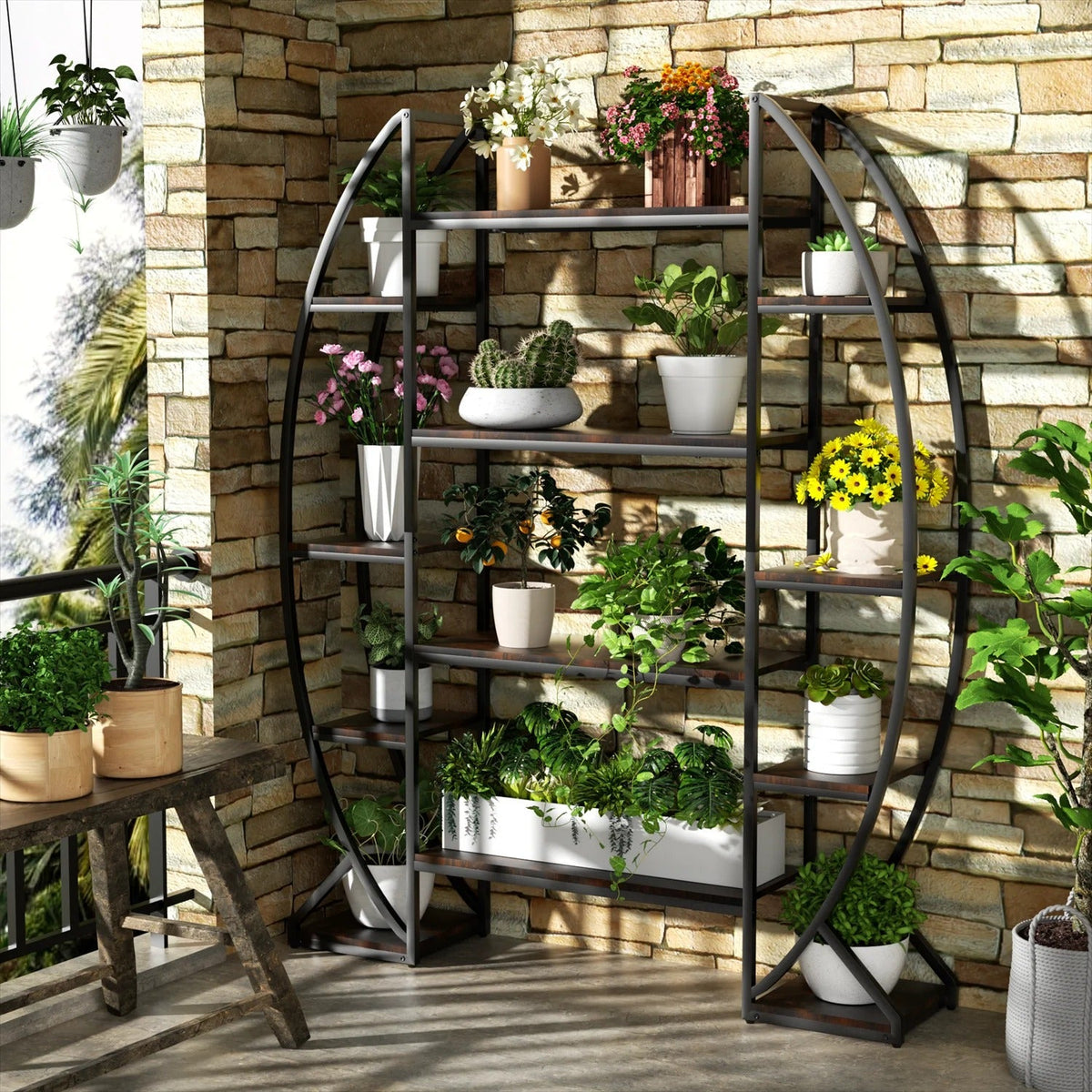
What You Are Actually Paying For When You Buy a Plant Stand
Before comparing budget and premium options directly, it helps to understand what determines the cost of a plant stand in the first place.
Material grade is the biggest driver of price. A stand made from solid pine or hardwood costs more to produce than one made from thin MDF or low-grade particleboard. A welded powder-coated steel frame costs more than a lightweight wire construction. The material determines weight capacity, durability, and how the stand holds up over time - so this is not an area where higher cost is automatically unjustified.
Joinery and construction method also contribute significantly to price. A stand where the shelves are properly secured to the frame with metal fixings or solid timber dowels will carry more weight and stay stable longer than one assembled with thin staples or basic adhesive. This is harder to see from a product photo, which is one reason why cheaper stands can look similar to better-built ones online.
Finish and aesthetic treatment adds cost without necessarily adding structural benefit. A stand with hand-sanded edges, an oil finish, or a precision powder coat is more expensive to produce than one with a basic painted surface. Whether that cost is worth it depends on how much the final look matters to you and where the stand will be placed.
Shipping and brand overhead also factor in, particularly in Australia where the cost of freight for bulky furniture items is real. Free shipping offers from reputable retailers are often factored into the price rather than being a bonus - so a stand listed at $89 with free shipping may represent similar actual cost to a $69 stand with a $25 delivery fee.
Where Budget Stands Genuinely Work
There is no point spending more than necessary if a budget option will do the job well. Budget plant stands - broadly speaking, those in the $20-$60 range - can be appropriate in a few specific situations.
Small, lightweight pots place minimal structural demands on a stand. If you are displaying a collection of small succulents, cacti, or herb pots that individually weigh less than 2kg, a lighter-duty stand will hold up perfectly well without any concern about stability or weight capacity.
Temporary or trial arrangements are another reasonable use case. If you are trying out a new room layout, testing whether a particular corner suits a plant display before committing, or decorating a rental property where permanence is not the goal, a budget stand is a sensible short-term solution.
Outdoor areas with high wear risk can also justify a lower initial investment, provided the stand is specifically rated for outdoor use. Patios, balconies, and garden areas expose furniture to weather, sun, and general wear that will eventually degrade any stand. In these settings, replacing a $40 stand every couple of seasons may work out similarly to maintaining a $150 one, depending on conditions.
Where budget stands tend to fall short is in structural integrity under real load, longevity in humid indoor environments, and overall finish quality. A wobbling stand is frustrating. A stand that bows after six months under a heavy pot is a wasted purchase. And a stand whose surface finish begins to peel or discolour within a year is one that stops contributing positively to the room.
Where the Premium End Justifies the Cost
Premium plant stands - broadly those in the $100-$250 and above range - tend to earn their price in specific circumstances.
Heavy specimens are the clearest case. A mature fiddle leaf fig, a large monstera, or a bird of paradise in a substantial pot can weigh 10kg or more when fully watered. A stand holding that kind of weight needs solid construction at every joint and connection point. Cutting corners on price here is a genuine safety risk, not just an aesthetic compromise.
High-visibility rooms are another case where the premium end makes sense. A stand in your main living area, dining space, or entryway will be seen by visitors and will contribute to the overall impression of the room every day. The difference in presence between a well-crafted timber stand and a basic wire display is significant in these settings.
Long-term investment thinking also shifts the calculus. A solid timber or powder-coated metal stand that lasts five to ten years with basic maintenance costs considerably less per year of use than a cheap stand replaced every one to two years. For anyone who takes their plant collection seriously, this is worth factoring into the initial purchase decision.
At Metro Elegance, we have found that the stands our customers return to most often - the ones they describe as genuinely worth the investment - tend to be solid timber multi-tier designs and well-welded metal frames rather than either the cheapest options or the most extravagantly finished pieces.
The Sweet Spot: Mid-Range Stands That Deliver Real Value
For most Australian homes and most plant collections, the strongest value sits in the mid-range - stands that are genuinely well-built without the premium price of a bespoke or heavily designed piece.
What to look for in this range: solid timber or bamboo in multi-layer construction, properly secured shelf platforms, a stable wide base, and a finish that is consistent and durable rather than decorative only.
A few options from the Metro Elegance range illustrate this well.
Thereview the spacing for leaves, pots and easy access is a strong example of practical value. The ladder format is inherently stable, the foldable design makes it easy to reposition, and the timber construction handles medium-weight pots without issue. It suits living rooms, bedrooms, and covered balconies equally well.
Thecheck whether this design suits your pot arrangement combines a metal frame with timber shelving for a design that is both structurally sound and visually interesting. The arched format and hanging hooks give it genuine versatility, and the combination of materials means it handles load reliably while still looking considered in a styled interior.
For those who want a genuinely solid timber option, thesee whether this design keeps pots accessible and visible delivers real structural confidence. Solid pine is heavier and more durable than MDF or thin bamboo, and this stand is built to handle both indoor and outdoor use, which adds flexibility if your plant collection changes seasonally.
Material Comparison: What Budget and Premium Versions Actually Differ In
It is worth being specific about how material quality differs across the price range, because this is where the real structural gap between cheap and quality stands becomes concrete.
Bamboo at the budget end is often thin-gauge, with narrow shelf platforms and cord or staple joinery. It looks the part but flexes under load. Mid-range bamboo is thicker, with wider shelves and proper bracket-style connections between horizontal and vertical elements. The difference is substantial in real use.
Timber at the budget end is typically MDF or low-grade particleboard with a printed or painted timber-look surface. These materials absorb moisture, swell, and lose structural integrity over time in indoor environments where regular watering is involved. Solid timber at the mid-to-premium end - pine, bamboo in solid form, or hardwood - behaves predictably under load and responds well to basic maintenance.
Metal at the budget end is typically thin-gauge wire or lightweight tube with basic paint that chips and rusts. Mid-range metal is heavier-gauge steel with a proper powder coat that resists moisture and surface damage. The weight of the frame itself is often a reliable indicator - a stand that feels substantial in the hand is usually built more solidly than one that seems light for its size.
Our post on why wooden plant stands are becoming a popular choice explores the specific qualities that make solid timber worth considering, and our post on the factors to look for when choosing a tall plant stand covers a practical checklist that applies across the price spectrum.
Practical Questions to Ask Before You Buy
Rather than focusing on price as the primary decision point, these questions help clarify what level of investment actually makes sense for your situation.
How heavy is the plant and pot, fully watered? If the answer is over 5kg, prioritise weight capacity over price. What room will the stand live in, and how visible is it daily? A hallway stand warrants more investment than a utility balcony display. How long do you want it to last? If you are thinking in years rather than seasons, the mid-to-premium range makes more financial sense over time.
For further guidance on matching stand choice to your specific indoor environment, our post on choosing the right plant stand for your home in Australia walks through these considerations in more detail.
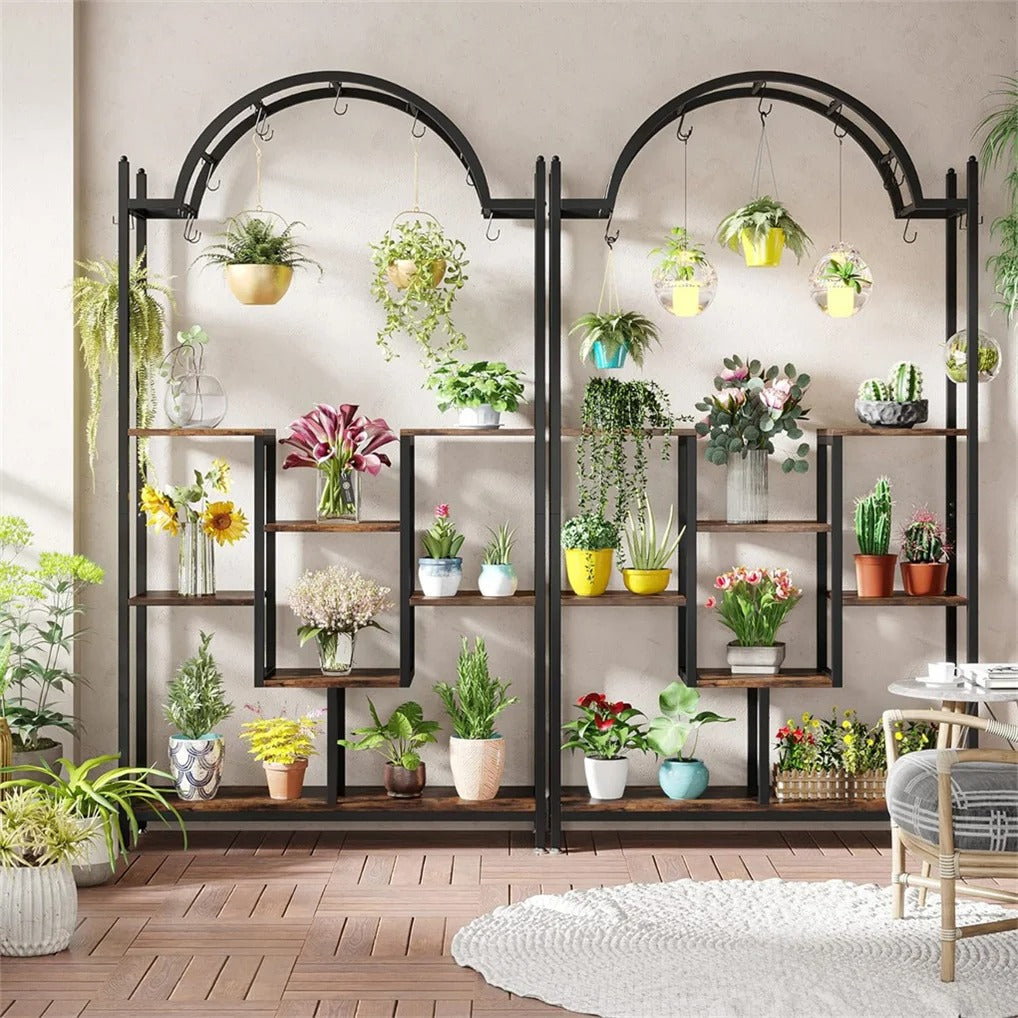
Our Range Covers Both Ends of the Conversation
At Metro Elegance, we stock plant stands across a genuine range of price points - not because we think cheap is always fine, but because different situations genuinely call for different investments. What we do not stock is poorly built product regardless of price. Every stand in our range is chosen for structural integrity as well as appearance.
If you are not sure which option makes sense for your plants, your space, or your budget, we are happy to help you think it through. Reach out via our contact page and we will give you a straight answer.
You can also browse ourplan a layered arrangement without blocking walkways and ourplan a balcony-friendly plant display to get a sense of what is available at different price points across materials and styles.
Frequently Asked Questions
Are cheap plant stands worth buying?
It depends on what you need them for. Budget plant stands can work well for small, lightweight pots and short-term or low-visibility arrangements. They are generally not suitable for heavy specimens, long-term daily use, or high-humidity environments where material quality matters for longevity.
What is the difference between a budget and a premium plant stand?
The main differences are material grade, construction method, and finish quality. Premium stands typically use solid timber, heavier-gauge metal, or multi-layer bamboo with proper joinery. Budget stands are more often made from thin materials with basic fixing methods that hold up less reliably under real load and regular use.
How much should I spend on a plant stand in Australia?
For most indoor plants in the light to medium weight range, a mid-range stand between $60 and $150 offers the most practical value. For heavy specimens or high-visibility rooms, spending toward the upper end of that range or beyond is generally worthwhile. For small decorative pots, a budget option is often sufficient.
Will a cheap plant stand hold a heavy pot?
Many budget stands are not designed to hold significant weight reliably. If your pot and plant together weigh more than around 4-5kg when fully watered, look for a stand with solid timber or welded metal construction and a confirmed weight capacity from the manufacturer.
Do more expensive plant stands last longer?
Generally yes, provided the higher price reflects material and construction quality rather than decorative features alone. A solid timber or powder-coated metal stand maintained properly will typically outlast a budget stand by several years. The cost per year of use often favours the more expensive option over time.
What material makes the most durable plant stand?
For indoor use, solid pine and hardwood offer reliable durability. For outdoor or humid conditions, powder-coated steel or treated timber performs best. Thin MDF, particleboard, and lightweight wire frames are the least durable options across all conditions.
Is it worth buying a premium plant stand for a rental property?
For a rental where permanence is limited or you may need to move the stand, a mid-range option is usually the most practical choice. A quality mid-range stand can be moved, repositioned, and reused across different spaces, making it a better investment than either an ultra-cheap disposable option or an expensive fixed piece.