
-
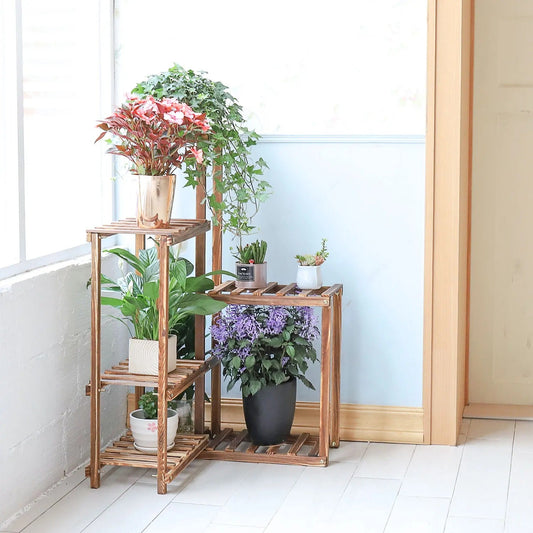
6 Tiered Carbonised Triangle Corner Plant Rack Wooden Plant Stand, Flower Pots Holder - Elevate Garden Space
Regular price From $79.00 AUDRegular priceUnit price per$69.00 AUDSale price From $79.00 AUD -
3 Tier Plant Stand Bamboo Corner Plant Stand, Indoor Plant Ladder Shelf Flower Display Rack
Regular price $79.00 AUDRegular priceUnit price per$119.00 AUDSale price $79.00 AUDSale -

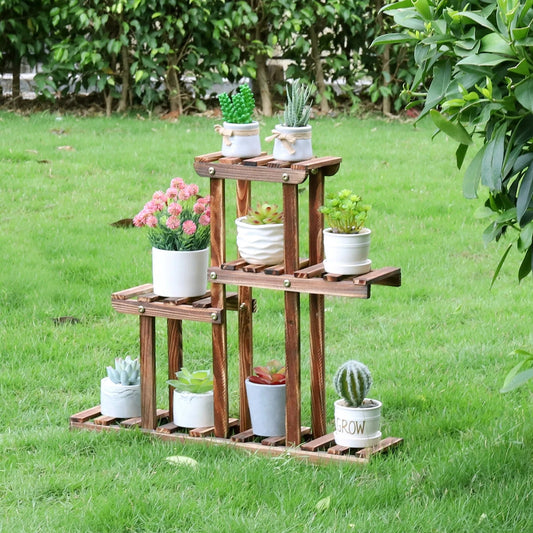
Solid Pine Wood Multi-Tier Plant Stand – Indoor & Outdoor Flower Pot Holder and Ladder Shelf
Regular price $29.00 AUDRegular priceUnit price per$49.00 AUDSale price $29.00 AUDSold out -
Multi-Tier Pine Wood Plant Stand – Indoor/Outdoor Flower Display Rack for Living Rooms, Balconies, Patios, and Gardens
Regular price $69.00 AUDRegular priceUnit price per$89.00 AUDSale price $69.00 AUDSale -
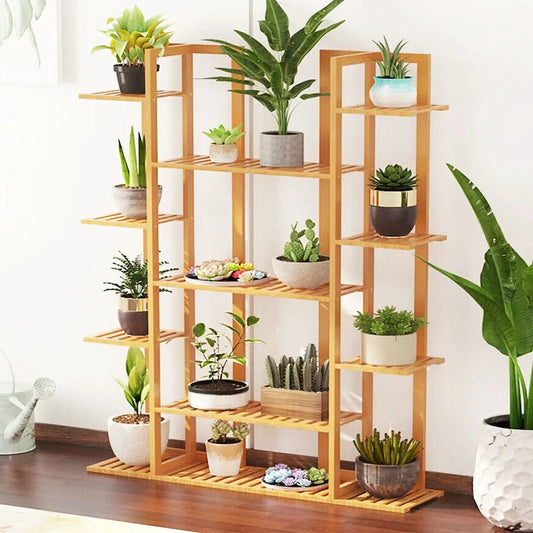
10 Pot Stylish Bamboo Plant Stand for In/Outdoor, Bonsai Flower Display, Shelf Holder Rack
Regular price $79.00 AUDRegular priceUnit price per$139.00 AUDSale price $79.00 AUDSale -
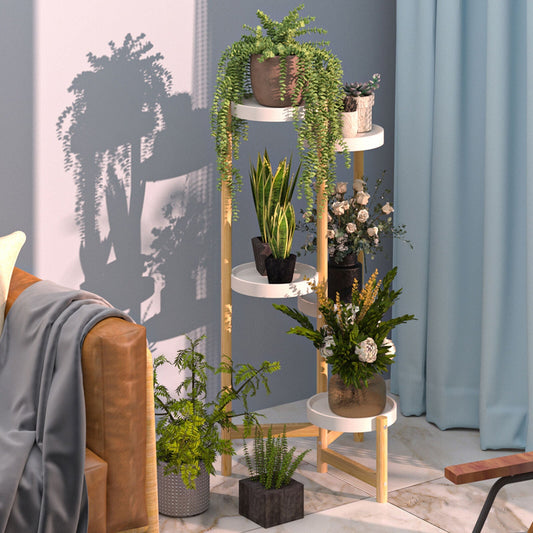
4-Tier Bamboo Plant Stand – A Tall, Nordic-Style Corner Flower Rack for Living Rooms, Bedrooms, and Balconies
Regular price $109.00 AUDRegular priceUnit price per$199.00 AUDSale price $109.00 AUDSale -
Wooden Corner Plant Shelf – Indoor/Outdoor Stand for Pots and Decorative Displays
Regular price $29.00 AUDRegular priceUnit price per$49.00 AUDSale price $29.00 AUDSale -
Multi Tier Indoor Plant Stand Bamboo Planter
Regular price From $59.00 AUDRegular priceUnit price per -
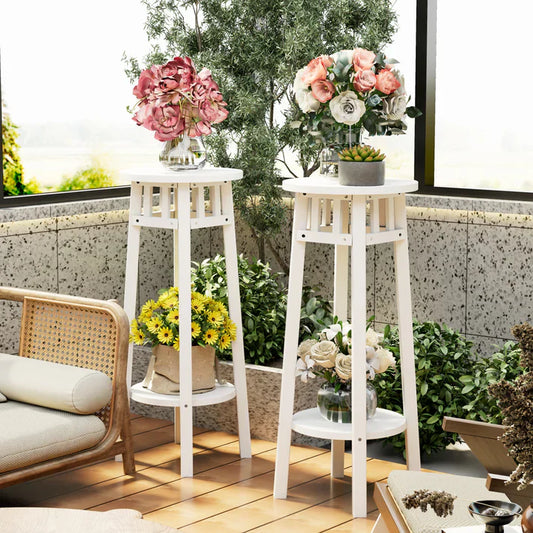
A Set Of 2 Minimalist White Wooden Plant Stands Garden Flower Holder
Regular price $129.00 AUDRegular priceUnit price per$199.00 AUDSale price $129.00 AUDSold out -
9-Tier Extra Large Bamboo Plant Stand – Multi-Level Flowerpot Display Rack for Up to 17 Pots (Indoor & Outdoor)
Regular price $119.00 AUDRegular priceUnit price per$179.00 AUDSale price $119.00 AUDSale -
6 Tier Plant Corner Stand Wood Displaying Shelves
Regular price $89.00 AUDRegular priceUnit price per$69.00 AUDSale price $89.00 AUDSold out -
5-Tier Bamboo Plant Stand – A Modern Flower Pot Holder for Patios & Indoor Spaces
Regular price $99.00 AUDRegular priceUnit price per$89.00 AUDSale price $99.00 AUDSold out -
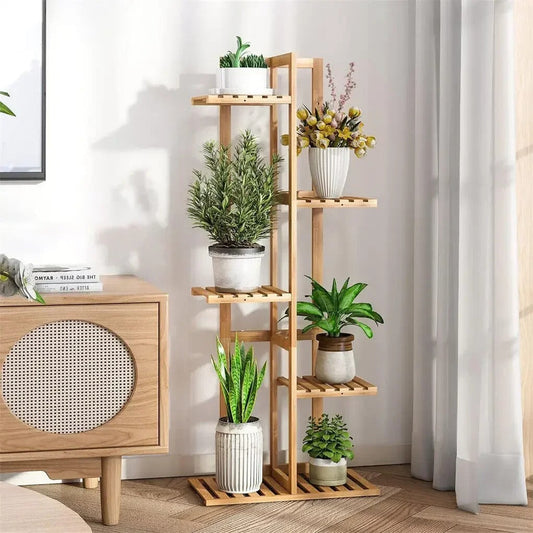
5 / 6 Tier Tall Bamboo Corner Plant Stand – Indoor & Outdoor Flower Display Rack
Regular price From $69.00 AUDRegular priceUnit price per -
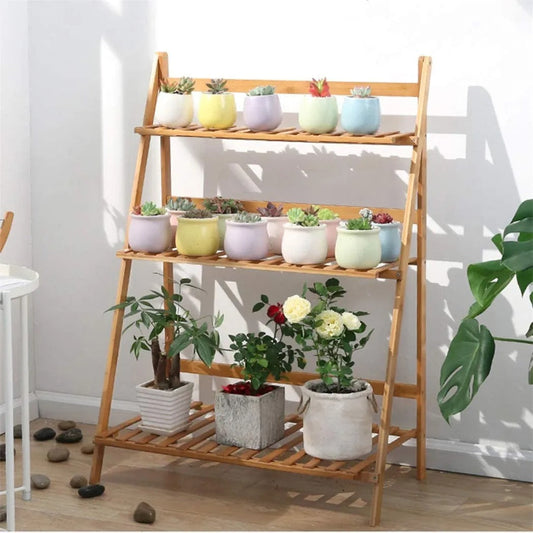
3-Tier Bamboo Ladder Shelf – A Stylish Flower & Plant Rack for Indoor/Outdoor Use
Regular price From $109.00 AUDRegular priceUnit price per$69.00 AUDSale price From $109.00 AUD -
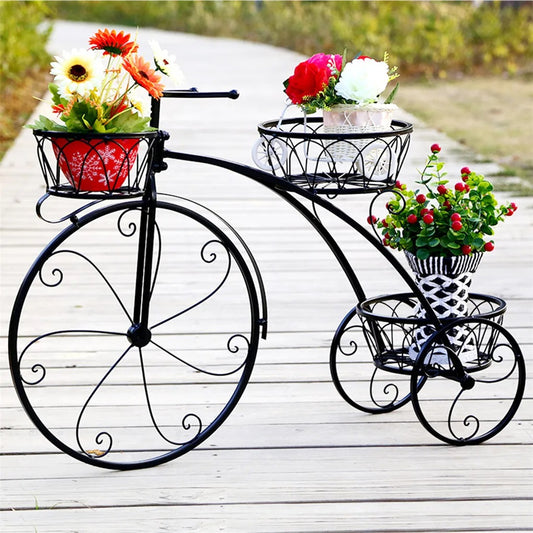
3-Tier Iron Bicycle Plant Stand, Indoor outdoor metal plant stand.
Regular price $89.00 AUDRegular priceUnit price per -
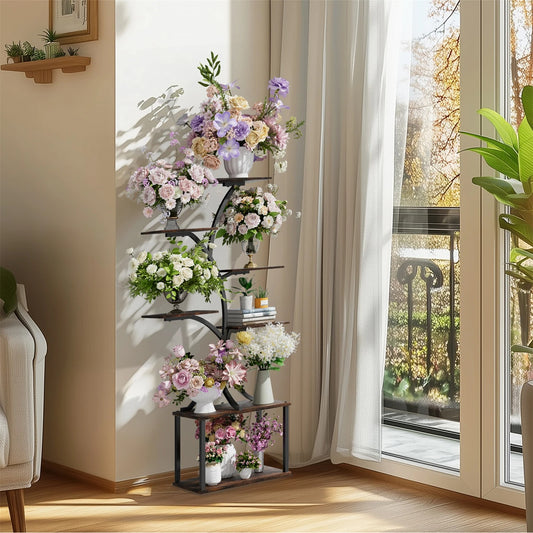
7 Tier Tree Shaped Plant Stand for Patio Living Room Metal Plant Flower Pot Display Holder with Lights
Regular price $199.00 AUDRegular priceUnit price per
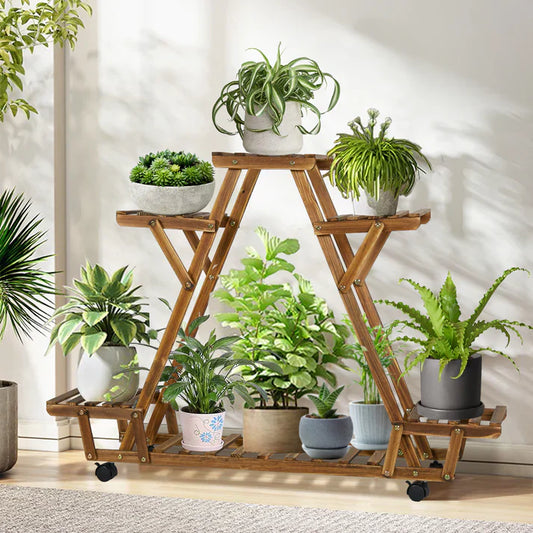
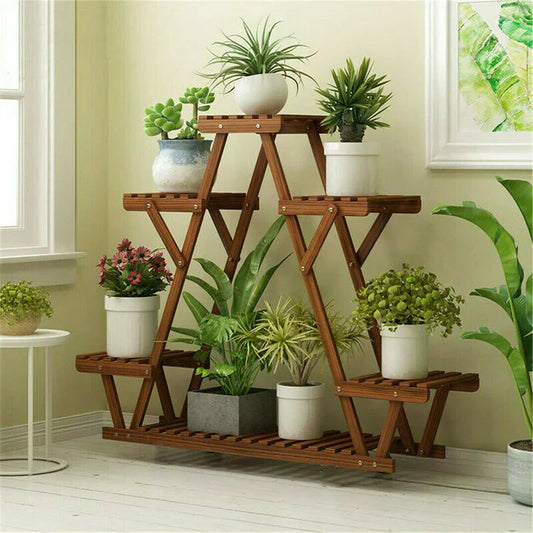

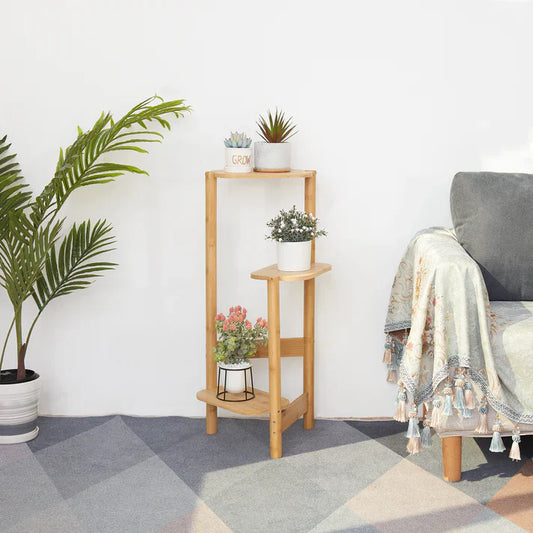


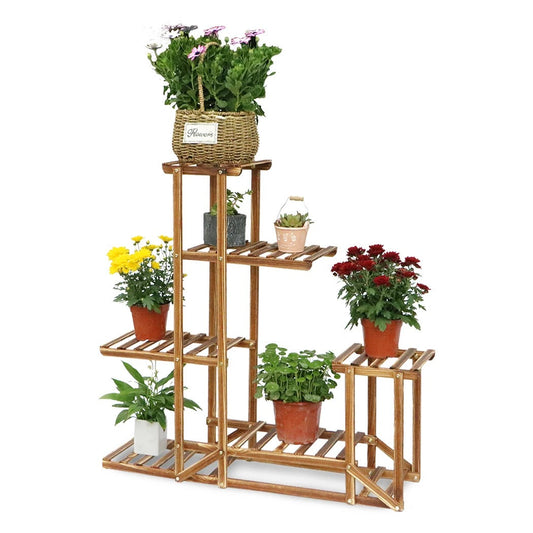

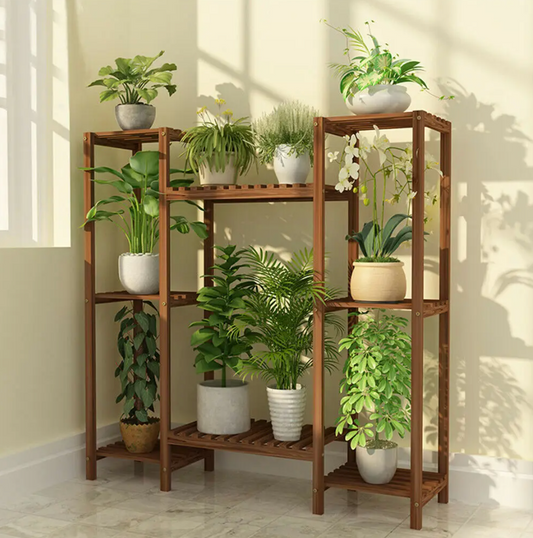


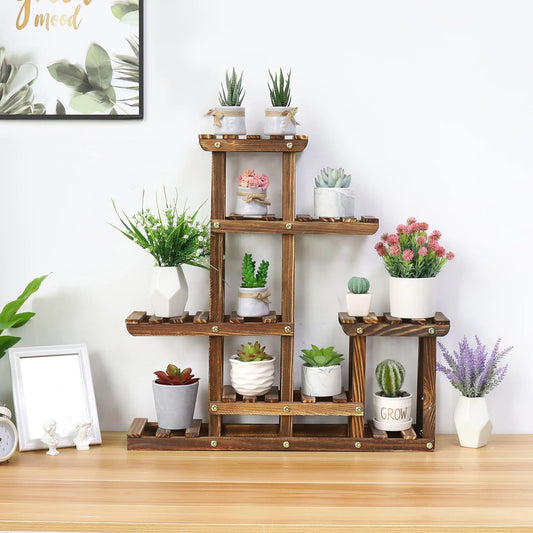

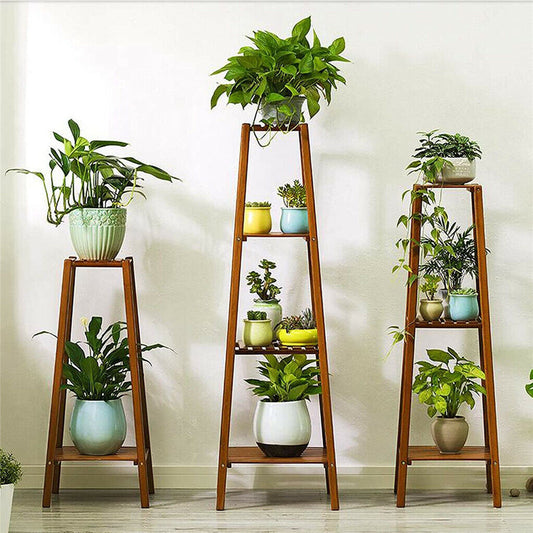








Choosing an Outdoor Plant Stand for Your Space
An outdoor plant stand can organise pots, introduce different display heights and make better use of a balcony, patio, veranda or covered entertaining area. The right design depends on where it will be placed, how exposed that location is and the combined weight of the pots, plants, soil and water.
Metro Elegance offers outdoor plant stands for Australian homes in compact, tall, tiered and multi-pot layouts. Before choosing a design, compare its dimensions, stated capacity, shelf spacing, material and product-specific care instructions. Outdoor conditions vary, so always confirm that the individual product is suitable for the intended level of exposure.
Which Outdoor Plant Stand Is Right for Your Area?
Start by assessing the location. A covered balcony presents different conditions from an uncovered patio, exposed garden edge or coastal property. Consider rain, direct sunlight, humidity, wind, drainage and the surface beneath the stand before selecting a product.
| Outdoor space or requirement | Suitable design | What to check |
|---|---|---|
| Small balcony | Compact tiered or vertical stand | Footprint, railing clearance, wind and walkway space |
| Covered patio or veranda | Multi-level plant shelf or decorative stand | Moisture exposure, drainage and available floor area |
| Several small pots | Tiered outdoor plant stand | Shelf dimensions, spacing and total stated capacity |
| One large feature pot | Low stand with a broad, stable base | Filled pot weight, top dimensions and stability |
| Narrow wall or fence area | Tall stand with a compact footprint | Height, anchoring guidance and wind exposure |
| Uncovered outdoor position | Product confirmed for the intended conditions | Finish, material, weather exposure and care instructions |
Covered and Exposed Outdoor Areas
“Outdoor” can describe many different environments. A sheltered balcony may receive indirect moisture and limited sun, while an uncovered patio can be exposed to regular rain, strong UV and substantial temperature changes. A product that performs well in a covered area is not automatically suitable for permanent exposure to open weather.
Review the specifications and care information for each stand. Do not assume a product is weatherproof, waterproof or rustproof unless this is clearly stated. Where possible, position the stand under cover and avoid locations where water regularly pools around its feet.
Outdoor Plant Stands for Balconies
On a balcony, usable floor area and exposure to wind are often more important than the total number of shelves. Measure the full width and depth of the proposed position, including the space required by leaves extending beyond the pots. Keep doors, drainage outlets and walkways clear.
Avoid placing a tall or top-heavy plant display close to an exposed balcony edge. Larger and heavier pots generally belong on the lower levels when the design permits. Always follow building rules, rental requirements and product guidance relevant to your location.
For a narrow balcony corner, you may also compare compact layouts for otherwise unused corners .
Tiered Outdoor Plant Stands for Multiple Pots
A tiered plant stand can group several pots in one organised display while allowing each plant to remain visible. Graduated levels are useful for combining upright plants, compact pots and trailing foliage without placing everything at the same height.
Count the pots you intend to display and measure their widest points, including saucers. Compare these dimensions with the usable shelf areas rather than relying only on the product photograph. Check the space between levels so that taller plants are not compressed beneath the shelf above.
Weight should be distributed evenly and kept within the product’s stated capacity. A shelf that physically fits a pot may not necessarily be designed for its filled weight.
Metal Outdoor Plant Stands
Metal plant stands can provide a slim profile that suits modern balconies, patios and contemporary outdoor furniture. However, different metals, coatings and finishes can respond differently to moisture and weather exposure.
Look for product-specific information about intended placement and care. Inspect the finish periodically, clean the stand as recommended and address chips or damage promptly where appropriate. Rust resistance should not be assumed unless the product description confirms it.
If a metal frame suits your space, explore streamlined frames for modern plant displays and check each product’s outdoor suitability before ordering.
Wooden Plant Stands in Outdoor Settings
Timber and bamboo can add natural warmth to a patio or sheltered entertaining area, but suitability depends on the individual material, finish and construction. Some wooden products may require protection from ongoing rain, standing water or harsh direct sunlight.
Follow the supplied care instructions and avoid assuming that an indoor timber stand can remain outside permanently. For a natural-looking display, browse warm timber and bamboo styles and confirm the recommended location for the specific design.
Stability for Wind and Heavy Pots
Outdoor displays can be affected by wind, uneven paving and changes in pot weight after watering. Place the stand on a level, stable surface and confirm that all feet make secure contact with the ground. Do not use makeshift packing that could shift or compress.
The relevant weight is the complete filled pot, not the empty container. Include the soil, plant, decorative stones and retained water when evaluating capacity. Use the lowest suitable level for heavier pots and avoid concentrating excessive weight on one side of a tiered stand.
If you need an elevated display, you can compare vertical options with different heights and footprints . Pay particular attention to base width and wind exposure when using a taller design outdoors.
Drainage and Water Management
Outdoor watering can affect both the stand and the surface underneath it. Check that plant saucers do not overflow and that water can drain away from the area. Avoid allowing feet or lower shelves to remain in pooled water.
On tiled balconies and patios, regularly inspect drainage outlets for leaves and loose potting material. On timber decking, use suitable saucers or protective solutions while allowing airflow so that moisture is not trapped against the surface.
How to Measure Before Buying
Measure the available width, depth and height, then check the widest point of each plant and pot. Include the saucer and allow space for future plant growth. For multi-level designs, compare the vertical shelf clearance with the height of the plants you intend to display.
Remember practical access. Leave enough room to remove pots, water the plants and clean around the stand. On balconies, confirm that the arrangement will not obstruct doors, drainage points, railings or required access paths.
Caring for an Outdoor Plant Stand
Care requirements vary by material and finish, so follow the instructions for the individual product. Wipe away water, soil and plant debris before they build up. Check joints, shelves, feet and surface finishes periodically, especially after strong wind or heavy rain.
Moving the stand to a sheltered position during severe weather may help reduce unnecessary exposure, provided it can be moved safely. Lift rather than drag the stand when repositioning it, and remove pots first if their weight makes the complete display difficult to handle.
Using an Outdoor Plant Stand Indoors
Some designs may also suit sunrooms, entryways or indoor living areas, but check the feet and surface condition before placing them on delicate flooring. Clean away outdoor dirt and moisture, use appropriate floor protection and confirm that the stand is stable.
If the display will primarily remain inside, explore options selected for living rooms and apartments .
Outdoor Plant Stand FAQs
Can an outdoor plant stand stay outside all year?
Only leave it outside permanently when the product information confirms that its material, finish and construction are suitable for the intended conditions. Outdoor products should not automatically be treated as waterproof, weatherproof or rustproof.
What type of plant stand is best for a small balcony?
A compact tiered or vertical stand can display several pots while using less floor area. Measure the footprint, allow space for foliage and keep doors, drainage points and walkways clear.
How can I help prevent a metal plant stand from rusting?
Follow the product’s care instructions, remove standing water and dirt, inspect the finish regularly and address surface damage where appropriate. Keeping the stand under cover may reduce exposure, but rust resistance should only be claimed when confirmed by the product specifications.
Can an outdoor plant stand hold heavy pots?
Use a heavy pot only when its complete filled weight is within the product’s stated capacity. Check the shelf dimensions, base width and stability, and place heavier pots on lower levels when the design allows.
Is wood or metal better for an outdoor plant stand?
Neither material is automatically better for every outdoor setting. Compare the product’s intended placement, finish, care requirements, capacity and exposure limits. Select the design whose specifications match your balcony, patio or covered area.
How do I protect a deck or patio underneath a plant stand?
Use suitable saucers, remove excess water and keep drainage paths clear. Avoid trapping moisture against timber or allowing the stand’s feet to remain in pooled water, and use appropriate surface protection where required.
Are tiered outdoor plant stands suitable for multiple pots?
Yes, when the pot dimensions and combined filled weight are within the stand’s stated limits. Check each shelf’s usable area and vertical clearance, distribute weight evenly and keep heavier pots on lower levels where suitable.