
Key Takeaways:
Explore the complete plant stand range to compare dimensions, materials and placement.
- Plant stands emerged during the Victorian era when indoor plant cultivation became fashionable among European upper classes
- The fernery craze of the 1800s drove demand for specialized plant display furniture
- Arts and Crafts movement influenced plant stand designs toward simpler, more functional forms
- Mid-century modern design brought minimalist aesthetics to plant stands with clean lines and organic materials
- Contemporary plant stands blend historical influences with modern materials and compact designs for smaller living spaces
- Different cultural traditions contributed unique plant stand styles, from Asian bamboo designs to European wrought iron
- Today's plant stands serve both practical and aesthetic purposes in Australian homes
If you've ever wondered why plant stands exist as a distinct category of furniture, the answer lies in centuries of indoor gardening history. These pieces that we now take for granted as simple plant display solutions actually represent the evolution of how humans have related to bringing nature indoors across different eras and cultures.
Understanding this history provides context for why plant stands take the forms they do today and how they've adapted to changing home designs and lifestyles. Atexplore solutions for a more organised living area, we recognize that appreciating the historical development of plant stands helps us curate pieces that honour traditional craftsmanship while meeting contemporary Australian living needs.
The Victorian Era and the Birth of Plant Stands
Plant stands as purpose-built furniture emerged prominently during the Victorian era in the mid to late 1800s. This period saw an explosion of interest in indoor plant cultivation among European and American middle and upper classes, driven partly by expanding colonial botanical exploration that introduced exotic plants to Western households.
The Victorian fernery craze particularly influenced plant stand development. Ferns became wildly popular as houseplants, leading to the creation of specialized stands, often called ferneries or fern stands, designed specifically to display these delicate plants. These early stands frequently featured ornate metalwork, typically wrought iron or brass, with decorative scrollwork and elaborate bases that reflected the Victorian aesthetic preference for ornamentation.
Height variation in Victorian plant stands served practical purposes beyond mere decoration. Elevating ferns and other shade-loving plants away from floor-level drafts and positioning them at eye level allowed better appreciation of their delicate fronds. The stands also protected expensive carpets and wooden floors from water damage during plant care.
Social status played a role in plant stand ownership during this period. Displaying exotic plants on elaborate stands signaled wealth and cultural sophistication, as both the plants themselves and the stands to display them represented significant investments. The conservatory or plant room became a status symbol, and plant stands allowed this botanical display to extend into main living areas.
Arts and Crafts Movement Influence
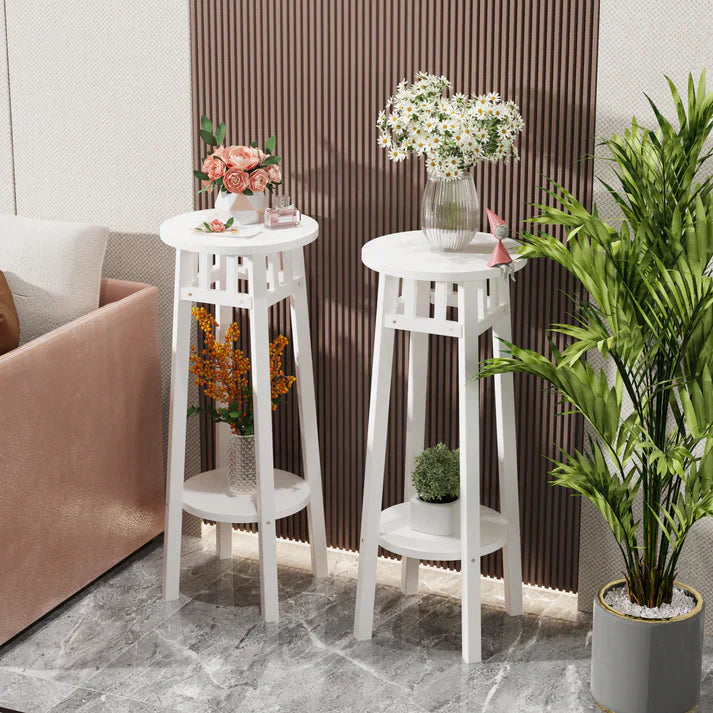
The Arts and Crafts movement of the late 1800s and early 1900s brought a philosophical shift that affected plant stand design. This movement, reacting against industrial mass production and Victorian over-ornamentation, emphasized simpler forms, honest construction, and the beauty of natural materials.
Plant stands from this period began featuring more straightforward designs in wood rather than elaborate metalwork. Oak, mahogany, and other solid timbers became preferred materials, often left in natural finishes that showcased wood grain rather than painted or gilded surfaces. Construction methods emphasized visible joinery and craftsmanship rather than hiding structural elements beneath decorative flourishes.
The movement's emphasis on functionality influenced stand design toward more practical forms. Rather than purely decorative pieces, Arts and Crafts plant stands incorporated features like multiple tiers for displaying several plants, integrated water catchers, and more stable bases suited to everyday use rather than just display.
This period also saw increased interest in Japanese aesthetics in Western design, introducing simpler, more minimalist approaches to plant display that would influence later developments. Bamboo and other Asian materials began appearing in Western plant stands during this cross-cultural exchange.
Early to Mid-20th Century Developments
The early 20th century brought plant stands into more middle-class homes as mass production made them more affordable and accessible. However, the two World Wars temporarily reduced focus on decorative home furnishings as resources went toward war efforts and post-war recovery.
The 1950s and 1960s saw renewed interest in houseplants and the stands to display them, influenced by mid-century modern design principles. This aesthetic favoured clean lines, organic forms, and the integration of indoor and outdoor spaces. Plant stands from this era often featured minimalist metal frames, typically in brass or black iron, supporting simple platforms or planters.
Tapered wooden legs, geometric forms, and the use of teak and other tropical hardwoods characterized mid-century plant stands. The designs reflected broader furniture trends of the period, with plant stands becoming more integrated into overall interior design schemes rather than existing as separate decorative elements.
This period also saw innovation in materials, with the introduction of plastics and other synthetic materials allowing for new forms and colours. While traditional materials remained popular, these alternatives provided options at various price points.
The 1970s Plant Boom
The 1970s brought perhaps the most significant houseplant craze in modern history, driving substantial demand for plant stands and display solutions. This decade saw plants become mainstream home décor elements rather than specialized hobbies, with macramé hangers and tiered plant stands becoming near-ubiquitous in homes across Western countries.
Plant stand designs from this era often featured multiple tiers in triangular or corner configurations to accommodate the growing plant collections many households accumulated. Materials ranged from natural wicker and rattan to painted metal and wood, reflecting the decade's eclectic design sensibilities.
The environmental movement of the 1970s also influenced how people thought about indoor plants and their display. Bringing nature indoors represented more than decoration; it connected to broader cultural values about environmental awareness and natural living. Plant stands facilitated this connection by making plant care and display more manageable in homes not specifically designed for greenery.
Late 20th Century Decline and Resurgence
Interest in houseplants and their associated furniture waned somewhat during the 1980s and 1990s as design trends shifted toward minimalism with less emphasis on decorative objects. Plant stands remained available but received less focus as statement pieces in home design.
However, the late 1990s and early 2000s began seeing renewed interest in houseplants, driven partly by research highlighting their air-purifying properties and benefits for indoor environments. This resurgence started slowly but gained momentum, eventually leading to the substantial houseplant enthusiasm seen in recent decades.
This renewed interest demanded plant stands that worked in contemporary homes, typically smaller than the spacious Victorian houses where plant stands originated. Designs evolved toward more compact footprints, often utilizing vertical space through tall, narrow profiles or corner-fitting configurations.
Contemporary Plant Stand Design
Modern plant stands reflect diverse influences from across their historical development while adapting to current living patterns and design preferences. Understanding how different materials and construction approaches serve various needs helps appreciate the range of contemporary options.
browse display solutions for compact room corners particularly draw on Arts and Crafts and mid-century influences, often featuring clean lines and natural finishes that suit current preferences for organic materials and sustainable design. Bamboo stands especially connect to both historical Asian influences and contemporary environmental consciousness.
Metal stands continue the Victorian tradition of wrought iron work but typically with more restrained ornamentation suited to modern aesthetics. The structural strength of metal allows for tall, slender designs that maximize vertical space in compact homes.
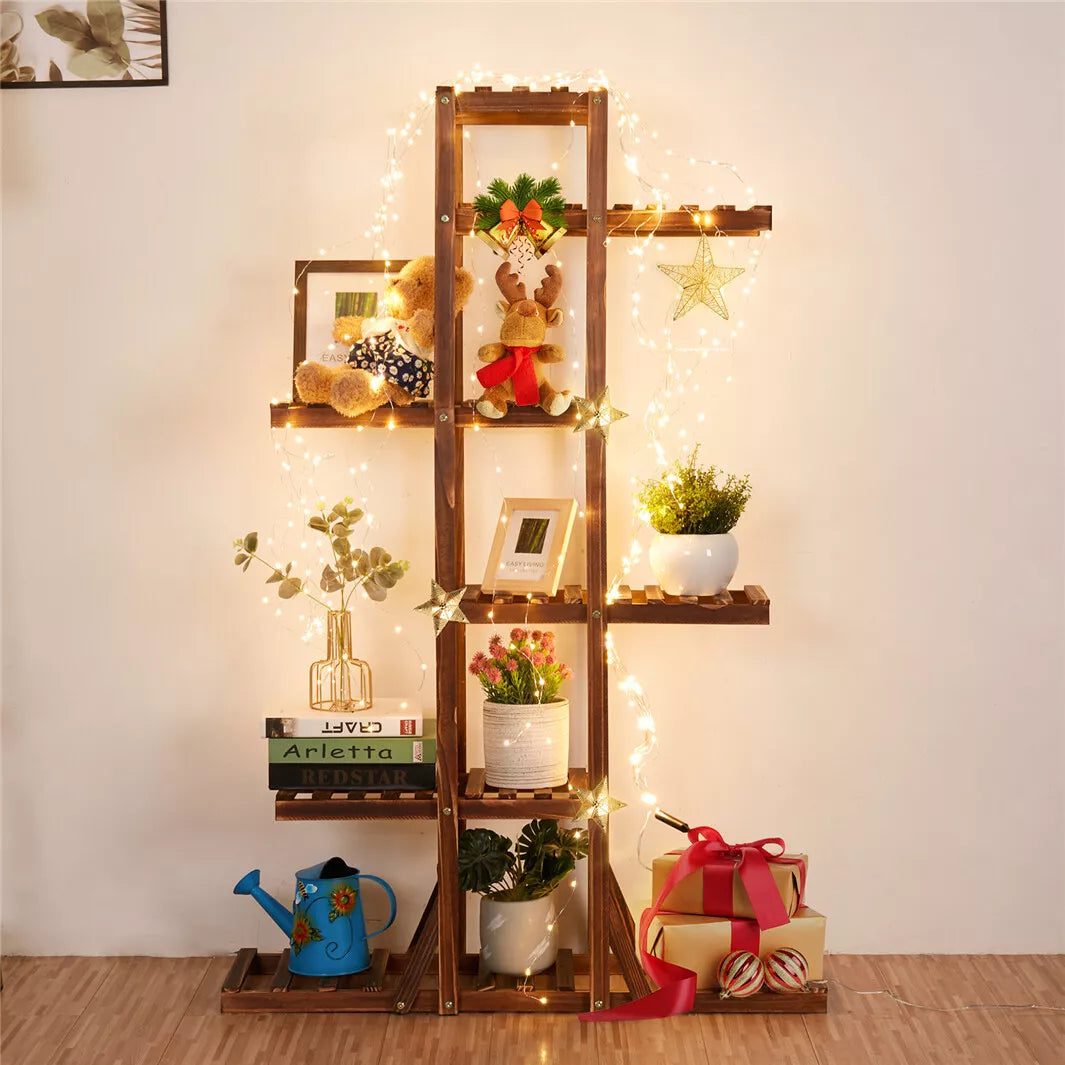
Multi-tiered configurations that became popular in the 1970s remain relevant, adapted for contemporary spaces. Acompare the footprint with your balcony or room layout represents this evolution, combining historical precedent for vertical display with modern corner-fitting designs that work in space-conscious homes.
Cultural Variations in Plant Stand Traditions
While Victorian England significantly influenced Western plant stand development, other cultures developed distinct approaches to plant display that have gradually influenced global design.
Asian traditions, particularly in China and Japan, long emphasized natural materials like bamboo and simple, elegant forms that showcased plants without competing for visual attention. These influences became more prominent in Western design during the late 19th and 20th centuries.
Mediterranean cultures developed their own plant stand traditions, often featuring terracotta and wrought iron in designs suited to courtyard and balcony displays. These influences remain visible in contemporary outdoor plant stand designs.
Understanding these varied traditions helps explain the diversity of plant stand styles available today, as global design exchange has made various historical and cultural approaches accessible to modern consumers.
Plant Stands in Australian Context
Australian homes have their own relationship with plant stands, influenced by climate, housing styles, and cultural preferences. The indoor-outdoor lifestyle common in many Australian regions affects how people use plant stands, with many designs functioning equally well in covered outdoor areas and interior spaces.
The popularity of native Australian plants in home landscapes has influenced plant stand use, with stands accommodating both exotic houseplants and potted natives. Australian design aesthetics, often favouring natural materials and relaxed styling, align well with contemporary plant stand trends toward organic forms and understated elegance.
Space considerations in Australian urban apartments and townhouses have driven interest in compact, vertical plant stand designs that maximize limited floor space. Learning effective strategies for displaying plants in compact Australian living environments has become increasingly relevant as housing density increases in major cities.
The Role of Social Media and Contemporary Trends
Recent decades have seen social media platforms significantly influence houseplant enthusiasm and consequently plant stand demand. Visual platforms particularly have driven renewed interest in creating photogenic plant displays, with plant stands playing key roles in these styled arrangements.
This influence has led to increased diversity in plant stand designs, catering to varied aesthetic preferences from industrial metal frames to bohemian rattan styles. The ability to share and discover plant display ideas globally has accelerated design evolution and cross-cultural exchange.
However, beneath these trend-driven variations, the fundamental functions of plant stands remain consistent with their historical purposes: elevating plants for better viewing, protecting floors from water damage, and accommodating multiple plants in limited space.
Sustainable and Eco-Friendly Developments
Contemporary plant stand development increasingly considers environmental impact, reflecting broader sustainability concerns in furniture design. This has led to increased use of sustainably sourced timber, bamboo (which grows rapidly compared to traditional hardwoods), and recycled metals.
The durability emphasis in modern plant stand construction also serves sustainability goals. Well-constructed stands that last for years or decades reduce consumption compared to cheaply made alternatives requiring frequent replacement. Learning how to properly care for and maintain plant stands extends their functional life and reduces waste.
This sustainability focus connects back to Arts and Crafts movement principles emphasizing quality construction and honest materials, demonstrating how historical design philosophies remain relevant to contemporary concerns.
Integration with Modern Interior Design
Unlike Victorian plant stands that often existed as separate decorative elements, contemporary stands increasingly integrate into cohesive interior design schemes. They coordinate with other furniture materials and styles rather than standing apart as specialized plant furniture.
This integration reflects how houseplants have shifted from specialized hobby to mainstream home décor element. Plant stands now need to function as furniture pieces that happen to display plants rather than as plant-specific items that happen to occupy space in homes.
The variety of materials, finishes, and styles available in modern plant stands facilitates this integration, allowing selection of pieces that genuinely complement existing furniture. Acheck fit and placement details before choosing can coordinate with timber furniture in living rooms, while metal stands suit more industrial or contemporary aesthetics.
Looking Forward While Honouring History
The evolution of plant stands demonstrates how functional furniture adapts to changing lifestyles, technologies, and aesthetic preferences while maintaining core purposes. Today's plant stands serve the same fundamental functions as their Victorian predecessors - elevating plants, protecting floors, and facilitating plant care - but do so in forms suited to contemporary homes and lives.
At Metro Elegance, our approach to curating plant stands acknowledges this historical development. We select pieces that honour traditional craftsmanship and materials while meeting the practical needs of modern Australian living. Whether someone prefers the ornate detail reminiscent of Victorian designs or the clean minimalism of mid-century influences, understanding historical context helps in selecting stands that genuinely suit their preferences and needs.
The current houseplant enthusiasm connects to a long tradition of bringing nature indoors and displaying it thoughtfully. Plant stands have facilitated this connection for over a century and a half, evolving continuously while maintaining their essential purpose.
As housing continues evolving, particularly toward smaller urban dwellings, plant stands will undoubtedly continue adapting. However, the fundamental human desire to live with plants and display them attractively ensures plant stands will remain relevant furniture pieces for the foreseeable future.
Ready to find a plant stand that connects historical craftsmanship with contemporary design suited to your Australian home? Understanding how plant stands evolved helps identify which styles and materials genuinely resonate with your aesthetic preferences and practical needs.
Curious about which plant stand styles and materials work for your specific space and design preferences? Contact us and we'll help you find options that honour the rich history of plant stands while perfectly suiting your contemporary lifestyle.
Frequently Asked Questions
When were plant stands first used in homes?
Plant stands emerged as distinct furniture pieces during the Victorian era in the mid-1800s, coinciding with increased interest in indoor plant cultivation among European and American middle and upper classes. The fernery craze of this period particularly drove demand for specialized plant display furniture. However, humans have likely elevated plants for display purposes in various forms for much longer, with Victorian-era stands representing when this practice became codified into specific furniture categories.
What materials were traditional plant stands made from?
Victorian-era plant stands typically featured wrought iron or brass with ornate decorative metalwork. As the Arts and Crafts movement gained influence in the late 1800s and early 1900s, solid wood stands in oak, mahogany, and other hardwoods became more common. Mid-20th century designs incorporated materials like teak, brass, and eventually plastics. Contemporary stands use diverse materials including bamboo, various metals, sustainable timber, and combinations thereof.
Why did plant stands become popular in the Victorian era?
Several factors drove Victorian-era plant stand popularity. Colonial botanical exploration introduced exotic plants to Western households, creating demand for ways to display them. Ferns particularly became fashionable, spurring specialized fern stand development. Plant stands also served practical purposes like protecting expensive carpets and floors from water damage while elevating plants away from drafts. Additionally, displaying exotic plants on elaborate stands signaled wealth and cultural sophistication, making them status symbols.
How have plant stand designs changed for modern homes?
Modern plant stands adapt to smaller living spaces common in contemporary homes, particularly urban apartments and townhouses. Designs often emphasize vertical space utilization through tall, narrow profiles and corner-fitting configurations. Contemporary stands also integrate better with overall interior design schemes rather than existing as separate decorative elements. Materials and finishes now coordinate with other furniture, and construction emphasizes durability and sustainability over purely decorative concerns.
Do different cultures have distinct plant stand traditions?
Yes, various cultures developed unique plant display approaches. Asian traditions, particularly Chinese and Japanese, emphasized bamboo and simple forms that showcased plants without visual competition. Mediterranean cultures often featured terracotta and wrought iron in designs suited to courtyard displays. Western Victorian traditions favoured ornate metalwork and elaborate decorative elements. Global design exchange has made these varied approaches available worldwide, contributing to the diversity of contemporary plant stand styles.
What influenced the 1970s plant stand boom?
The 1970s houseplant craze drove substantial plant stand demand as plants became mainstream décor elements rather than specialized hobbies. Environmental movement values about bringing nature indoors influenced this trend. Multi-tiered stands became popular to accommodate growing plant collections, with materials ranging from natural wicker and rattan to painted metal and wood reflecting the decade's eclectic design sensibilities. This period made plant ownership and display more accessible to average households.
Are modern plant stands influenced by historical designs?
Contemporary plant stands reflect diverse influences from across their development history while adapting to current needs. Wooden stands often draw on Arts and Crafts and mid-century influences with clean lines and natural finishes. Metal stands continue Victorian wrought iron traditions with more restrained ornamentation. Multi-tiered configurations popular in the 1970s remain relevant in adapted forms. Modern designs blend these historical influences with contemporary materials and compact profiles suited to smaller living spaces.