Key Takeaways
- Humidity affects plant stand materials differently - timber swells and warps, untreated metal corrodes, and MDF or particleboard can lose structural integrity relatively quickly in sustained moisture conditions.
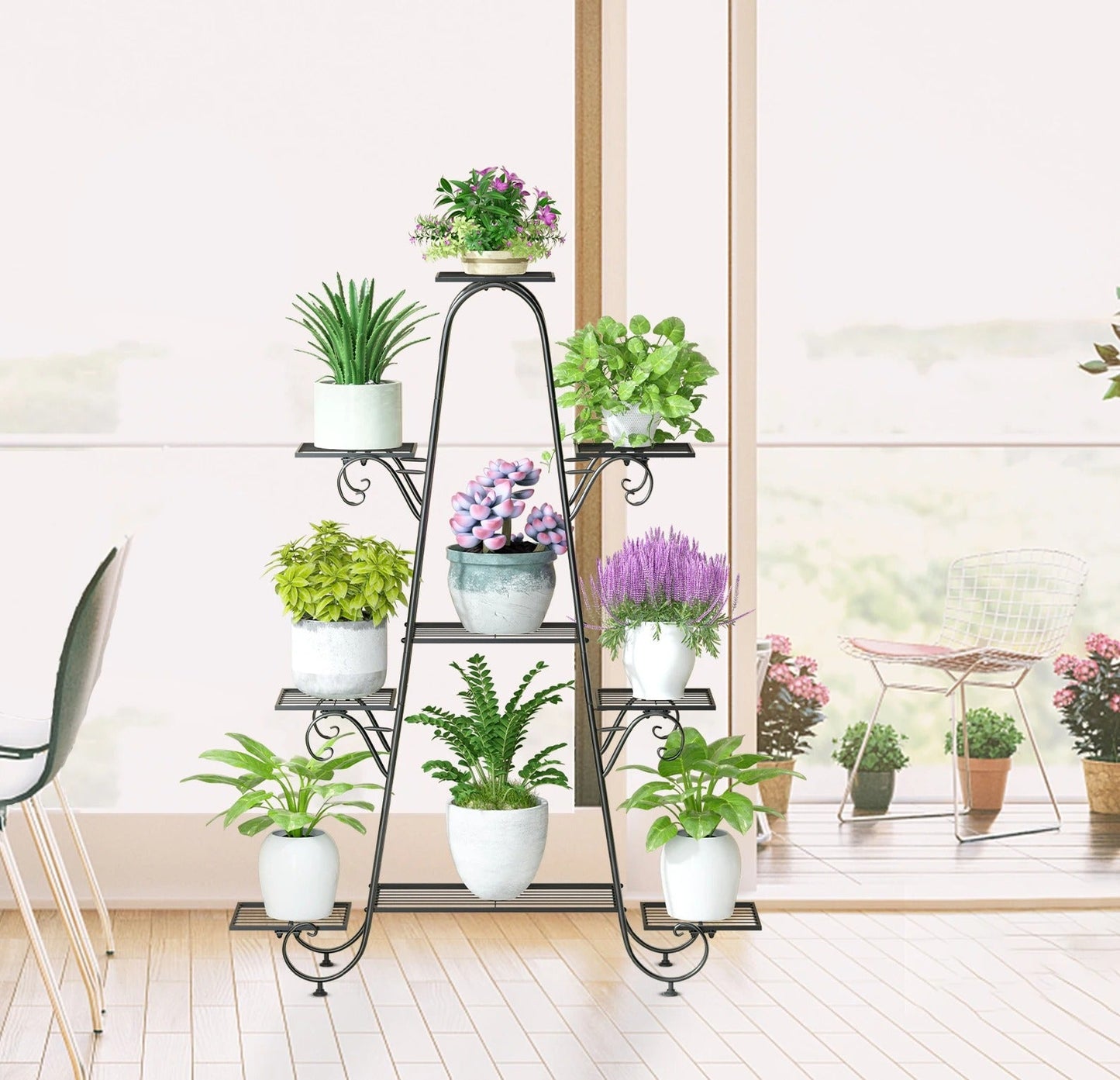
- Powder-coated steel and carbonised or sealed bamboo are among the more reliable material choices for humid indoor settings like bathrooms, tropical living areas, and coastal homes.
- The source of humidity matters - standing water from watering is more damaging to stand materials than ambient air humidity, and both need to be considered when choosing a stand.
- Surface treatment quality is as important as the base material - the same timber or metal can perform very differently depending on how well it has been finished and sealed.
- Regular maintenance, including pot saucers, moisture barriers, and periodic resealing, extends the life of any stand in a humid environment.
- Metro Elegance carries plant stands in materials suited to humid Australian conditions, with free shipping Australia-wide.
Humidity is one of those factors that gets overlooked when people choose a plant stand, and it tends to reveal itself at the worst possible time - six months in, when the surface of a timber shelf starts to bubble, or a year later when the base of a metal frame shows its first rust patches.
The oversight is understandable. When you are choosing a stand, you are thinking about aesthetics, size, and price. The moisture environment the stand will live in is less visible as a consideration until something goes wrong.
But in Australia, humidity is a very real variable for a large proportion of plant enthusiasts. Bathrooms and kitchens, where low-light plants like pothos, ferns, and peace lilies thrive, have ambient humidity well above the rest of the house. Tropical regions of Queensland, the Northern Territory, and coastal Western Australia create sustained outdoor and semi-outdoor humidity conditions that most plant stands were not designed to handle indefinitely. And even in temperate southern states, the combination of indoor plant watering and reduced winter ventilation creates localised humidity around plant collections.
Getting the material choice right from the start - and understanding what to look for in a stand that will hold up in your specific humidity conditions - is worth the extra thought before purchasing.
How Humidity Actually Damages Plant Stands
Understanding the mechanism of humidity damage helps clarify which materials are more or less vulnerable and why surface treatments matter so much.
Timber responds to moisture through a process called hygroscopic movement. Wood absorbs water vapour from the air and from direct contact, which causes the fibres to swell. When it dries, it contracts. Repeated cycles of swelling and contraction cause surface cracking, joint loosening, and eventual structural deterioration. In a consistently humid environment without adequate sealing, this process accelerates and the timber never fully dries between watering cycles.
Dense hardwoods are more resistant to this movement than softwoods because their tighter grain absorbs moisture more slowly. But no timber is immune without surface treatment, and the quality of that treatment - how completely it seals the surface, how UV-stable it is, and how long it maintains its integrity before reapplication is needed - determines how long the stand holds up in humid conditions.
Metal - specifically steel and iron - reacts with moisture and oxygen through electrochemical corrosion, the process that produces rust. In humid conditions, even small amounts of surface moisture on bare or inadequately coated steel create the conditions for corrosion to begin. The areas most vulnerable are weld points, frame joints, surface chips or scratches, and base feet in contact with wet ground or flooring.
MDF and particleboard are among the most humidity-vulnerable materials used in furniture construction. These engineered wood products are made from compressed wood fibres and adhesive, and they absorb moisture rapidly through exposed surfaces and cut edges. In humid conditions, they swell, lose structural rigidity, and the surface layer separates from the substrate - a process that, once begun, is difficult to reverse and tends to progress until the shelf or platform is no longer functional.
Bamboo has a more complex relationship with humidity. Untreated bamboo absorbs moisture and can develop mould or surface discolouration in consistently humid conditions. However, well-constructed bamboo - particularly carbonised or sealed bamboo - handles moderate humidity considerably better than untreated versions. The carbonisation process creates a surface that is denser and less porous, slowing moisture absorption meaningfully.
High-Humidity Settings in Australian Homes and What They Require
Bathrooms are the most extreme indoor humidity environment in most homes. Shower steam creates repeated spikes of very high humidity, surfaces stay damp after use, and ventilation is often limited. Plant stands in bathrooms need to be either fully moisture-resistant (powder-coated metal or sealed bamboo with no MDF components) or positioned well away from direct water spray and given adequate ventilation to dry between humidity events.
Kitchens present similar challenges around the cooktop and sink, though generally with less intense steam than a bathroom. Stands near the sink or cooktop are exposed to more moisture than those on the other side of the room. The practical approach is to choose moisture-tolerant materials and use pot saucers consistently to prevent water from pooling on the shelf surface.
Tropical regions - Queensland, the Northern Territory, coastal Western Australia - create ambient outdoor and semi-outdoor humidity conditions that are genuinely demanding for plant stand materials. During the wet season in tropical areas, outdoor humidity can be sustained at very high levels for weeks or months at a time. Stands in these environments need the most robust material combinations - powder-coated or galvanised metal, or carbonised timber with quality outdoor sealant - and benefit from regular maintenance to preserve surface integrity.
Coastal zones add salt to the humidity equation. In homes within several kilometres of the coast, ambient salt from sea spray deposits on surfaces and, in the presence of humidity, accelerates corrosion on metal and surface degradation on timber. Coastal humid environments are the most demanding combination for any outdoor or semi-outdoor plant stand material.
High-humidity indoor collections in any climate zone create localised humidity around the plants themselves through transpiration and evaporation from the potting mix. A dense collection of large tropical plants in a living room creates a micro-environment that is meaningfully more humid than the rest of the room, particularly in a poorly ventilated space in summer. Stands at the centre of these collections are exposed to conditions closer to tropical indoor humidity than standard domestic indoor air.
Material-by-Material Assessment for Humid Conditions
Powder-coated steel performs reliably in humid indoor environments when the coating is complete and undamaged. It does not absorb moisture, the powder coat creates a consistent barrier over the steel surface, and it is easy to wipe down to remove accumulated moisture. Its vulnerability is at coating chips, scratches, and weld points where the steel surface is exposed. In bathroom or tropical conditions, the base feet are the highest-risk area - rubber or plastic end caps are worth checking for before purchasing.
In coastal humid conditions, a heavier powder coat and regular surface maintenance are both important for extending the stand's service life. Stainless steel, where available, eliminates the corrosion risk at a higher cost and with a more limited aesthetic range.
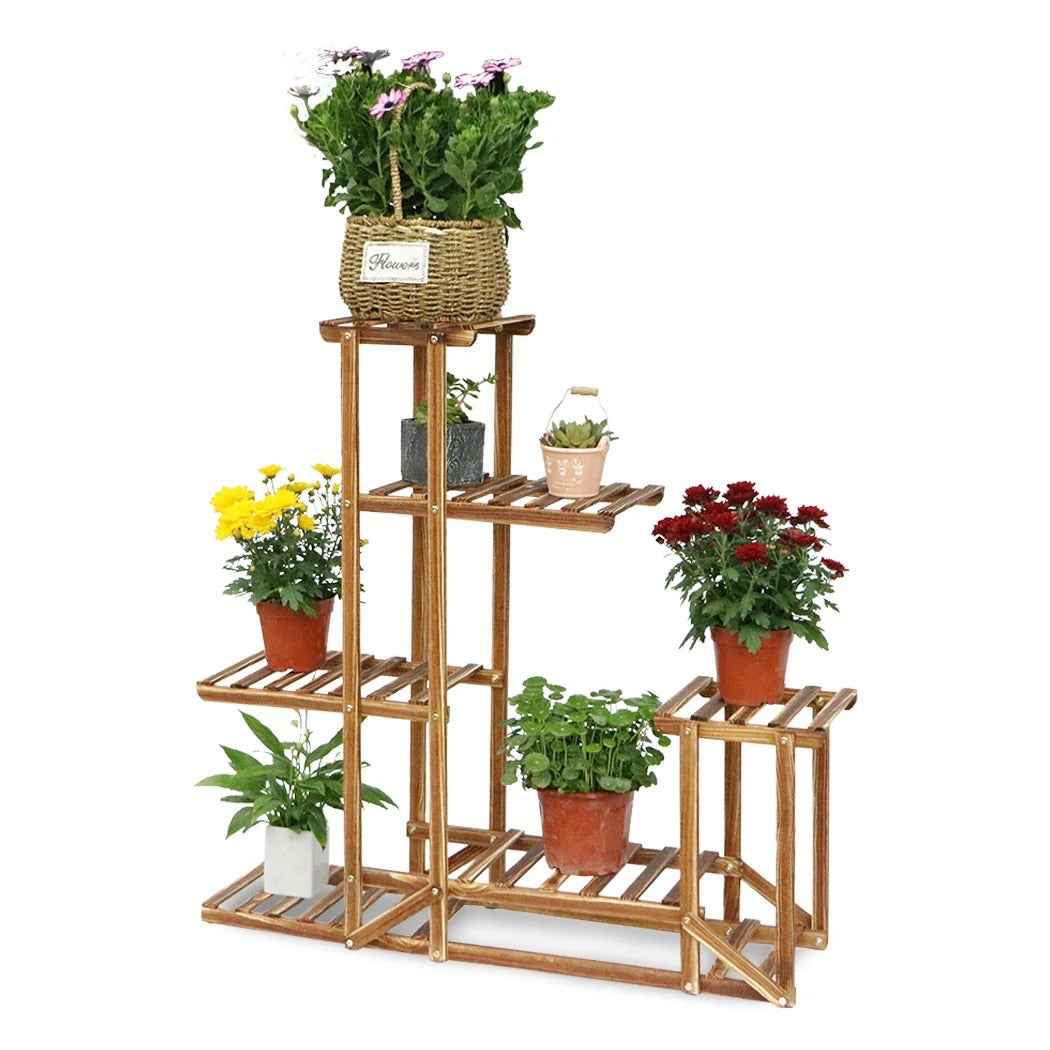
Carbonised bamboo is a meaningfully more humidity-tolerant option than standard bamboo for indoor humid settings. The heat treatment process creates a denser surface that absorbs moisture more slowly than untreated bamboo and resists the surface mould that can develop on standard bamboo in consistently humid conditions. For bathrooms with good ventilation, kitchens, and humid tropical interiors, carbonised bamboo stands are a practical and visually warm option.
Standard, untreated bamboo is not a reliable choice for sustained humid conditions. It should be considered an indoor dry-environment material rather than a broadly versatile one.
Solid timber with quality sealant can perform well in moderate humidity when the sealing is thorough and maintained. Pine and hardwood stands with a quality oil or polyurethane-based outdoor finish resist moisture penetration significantly better than untreated timber. The key word is maintained - the sealant layer needs periodic reapplication as it weathers and thins over time. In a bathroom or consistently humid space, the reapplication interval will be shorter than in a dry indoor setting.
MDF and particleboard should be avoided entirely in humid environments. These materials are fundamentally incompatible with sustained moisture exposure, and no surface treatment makes them reliably durable in bathroom, tropical, or coastal conditions. If a stand's shelf platforms or structural elements are MDF, it is not the right choice for a humid setting regardless of how the rest of the stand is constructed.
Stand Design Features That Help in Humid Environments
Beyond material choice, certain design features make a stand more practical and durable in humid conditions.
Open shelf platforms - slatted, mesh, or widely spaced designs - allow moisture to drain and air to circulate rather than pooling on the shelf surface. A solid shelf platform holds water under pot saucers and around the base of pots, keeping the surface in sustained contact with moisture. An open or slatted platform allows water to pass through and air to reach the surface, drying it out between watering events.
Wide, rubber-footed bases keep the stand off wet floor surfaces and prevent direct moisture wicking into the base of the frame. Narrow metal feet in direct contact with wet bathroom tiles or outdoor humid surfaces are the most vulnerable point of any stand in these conditions.
Minimal hidden surfaces and joints reduce the areas where moisture accumulates undetected. Stands with simple, open construction dry more quickly and allow easier inspection of any surfaces where corrosion or surface deterioration might begin.
Options from Metro Elegance for Humid Environments
When we look at our range with humid conditions specifically in mind, a few designs stand out for their material and construction suitability.
The Multi-Tier Carbonised Wooden Flower Rack Display Stand uses carbonised wood construction throughout, which addresses the main humidity vulnerability of standard timber. The darker carbonised finish also suits contemporary interiors well and suits both kitchen and living area settings where a warm material aesthetic is preferred over metal.
For a metal option with explicit moisture-resistance design, the 2-Piece Rustproof Metal Plant Stands with 4-Tier Display Racks are constructed with outdoor and high-moisture settings in mind. The rustproof construction extends their reliability into indoor humid settings like bathrooms and tropical living areas as well as outdoor use.
The 11-Tier Carbonised Wood Plant Stand with Extra Wide Pot Display combines the humidity-tolerance of carbonised timber with a wide-format display capacity suited to plant collections in tropical or humid Australian homes. The wide shelf format also reduces the likelihood of pot overflow reaching the timber surface compared to narrow-shelf alternatives.
Our indoor plant stand collection includes options across materials suited to different humidity levels, and our wooden and bamboo plant stand range is worth browsing specifically for carbonised and sealed timber options appropriate to humid settings.
Practical Habits That Protect Any Stand in a Humid Environment
The right material choice is the foundation, but a few practical habits extend the life of any stand in humid conditions significantly.
Always use pot saucers under every pot on the stand. This is the single most effective step for reducing moisture contact between the pot base and the shelf surface. Saucers collect drainage water and keep it away from the stand material. Empty saucers after watering to prevent standing water sitting under the pot for extended periods.
Place a waterproof felt or rubber mat between the saucer and the shelf surface on timber and bamboo stands. This creates an additional moisture barrier and prevents the saucer from marking or staining the shelf surface over time.
Ensure adequate ventilation in the room where the stand is placed. Airflow is one of the most effective ways to reduce localised humidity around a plant collection. Opening windows regularly, using a ceiling fan, or positioning a small fan to circulate air through the collection all reduce the sustained humidity that stands are exposed to between watering cycles.
Inspect the stand periodically - at least every few months in high-humidity settings - for early signs of surface deterioration. Catching surface rust on metal, early mould on bamboo, or beginning surface lift on timber at the earliest stage means a simple surface treatment rather than a replacement.
Our post on how to maintain wooden plant stands in humid or rainy conditions covers timber-specific maintenance in more detail, and our post on the practical reasons why elevating plants on a proper stand makes a difference is worth reading for context on why proper stand choice supports plant health alongside stand longevity. For readers in coastal humid zones specifically, our post on the best materials for outdoor plant stands in coastal Australian areas covers the intersection of humidity and salt air in detail.
Getting the Right Match for Your Environment
At Metro Elegance, we take the practical side of plant stand selection seriously - not just how a stand looks, but how it performs in the real conditions of Australian homes. Humidity is one of the most common factors that shortens the life of plant stands that were not chosen with the environment in mind, and it is entirely avoidable with the right material and construction choice from the start.
If you are setting up a plant display in a bathroom, a tropical home, a coastal property, or any other high-humidity environment and want a recommendation before purchasing, we are glad to help. Get in touch through our contact page and we will point you toward the option best suited to your specific conditions.
Frequently Asked Questions
What is the best plant stand material for a bathroom?
Powder-coated steel and carbonised bamboo are the most reliable choices for bathrooms. Both handle the ambient humidity and steam exposure that bathrooms generate better than untreated timber, MDF, or standard bamboo. Ensure the stand has rubber or plastic base feet to prevent direct moisture contact between the frame and the floor.
Can wooden plant stands be used in humid environments?
Solid timber with a quality sealant or oil finish can perform adequately in moderately humid environments, particularly with regular maintenance and pot saucers to prevent standing water on the shelf surfaces. Untreated timber, MDF, and particleboard are not appropriate for sustained humid conditions. Carbonised wood performs better than standard timber in humidity due to its denser surface treatment.
Do bamboo plant stands hold up in tropical climates?
Standard bamboo is not reliable in sustained tropical humidity conditions. Carbonised bamboo - which has been heat-treated to create a denser, less porous surface - performs considerably better and is the more appropriate choice for tropical Australian homes. Regular inspection for surface mould and periodic resealing extend the life of bamboo stands in these conditions.
What plant stand material is most resistant to rust in humid conditions?
Powder-coated steel is the most practical rust-resistant choice at an accessible price point. Stainless steel offers better corrosion resistance but is less commonly available in the decorative plant stand category. The coating quality matters as much as the material type - a thick, complete powder coat on well-prepared steel outperforms a thin coat, particularly at weld points and base feet.
How do I protect a plant stand from humidity damage?
Use pot saucers consistently to prevent water pooling on shelf surfaces. Place a waterproof mat between the saucer and the shelf on timber and bamboo stands. Ensure adequate room ventilation to reduce localised humidity. Inspect the stand periodically for early signs of surface deterioration. Reseal timber stands as required. Address any metal coating chips or scratches promptly with rust-inhibiting paint.
Is MDF safe to use in a humid room?
MDF is not appropriate for humid rooms. It absorbs moisture through exposed surfaces and edges, swells, loses structural rigidity, and deteriorates relatively quickly in sustained humidity. No surface coating makes MDF reliably durable in bathroom, tropical, or coastal conditions. If a stand has MDF components, it is not a suitable choice for any high-humidity setting.
Does humidity affect plant stand stability?
Yes, over time. Timber stands in humid conditions can experience joint movement as the wood swells and contracts through moisture cycles, which can loosen the connections between frame elements and reduce overall rigidity. Metal stands with surface rust at weld points can also experience joint weakening as corrosion progresses. Both issues are manageable with appropriate material choice and regular maintenance.