
Creating a lush indoor jungle is one of the biggest home styling trends in Australia right now. With our love of open, sunlit spaces and nature-inspired interiors, Aussies are increasingly turning their homes into green retreats. But here’s the secret: it’s not just about owning lots of plants—it’s about how you display them. Mixing and matching plant stands of different styles, materials, and heights is the key to achieving that perfectly layered, organic look that feels both natural and curated.
At Metro Elegance AU, we specialise in beautifully crafted pieces that help transform your greenery into art. Our indoor plant stand collection and full plant stand range are made to suit Australian lifestyles, combining durability, function, and timeless style. Here’s how to build your own layered plant display that looks straight out of an interior design magazine.
Why Layering Matters in Plant Styling
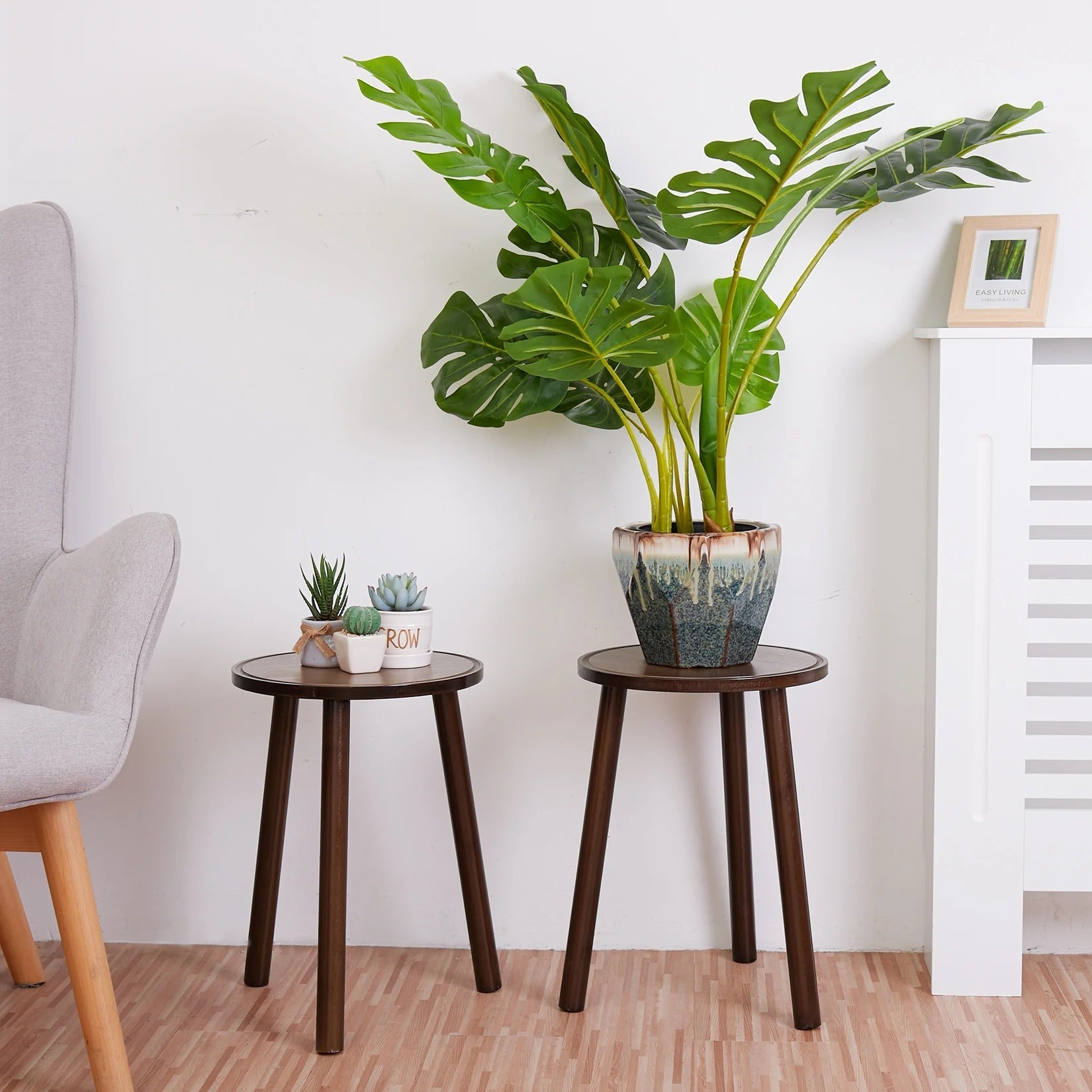
Layering isn’t just about filling space—it’s about creating depth and rhythm. By mixing stands of different heights and materials, you give your room visual texture. Plants at different levels catch the light differently, making the space feel dynamic and alive.
Think of it like designing a garden indoors: tall trees in the back, medium plants in the middle, and smaller accents at the front. This principle works just as beautifully in your living room, bedroom, or even hallway.
Step 1: Mix Heights for Dimension
Using plant stands of different heights keeps your display interesting and avoids a flat, cluttered look. Start with one or two tall stands as your anchors—perfect for statement plants like fiddle-leaf figs or monsteras. Then add mid-height and shorter stands to build the layers around them.
For instance, the Tall Bamboo Wood Corner Plant Rack is an ideal starting point. Its vertical design fits neatly into corners and makes even tight spaces feel lush. It’s also lightweight, making it easy to move when you want to change your setup.
Step 2: Mix Materials for Texture
Combining different materials adds richness and contrast to your display. Wooden stands add warmth, bamboo introduces a natural calm, and metal or white finishes bring a modern edge. For example, pair a rustic wooden stand with a white metal shelf for a Scandi-inspired vibe that feels clean but cosy.
Our Multiple Flower Pots Holder Wooden Plant Stand is a great piece for introducing natural tones to your décor. It holds multiple pots at varying levels, giving your plants room to breathe and adding a layered garden-like feel even in smaller spaces.
Step 3: Use Corners and Empty Walls Creatively
Corners and walls are often underused in Australian homes, yet they’re ideal for building vertical greenery. Corner stands and tiered racks make it easy to display several plants without crowding your floor. You can also combine a tall corner rack with a small floor stand and a hanging planter to create a cascading effect.
Try a piece like the White Boxwood Modern Minimalist Garden Plant Shelf if you’re after a crisp, contemporary look. Its clean white finish brightens any room and works perfectly in open-plan spaces, home offices, or apartments with modern interiors.
Step 4: Balance Shapes and Proportions
When mixing plant stands, aim for balance. If one piece has curved lines, pair it with something more geometric for contrast. Avoid clustering too many stands of the same height or width together—variation creates harmony.
In living rooms, start with a taller piece near a window, place a medium stand beside your sofa, and a small one on the opposite side. This staggered arrangement draws the eye naturally across the room.
Step 5: Choose Plants that Complement Each Other
Your stands and plants should work together as a team. Mix tall leafy plants with compact ones, and add some trailing greenery for movement. Australian favourites like ferns, philodendrons, and string of pearls look stunning when layered.
Use tall stands for plants that need more light, like rubber plants, and lower ones for shade-loving species. This not only looks good but also keeps your plants healthier.
Step 6: Create Flow with Colour and Finish
Consistency is key to pulling your look together. Choose stands that share a common element—like matching wood tones or similar leg shapes—but differ in height and texture. This keeps your jungle cohesive rather than chaotic.
You can even coordinate your pots with your stands. White, terracotta, and matte finishes pair beautifully with bamboo and wooden frames, giving your display a soft, earthy vibe that feels right at home in the Australian aesthetic.
Step 7: Don’t Forget Functionality
The best plant stands aren’t just stylish—they’re practical. Look for stands that are easy to clean, sturdy enough for heavy pots, and made from materials suited to your climate. In humid coastal areas, bamboo and metal are ideal; in cooler regions, wood adds warmth and cosiness.
The stands from Metro Elegance AU are designed with these needs in mind—durable, adaptable, and perfect for both everyday living and elegant styling.
Final Thoughts
Mixing and matching plant stands is one of the simplest ways to create a truly layered, natural indoor jungle. By combining different heights, materials, and shapes, you can turn your living space into a peaceful retreat filled with texture and light.
Explore browse options for functional contemporary interiors’s indoor plant stand collection and full plant stand range to find the perfect mix for your home. Standout favourites like the Tall Bamboo Wood Corner Plant Rack, Multiple Flower Pots Holder Wooden Plant Stand, and White Boxwood Modern Minimalist Garden Plant Shelf make it easy to style a display that feels layered, lively, and uniquely yours. Whether you’re designing a serene bedroom corner or a vibrant living room feature, the right combination of plant stands can bring your own indoor jungle to life—Aussie style.