
As the weather warms up and daylight stretches a little longer, spring and summer become the perfect seasons to refresh your home with greenery. At Metro Elegance, we see this time of year as an opportunity to rethink how plants are displayed, not just what plants you choose. The right plant stand can instantly lift a room, improve plant health, and help you make the most of your available space.
Compare materials, heights and layouts in our Plant Stands collection.
Australia’s climate brings its own considerations, from bright indoor light to balconies and patios that cop a fair bit of sun. In this guide, we share our considered recommendations for choosing plant stands that suit spring and summer living, along with practical styling advice drawn from what our customers use most in real homes.
Key takeaways
- Spring and summer are ideal seasons to introduce layered plant displays using plant stands
- Material choice matters in Australia due to light, humidity, and temperature changes
- Multi-tier and vertical stands help maximise space and light exposure
- Indoor and outdoor plant stands serve different purposes and need different features
- Choosing the right height and layout improves both aesthetics and plant wellbeing
Why plant stands matter more in spring and summer
Plants naturally grow more vigorously during warmer months, and that growth needs space, light, and airflow. A well-chosen plant stand helps elevate pots off the floor, allowing sunlight to reach leaves more evenly while also reducing moisture build-up underneath.
From a design perspective, plant stands introduce vertical interest. Instead of clustering pots on the ground, you can create levels that feel lighter and more intentional. This is particularly helpful in Australian homes where open-plan living areas and balconies benefit from visual structure without feeling crowded.
At Metro Elegance, we design and curate plant stands that balance structure with simplicity, so your plants remain the focus while your space feels cohesive and calm.
Choosing the right plant stand material for warmer months
Wooden plant stands for a natural seasonal look
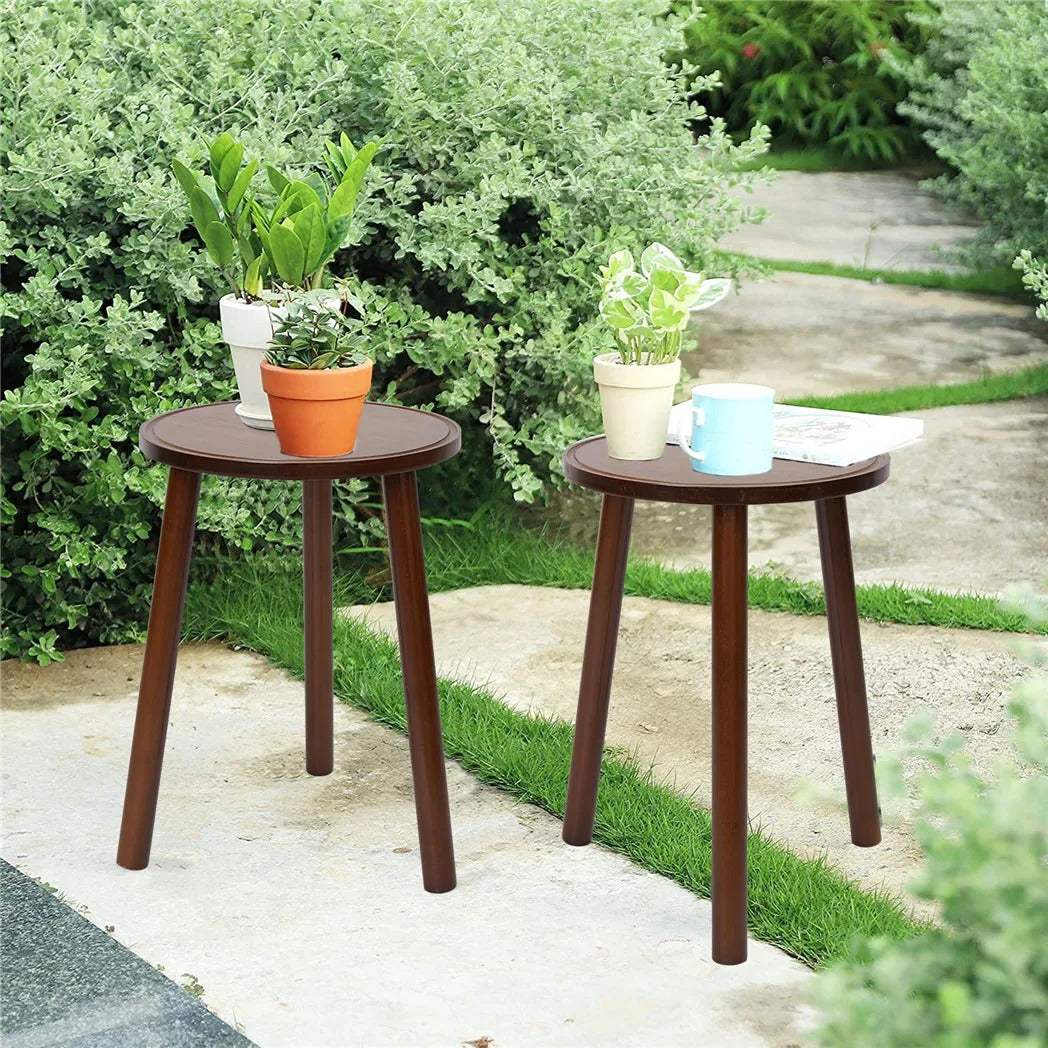
Wooden plant stands remain a favourite for spring and summer because they echo the organic feel of greenery. Light-toned timber and bamboo designs work especially well in bright interiors and shaded outdoor areas.
If you are styling a living room, sunroom, or covered balcony, our wooden plant stands offer a warm, relaxed look that pairs beautifully with leafy plants and trailing vines. Wood also works well when you want your greenery to feel like part of the furniture rather than a decorative afterthought.
For inspiration on pairing timber stands with greenery, our guide on best indoor plants to pair with wooden plant stands explores combinations that suit Australian homes.
Metal plant stands for durability and airflow
Metal plant stands are practical for warmer seasons, especially in areas exposed to higher humidity or fluctuating temperatures. Powder-coated and rust-resistant finishes are easier to maintain and offer a cleaner, more contemporary look.
These stands are often slimmer in profile, which allows for better airflow around pots. This can be helpful during summer when soil dries more slowly in shaded areas. Metal designs also suit modern interiors and outdoor entertaining spaces where structure and stability are important.
Indoor plant stands that shine in spring and summer
Indoor plant styling often changes with the seasons. In spring and summer, lighter arrangements and taller displays tend to feel more appropriate than heavy clusters.
Ourbrowse supports for a tidier watering setup focuses on versatile designs that work across living rooms, bedrooms, and entryways. Taller stands are particularly effective near windows, where plants can catch natural light without blocking walkways.
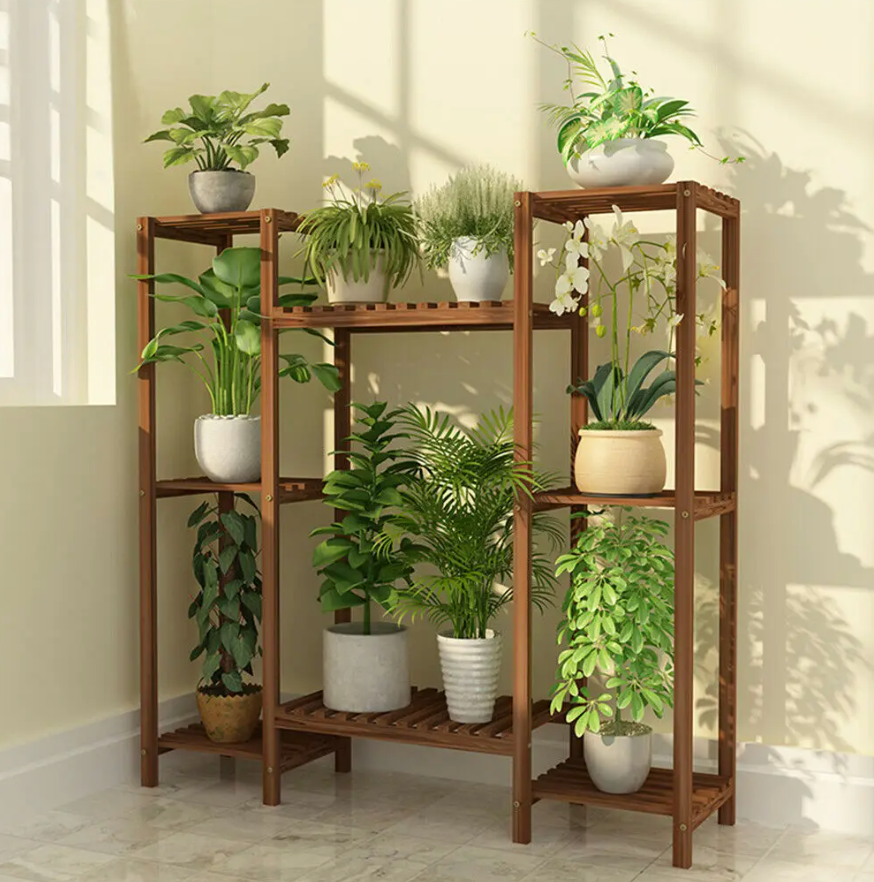
A popular option is theconsider this option for a more organised plant setup. Its vertical design allows you to display multiple plants in a compact footprint, making it ideal for apartments and smaller homes. The tiered layout also ensures each plant receives adequate light.
For those who prefer a simpler arrangement, thereview the finish and footprint for your intended room works well as a subtle feature piece. It suits both leafy and flowering plants and feels at home in relaxed interiors.
If you are unsure how to arrange indoor stands effectively, our article on how to style indoor plant stands for a fresh and green look offers practical, room-by-room guidance.
Outdoor plant stands for balconies, patios, and gardens
Outdoor spaces come alive in spring and summer, and plant stands help organise greenery without overwhelming the area. Balconies, patios, and courtyards benefit from vertical displays that leave floor space free for seating and movement.
Ourcompare supports for an outdoor pot arrangement includes designs suited to open-air use, with materials chosen for durability and stability.
For example, thecompare the design with your preferred plant grouping are well suited to balconies and garden corners. Their elevated structure keeps pots off hot surfaces while creating a layered display that feels intentional rather than cluttered.
When styling outdoors, it is worth spacing plants slightly apart. This improves airflow and makes maintenance easier during warmer months when watering needs increase.
Multi-tier and vertical plant stands for seasonal impact
Spring and summer displays often benefit from height variation. Multi-tier and vertical plant stands allow you to showcase different plant sizes together while maintaining visual balance.
Vertical stands are especially useful in Australian apartments, where space can be limited but natural light is often generous. By stacking plants vertically, you create a feature that draws the eye upward without taking up valuable floor area.
Our guide on how to choose the perfect plant stand for your space breaks down height, spacing, and placement considerations that are particularly relevant during warmer seasons.
Styling tips for spring and summer plant displays
A few thoughtful styling choices can make your plant stands feel considered rather than crowded.
First, vary leaf shapes and plant heights. Mixing upright plants with trailing varieties creates movement and softness. Second, keep pot colours consistent or within a similar palette so the display feels cohesive. Neutral pots often work best when plants are the hero.
Finally, rotate plants occasionally. During spring and summer, growth can be uneven as plants chase light. Adjusting their position helps maintain balance and keeps the display looking fresh.
At Metro Elegance, we believe good design should feel effortless. Our plant stands are designed to support that philosophy by making styling intuitive and flexible.
Why choose Metro Elegance for plant stands
As an Australian furniture brand, Metro Elegance focuses on pieces that suit real homes and real lifestyles. Our plant stands are selected with climate, space, and everyday use in mind. Whether you are styling a bright living room or a compact balcony, our range is designed to adapt as your plants grow and seasons change.
You can explore our full range and discover how plant stands fit into our wider furniture collections by visitingfind ideas for balancing style and daily use.
Ready to refresh your space this season?
Spring and summer are ideal times to rethink how you display your plants. A thoughtfully chosen plant stand can transform both your greenery and your space, indoors and out.
If you would like advice on selecting the right plant stand for your home, or have questions about our range, we are always happy to help. Visit our contact page to get in touch with the Metro Elegance team today:
https://metroelegance.com.au/pages/contact-us
Frequently asked questions
What type of plant stand is best for spring and summer?
Spring and summer displays often benefit from multi-tier or vertical plant stands. These allow better light exposure and airflow while creating visual interest.
Are wooden plant stands suitable for Australian weather?
Wooden plant stands are suitable for indoor use and covered outdoor areas. For exposed spaces, metal or treated timber options are generally more durable.
How tall should a plant stand be?
The ideal height depends on your space and plant size. Taller stands work well near windows, while lower stands suit open areas and larger pots.
Can plant stands be used outdoors year-round?
Many outdoor plant stands are designed for year-round use, but it is important to choose rust-resistant materials and place them on stable surfaces.
How many plants should I place on one stand?
This depends on the stand design and plant size. Avoid overcrowding so each plant has room to grow and receive adequate light.
Do plant stands help plant health?
Plant stands can improve airflow and light distribution, which may support healthier growth when used correctly.
Should indoor and outdoor plant stands be different?
Indoor and outdoor plant stands often serve different purposes. Indoor stands prioritise aesthetics, while outdoor stands focus more on durability and weather resistance.