
-
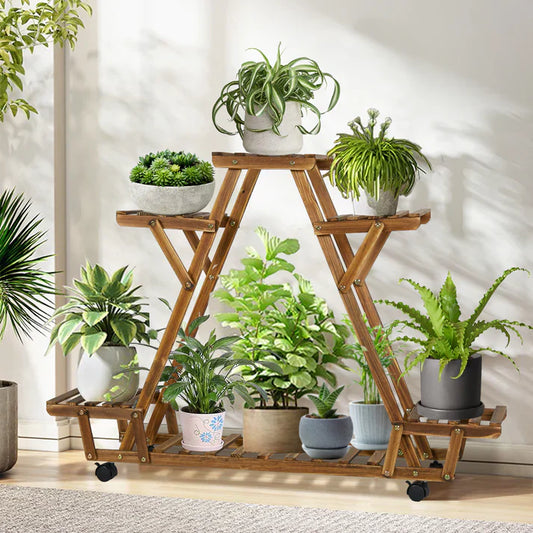
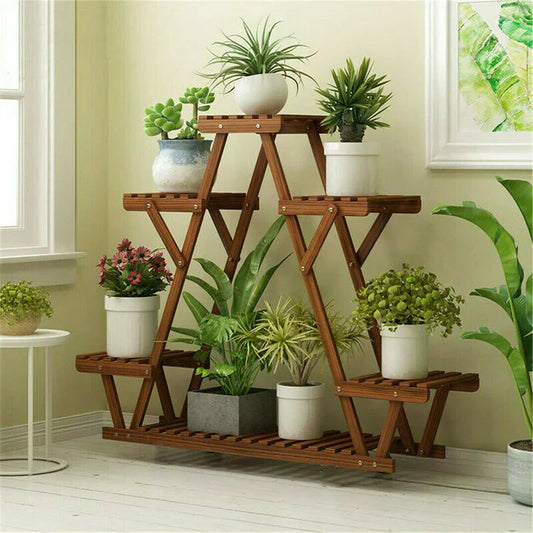
6 Tiered Carbonised Triangle Corner Plant Rack Wooden Plant Stand, Flower Pots Holder - Elevate Garden Space
Regular price From $79.00 AUDRegular priceUnit price per$69.00 AUDSale price From $79.00 AUD -
Multi-Tier Pine Wood Plant Stand – Indoor/Outdoor Flower Display Rack for Living Rooms, Balconies, Patios, and Gardens
Regular price $69.00 AUDRegular priceUnit price per$89.00 AUDSale price $69.00 AUDSale -
10 Pot Stylish Bamboo Plant Stand for In/Outdoor, Bonsai Flower Display, Shelf Holder Rack
Regular price $79.00 AUDRegular priceUnit price per$139.00 AUDSale price $79.00 AUDSale -
4-Tier Bamboo Plant Stand – A Tall, Nordic-Style Corner Flower Rack for Living Rooms, Bedrooms, and Balconies
Regular price $109.00 AUDRegular priceUnit price per$199.00 AUDSale price $109.00 AUDSale -
Wooden Corner Plant Shelf – Indoor/Outdoor Stand for Pots and Decorative Displays
Regular price $29.00 AUDRegular priceUnit price per$49.00 AUDSale price $29.00 AUDSale -
9-Tier Extra Large Bamboo Plant Stand – Multi-Level Flowerpot Display Rack for Up to 17 Pots (Indoor & Outdoor)
Regular price $119.00 AUDRegular priceUnit price per$179.00 AUDSale price $119.00 AUDSale -
6 Tier Plant Corner Stand Wood Displaying Shelves
Regular price $89.00 AUDRegular priceUnit price per$69.00 AUDSale price $89.00 AUDSold out -
5-Tier Bamboo Plant Stand – A Modern Flower Pot Holder for Patios & Indoor Spaces
Regular price $99.00 AUDRegular priceUnit price per$89.00 AUDSale price $99.00 AUDSold out -
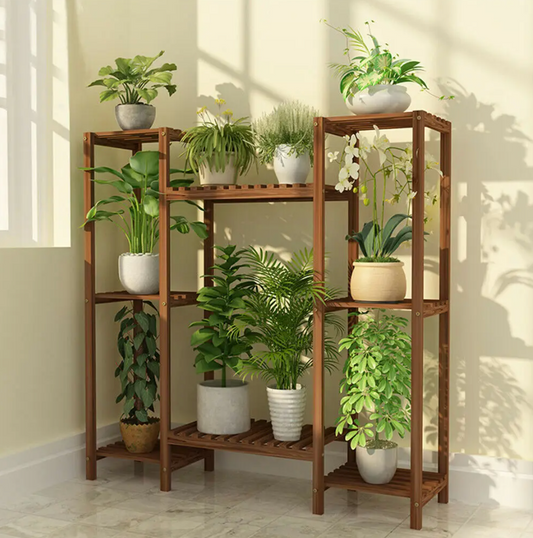
5 / 6 Tier Tall Bamboo Corner Plant Stand – Indoor & Outdoor Flower Display Rack
Regular price From $69.00 AUDRegular priceUnit price per -
7 Tier Tree Shaped Plant Stand for Patio Living Room Metal Plant Flower Pot Display Holder with Lights
Regular price $199.00 AUDRegular priceUnit price per -
5 Tiered Tall Metal Plant Stand, Indoor Iron Planter Shelf Rack Garden, Metal Flower Pots Display Holder
Regular price $99.00 AUDRegular priceUnit price per -
7 Tiers Metal Plant Stand Indoor Outdoor Flower Pot Display Rack Garden Shelf Stand Holder
Regular price $99.00 AUDRegular priceUnit price per -
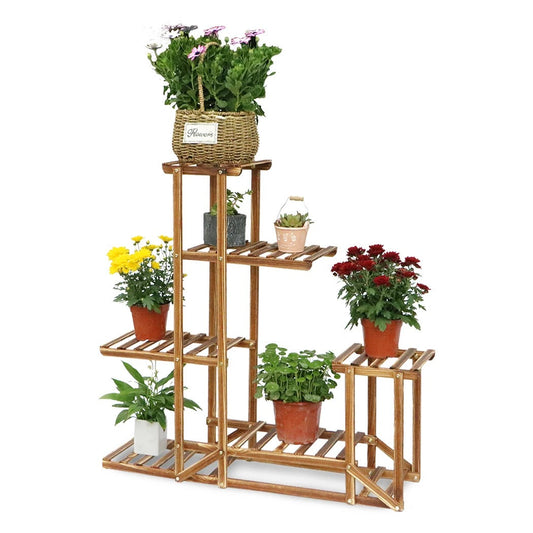
Tall 6 Tier Wood Plant Stand, Corner Shelf Flower Rack
Regular price $109.00 AUDRegular priceUnit price per$69.00 AUDSale price $109.00 AUD -
9 Tiers Metal Plant Stand Multi-layer Flower Pots Holder Display Rack for Garden Patio Balcony
Regular price $119.00 AUDRegular priceUnit price per -
6-Tier Wrought Iron Plant Stand – Indoor/Outdoor Garden Cart Display Shelf for Home Décor
Regular price $119.00 AUDRegular priceUnit price per -
6-tier Wood Plant Flower Stand Shelf Rack Holder Display
Regular price $99.00 AUDRegular priceUnit price per$99.00 AUDSale price $99.00 AUD




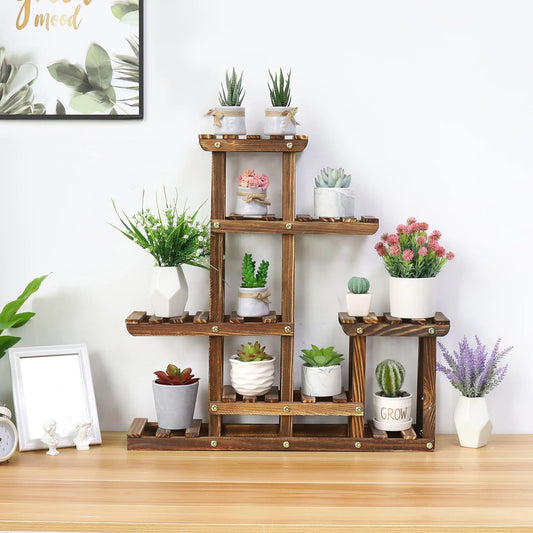

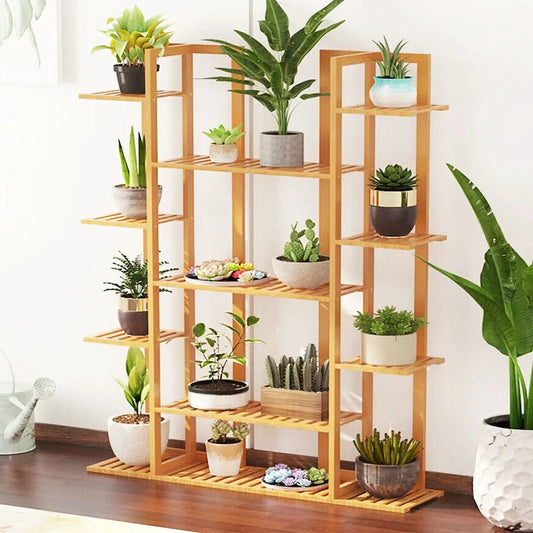

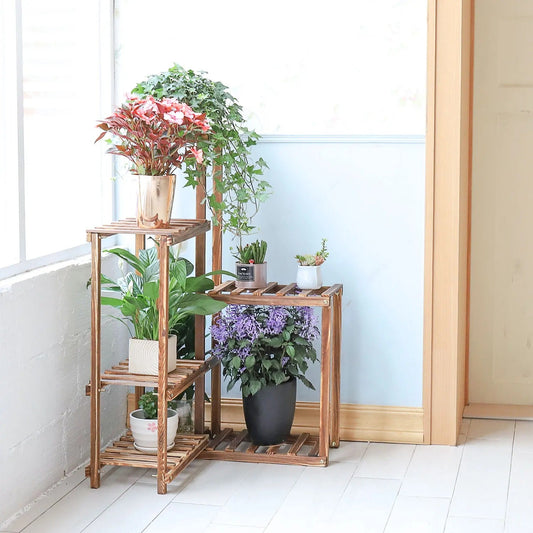

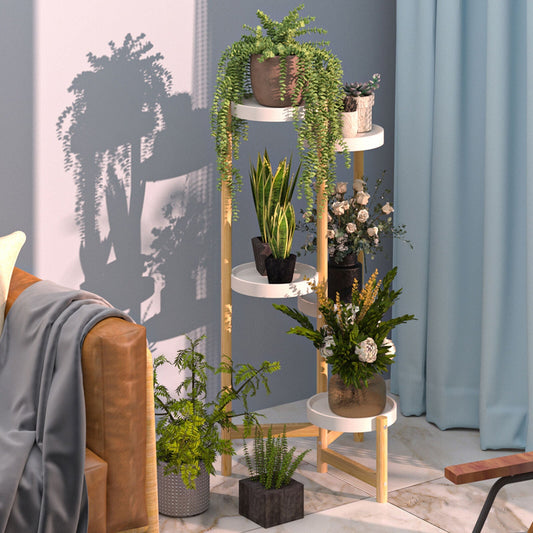

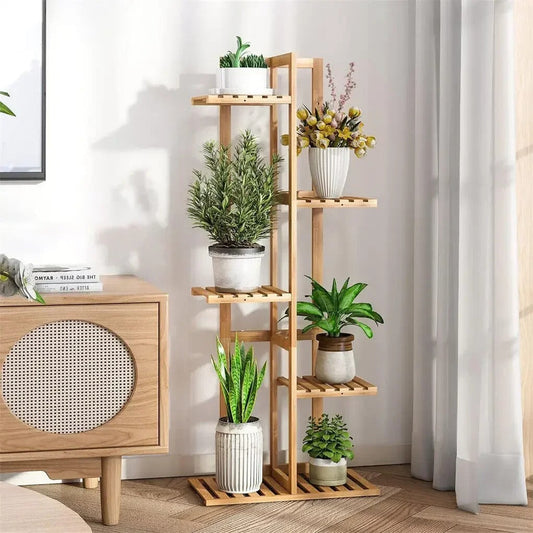

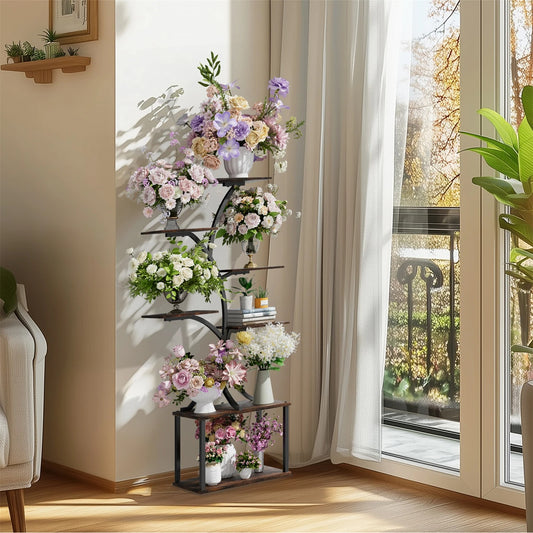

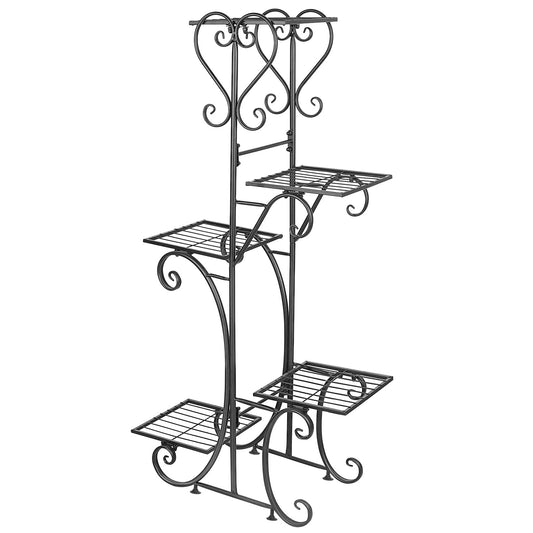

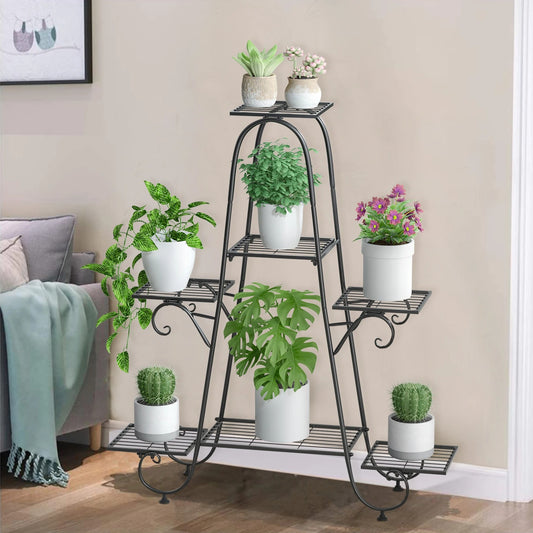

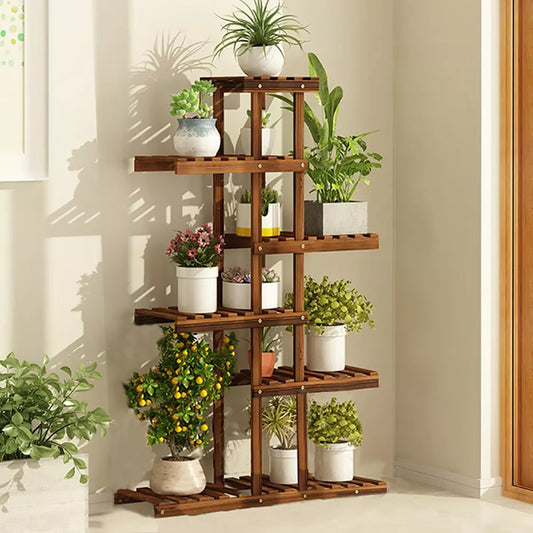

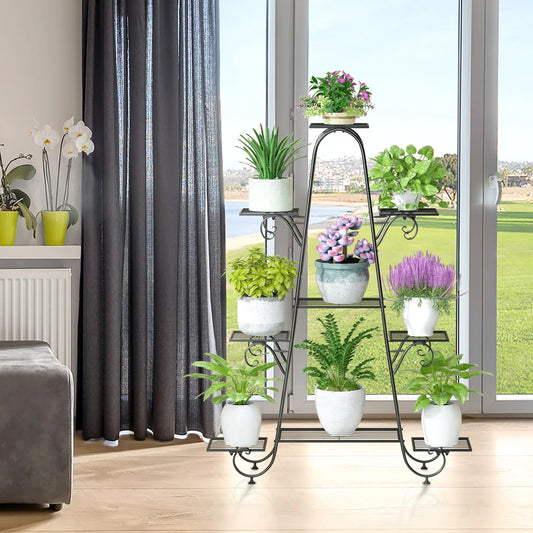

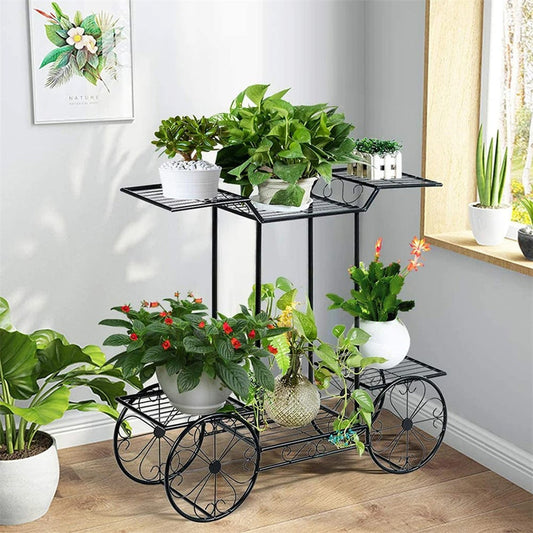

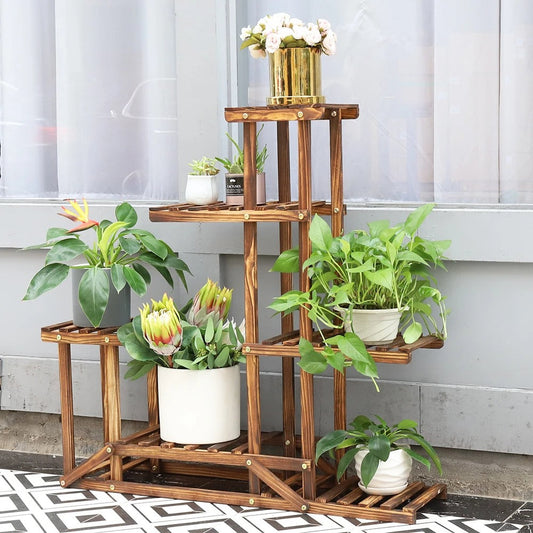
Choosing a Tall Plant Stand for Your Space
A tall plant stand raises plants closer to eye level and makes use of vertical space in living rooms, bedrooms, entryways and apartments. It can help a small pot remain visible beside furniture, create height variation around a window or organise several plants without spreading them across the floor.
Metro Elegance offers tall plant stands for Australian homes in single-pot, tiered and multi-level designs. Compare the total height, base dimensions, usable shelf sizes, plant clearance and stated capacity before choosing a design. A stand should suit both the available space and the complete filled weight of the pots placed on it.
Which Tall Plant Stand Is Right for Your Room?
Start by deciding whether you want to elevate one feature plant or arrange several pots vertically. A single-pot pedestal creates a simple focal point, while a tall tiered plant stand provides different levels for multiple small or medium plants.
| Space or purpose | Suitable design | What to check |
|---|---|---|
| One feature plant | Tall single-pot pedestal | Top dimensions, filled pot weight and base stability |
| Several small plants | Tall tiered or multi-level stand | Shelf spacing, pot capacity and weight distribution |
| Beside a sofa or console | Elevated stand with a compact footprint | Furniture height, leaf clearance and walkway space |
| Near a window | Tall open-frame or graduated display | Light requirements, curtain movement and window access |
| Small apartment | Narrow vertical design | Base width, total depth and surrounding circulation |
| Empty room corner | Vertical corner-compatible stand | Wall clearance, skirting boards and usable shelf depth |
What Counts as a Tall Plant Stand?
There is no single standard height that defines every tall plant stand. The important measurement is the product’s total assembled height in relation to your furniture, ceiling, window and intended plant. A design may be tall overall but still have limited space between individual shelves.
Check both total height and vertical shelf clearance. Add the height of the pot and plant to understand how the complete display will fit. Allow extra room for growing foliage rather than selecting a stand that only fits the plant’s current size.
Tall Indoor Plant Stands for Living Rooms
In a living room, a tall indoor plant stand can fill the visual gap beside a sofa, armchair, console table or low cabinet. Raising a smaller plant above surrounding furniture helps it remain visible without requiring a larger pot.
Match the scale of the stand to the room. A very narrow frame may appear insignificant beside substantial furniture, while a wide multi-level display can overwhelm a compact seating area. Keep enough space around the stand for movement, cleaning and plant care.
For a broader range of designs intended for interior spaces, explore options for living rooms and apartments .
Tall Plant Stands for Small Spaces
Vertical displays can help maximise limited floor space, but the footprint still needs to be measured carefully. Check the stand’s widest and deepest points rather than relying only on its front-facing width.
Leaves may extend beyond the base, so allow additional clearance beside doors, curtains and walkways. In a narrow room, position the stand where it will not create an obstacle or require people to brush past the plants.
If an unused corner is the intended location, compare layouts designed for compact corner displays .
Single-Pot vs Tiered Tall Plant Stands
A single-pot tall stand is suited to one feature plant and usually creates a cleaner, more minimal display. Confirm that the top platform supports the full base of the pot or saucer and that the total filled weight is within the stated capacity.
A tiered tall plant stand is more appropriate when you want to group several plants at different heights. Measure every pot and compare it with the usable shelf area. Check that upper shelves will not completely shade the plants below and that each pot remains accessible for watering.
Stability and Weight Distribution
Stability is particularly important for elevated and multi-level displays. Place the stand on a firm, level surface and make sure all feet maintain contact with the floor. Do not use unstable objects to compensate for an uneven surface.
Calculate pot weight using the complete planted container, including soil, decorative stones and retained water. Where the design permits, place heavier pots on lower levels and lighter plants above. Avoid creating a top-heavy display or placing a tall stand in a high-traffic area where it can be knocked.
Homes with children or pets may require additional placement considerations. Follow any assembly, securing or anchoring instructions supplied with the individual product.
Choosing the Right Pot Size
Measure the base and widest point of the pot, including its saucer. The pot should sit securely on the intended platform without unstable overhang. Decorative outer pots can be significantly wider and heavier than the nursery pots inside them, so measure the complete arrangement.
On a tiered stand, compare the plant’s height and spread with the distance to the next shelf. Trailing foliage needs room to fall naturally without covering lower plants or becoming caught around the frame.
Positioning a Tall Stand Near a Window
A raised plant display can help smaller plants reach a brighter position, but height does not guarantee suitable light. Match the location to each plant’s needs and consider the direction and intensity of sunlight throughout the day.
Keep enough distance from the glass to prevent foliage from being pressed against hot or cold surfaces. Make sure the stand does not obstruct window handles, blinds or curtains, and rotate pots periodically where light comes mainly from one direction.
Wooden and Bamboo Tall Plant Stands
Wood and bamboo can add natural colour and texture to bedrooms, living rooms and relaxed interiors. These materials often coordinate well with timber furniture, neutral colours and woven accessories.
Construction, capacity and care requirements vary by product, so appearance should not be the only consideration. If you prefer a warmer visual style, browse timber and bamboo designs for natural interiors .
Metal Tall Plant Stands
Metal frames can create a slimmer visual profile that suits modern, minimalist or industrial rooms. Open-frame designs may feel less visually heavy in a small space, particularly when displaying several plants.
Material alone does not determine capacity or stability. Compare the individual stand’s dimensions, construction and stated limits. For a streamlined look, explore metal frames for contemporary plant displays .
Protecting Floors When Watering
Use an appropriate saucer or watertight liner beneath every indoor pot. Remove excess water promptly and check lower shelves and flooring after watering. Water dripping from an upper plant can affect the pots, shelves and surfaces below.
Inspect the stand’s feet before placing it on timber, laminate, tile or carpet. Add suitable floor-protection pads if needed, provided they do not make the stand unstable. Lift the stand instead of dragging it when repositioning the display.
Can a Tall Plant Stand Be Used Outdoors?
Only use a tall stand outside when the individual product information confirms that its material, finish and construction are suitable for the intended conditions. Do not assume that a stand is weatherproof, waterproof or rustproof.
Outdoor wind increases the risk associated with tall and top-heavy displays. Assess the exposure, keep weight low where possible and follow all product guidance. For a balcony, veranda or patio, review options intended for outdoor plant displays .
Tall Plant Stand FAQs
How tall should a plant stand be?
The right height depends on the plant, pot, nearby furniture and available room. Measure the stand together with the complete plant and allow additional clearance for foliage growth, watering and window access.
Are tall plant stands stable?
Stability depends on the stand’s construction, base, height, surface and weight distribution. Place it on a firm, level floor, stay within the stated capacity and avoid creating a top-heavy arrangement.
What is the best tall plant stand for a small apartment?
A narrow vertical or tiered design can use height while preserving more floor area. Check its full footprint and allow space for leaves so the display does not obstruct doors or walkways.
Can a tall plant stand hold a heavy pot?
Only use the pot when its complete filled weight is within the stand’s stated capacity and it fits securely on the platform. For tiered designs, place heavier pots on lower levels where the product allows.
Should I choose a single-pot or tiered tall plant stand?
Choose a single-pot stand to elevate one feature plant. Choose a tiered stand when you want to organise several smaller plants at different heights. Compare shelf size, vertical clearance and total capacity.
Where should I place a tall indoor plant stand?
Suitable locations may include beside a window, sofa, console or in an unused corner, provided the plant receives appropriate light and the stand does not obstruct doors, curtains, heaters or walkways.
Can I use a tall plant stand outdoors?
Use it outdoors only when the product information confirms that the material, finish and construction suit the intended conditions. Consider wind and weather exposure carefully because taller displays may become unstable when top-heavy.