
Key Takeaways
Explore the complete plant stand range to compare dimensions, materials and placement.
- The platform width of a plant stand should always be at least equal to the base diameter of the pot it holds - slightly wider is better for both safety and visual proportion.
- Pot size and pot weight are separate considerations: a tall, narrow pot and a wide, shallow pot can have the same base diameter but very different weights when filled and watered.
- Stand height should be chosen in proportion to the plant's height, the pot's visual weight, and the ceiling height of the room rather than simply maximising elevation.
- Small pots pair well with single-specimen elevated stands or upper tiers of multi-tier designs; large pots are better suited to lower tiers or dedicated single stands with solid construction.
- Always measure the actual base of your pot - not the widest point - before comparing against stand platform dimensions.
- find pieces for a more considered home layout carries plant stands across a range of platform sizes and construction weights suited to every pot size, with free shipping Australia-wide.
Choosing a plant stand by appearance alone is how most people end up with a pot that does not quite sit right, a platform that is noticeably too small, or a stand that tips slightly under a load it was not built to handle. None of these outcomes is dramatic enough to feel like a mistake in the moment, but they each chip away at the overall effect the arrangement was meant to create.
The relationship between a pot and its stand is a practical and visual one. The stand needs to be structurally capable of supporting the pot safely. The platform needs to be the right width to hold the pot fully without overhang. The height needs to work in proportion to the plant above and the room around it. And the visual weight of the stand needs to feel appropriate to the pot it is paired with.
This guide covers all of those relationships in a way that applies to every pot size - from a small 10cm succulent pot to a 35cm specimen container holding a mature fiddle leaf fig. Work through it with your specific pots and plants in mind, and you will have a clear framework for making confident stand choices every time.
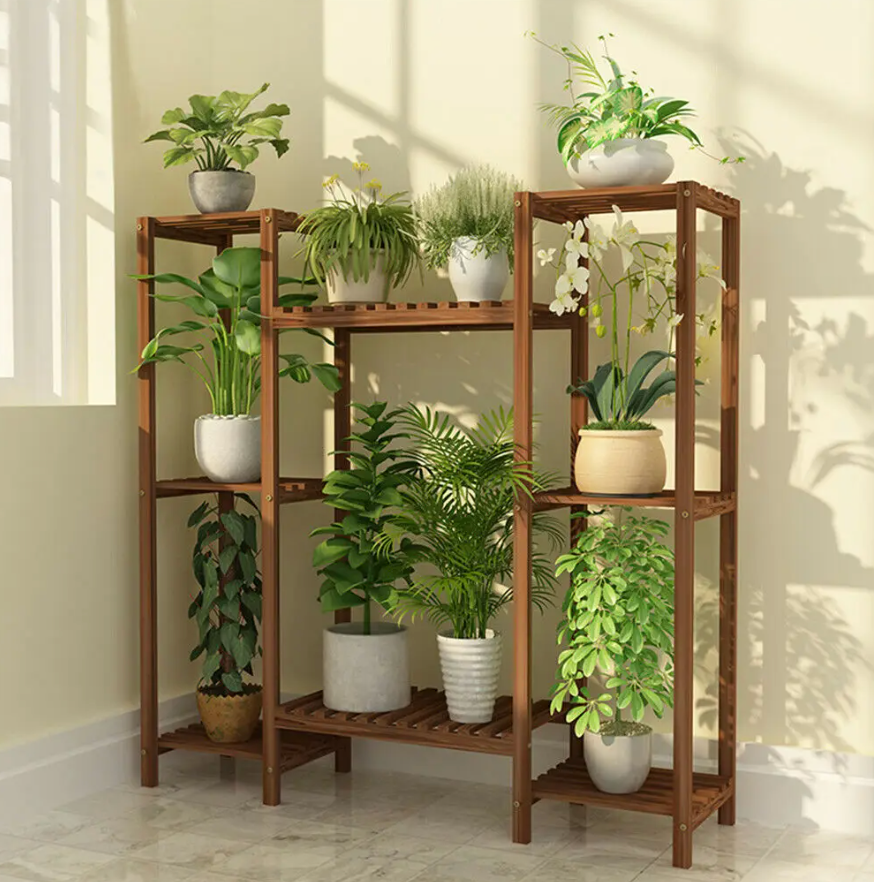
The One Measurement Most People Get Wrong
Before getting into specific pot sizes and stand recommendations, it is worth addressing the measurement mistake that causes most poor stand sizing decisions.
When people measure their pots to find a matching stand, they typically measure the widest point of the pot - the diameter at the top rim or the point where the pot is broadest. This is usually not the measurement that matters for stand sizing.
What matters is the base diameter: the measurement of the very bottom of the pot where it contacts the stand platform. On most traditional pot shapes - tapered, rounded, or slightly flared - the base is considerably narrower than the widest point. A pot that measures 30cm at the rim might have a base of only 18-20cm. A stand platform of 22cm would accommodate that pot perfectly despite seeming too small if you measured from the rim.
Conversely, on wide, shallow bowl-style pots where the base is as wide as the top, the base diameter will be the same as the overall pot diameter and needs to be matched against the stand platform accordingly.
The practical step is simple: turn your pot upside down and measure the bottom surface. Write that number down and use it as your reference when comparing stand platform dimensions. This one habit prevents most sizing mismatches.
Small Pots: 10cm to 18cm Base Diameter
Small pots in this range cover most succulents, small cacti, compact herbs, and young propagations in early growth. At this size, the pot and plant are rarely the visual centrepiece of a room - they contribute texture and greenery as part of a broader arrangement rather than as standalone statements.
For small pots, the priority is less about load-bearing capacity - these pots are light - and more about visual proportion and placement flexibility. A small pot on a stand that is too tall looks lost. A small pot on a stand that is too low adds very little to the room's visual interest.
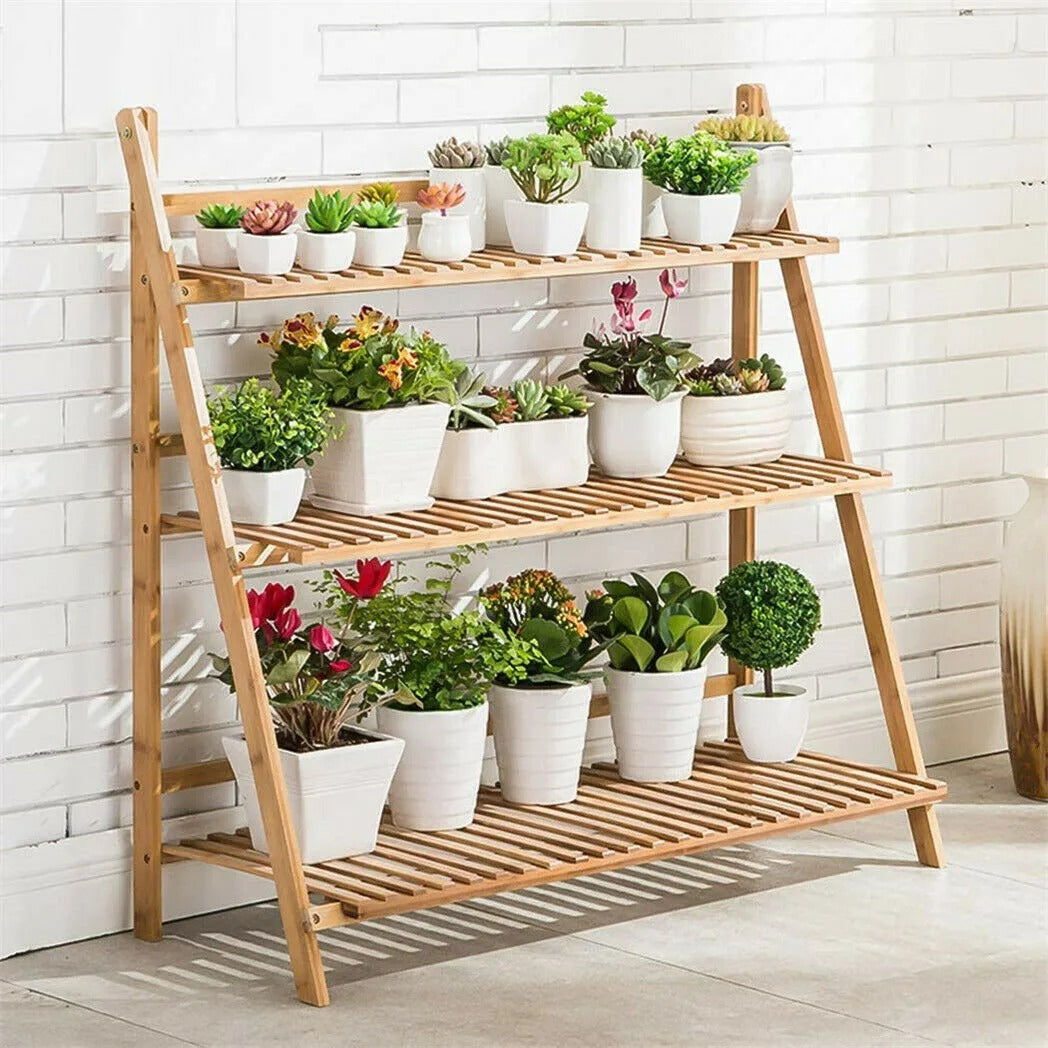
The most effective use of plant stands with small pots is on the upper tiers of multi-tier arrangements, where smaller, lighter pots sit above larger anchoring pots on lower tiers. This creates a natural hierarchy in the display that reads as considered and intentional. A tiered stand from the Metro Elegance bamboo range, for instance, works well with small to medium pots distributed across its levels - smaller pots on the upper tiers, slightly larger ones below.
Single-specimen elevated stands in the 15-30cm height range also suit small pots well when the pot and plant together have an interesting enough form to justify a dedicated display - a geometric cactus, a trailing string of pearls, or a small architectural succulent with a distinctive shape.
Platform width for small pots in this range: a platform of 12-18cm suits most pots with an 10-16cm base diameter. Slightly wider is always better than slightly narrower.
Medium Pots: 18cm to 25cm Base Diameter
Medium pots cover the most common indoor plant container sizes used by Australian plant enthusiasts. Pothos, snake plants, peace lilies, smaller monsteras, and compact rubber trees are often grown in pots in this range.
At this size, the pot begins to have real visual presence on its own. The stand needs to contribute meaningfully to that presence - providing appropriate elevation, a platform that fully supports the pot base, and a construction weight that handles the pot's load reliably. A fully watered medium pot can weigh anywhere from 3kg to 8kg depending on pot material, soil type, and plant size.
Single-specimen stands in the 30-60cm height range work well for medium pots in living rooms, bedrooms, and hallways where the plant is intended as a moderate-scale decorative element. For corners, a triangular or corner-specific stand format creates a contained, framed arrangement that suits medium pots particularly well.
On multi-tier stands, medium pots belong on the lower or middle tiers - heavy enough that placing them on upper tiers affects the stand's stability, but not so large that they visually overpower the overall arrangement.
Platform width for medium pots: a platform of 22-28cm suits most pots with an 18-24cm base diameter. At this size, getting the platform width right starts to matter more structurally, as the weight is sufficient to create noticeable instability if the pot base overhangs the platform edge.
Large Pots: 25cm to 35cm Base Diameter
Large pots are where the sizing discipline discussed throughout this guide matters most acutely. A pot in this range holding a mature specimen plant can weigh 10-15kg or more when fully watered. The stand holding it needs to be built for that load, have a platform wide enough to fully support the base, and have a base footprint stable enough that the loaded arrangement does not tip.
At this size, the pot and plant together are typically the primary design element in the room - a statement piece that the rest of the furniture and arrangement relates to. The stand needs to match that visual significance without competing with it. A stand that is too slight for the pot diminishes the display. A stand that is too ornate draws attention away from the plant.
Solid timber and welded metal construction are the most appropriate choices for large pot applications. These materials provide the structural confidence that significant weight demands. Thin bamboo and lightweight decorative stands, whatever their platform dimensions, are generally not the right choice for pots in this weight range.
Our post on how to choose the right stand size and construction for large indoor plants covers the large pot application in detail and is worth reading alongside this guide for anyone with substantial specimen plants.
Platform width for large pots: a platform of 28-40cm suits most pots with a 25-35cm base diameter. The stand's base footprint should be at least as wide as the platform, ideally wider, to maintain a stable centre of gravity under the full loaded weight.
Very Large Pots: 35cm and Above
Pots above 35cm in base diameter are typically used for the most substantial indoor specimens - large fiddle leaf figs, bird of paradise plants at full maturity, large dracaenas, or statement outdoor plants in heavy decorative containers. These pots, fully watered, can exceed 20kg in total loaded weight.
At this scale, a traditional elevated plant stand is often not the right answer. The weight and size of the pot may be better served by a low, wide platform stand close to the floor, which keeps the centre of gravity low and reduces tipping risk while still providing some elevation and drainage clearance.
Alternatively, a dedicated large-format wooden display stand with a wide base and solid construction can handle this scale effectively, provided the platform dimensions are specifically checked against the pot base measurement before purchasing.
For these applications, we recommend contacting us directly before purchasing to confirm the right stand match. Our team can advise on platform width, weight capacity, and construction suitability based on your specific pot measurements and plant weight.
Height Proportions Across All Pot Sizes
The right stand height varies not just with pot size but with the combined height of the pot and plant, and the proportional relationship that creates in the room.
A useful rough principle is that the stand should bring the most visually interesting part of the plant - its canopy, its trailing foliage, or its central growth point - to a height where it can be comfortably appreciated from a seated position. In most Australian living rooms with furniture at standard heights, this means the arrangement's visual midpoint sits somewhere between 90cm and 130cm from the floor.
For small pots with small plants, achieving this often requires a taller stand of 40-70cm. For large pots with already-substantial plants, a shorter stand of 20-40cm may be sufficient to place the canopy at the right height without pushing the total arrangement toward the ceiling.
The ceiling height of the room provides the upper limit. In standard 2.4m Australian ceilings, the combined stand, pot, and plant height should ideally leave 40cm or more of clear space to the ceiling. This prevents the arrangement from feeling cramped and maintains the visual breathing room that gives a statement plant its presence.
Specific Stands from Metro Elegance Matched to Pot Sizes
When we look at our range with pot-size matching specifically in mind, several designs stand out for their platform dimensions and construction suitability across different pot sizes.
For small to medium pots in a tiered arrangement, the 3-Tier Bamboo Corner Plant Stand provides a graduated tiered format where small to medium pots can be distributed effectively across three levels. The corner footprint uses space efficiently and the bamboo construction is appropriate for the load range of small to medium pots.
For medium to large pots requiring solid construction and a wide platform, thesee whether the footprint works beside your furniture provides a grounded timber platform in a simple, proportionate design suited to medium and larger pots. The solid timber construction handles the weight demands of a well-grown specimen in a medium-to-large container.
For large pots requiring a multi-tier display anchored by a substantial base, thecheck whether the structure suits indoor or sheltered use provides solid timber construction across six levels with platform dimensions suited to larger pots on the lower tiers and progressively smaller pots above. This is one of the most versatile formats in our range for plant lovers who want to display a range of pot sizes in a single cohesive arrangement.
Ourcompare practical ways to organise potted plants covers platform sizes across the full spectrum of common pot sizes, and ourcompare display formats for small and large pots includes timber options with the construction weight suited to medium and large pot applications.
Visual Proportion Beyond the Measurements
The measurements are the foundation, but the visual relationship between stand and pot involves a few additional considerations that numbers alone do not capture.
Visual weight matching is the most important. A delicate, thin-legged stand under a heavy, substantial pot looks structurally unconvincing even if the measurements technically work. The visual weight of the stand - how substantial it looks - should feel proportional to the pot above it. A large terracotta pot with a mature specimen needs a stand that looks capable of holding it, not just one that technically can.
Colour and material contrast between pot and stand affects how the arrangement reads as a whole. A dark pot on a dark stand can blend together and lose the visual distinction between the two elements. A natural timber stand under a dark glazed pot creates a contrast that separates the elements and gives the arrangement more visual clarity.
Pot shape and stand format interact in ways that are worth considering. Round pots on round platform stands have a natural geometric harmony. Square or rectangular planters pair well with stands that have a similarly angular geometric profile rather than curved or circular platforms.
Our post on how to style plant stands for a balanced, layered indoor display covers these styling considerations in more depth, and our post on why a well-matched stand improves both plant health and room aesthetics explains the broader benefits that good sizing decisions deliver beyond aesthetics alone.
A Simple Sizing Checklist Before You Buy
Before purchasing any stand for any pot, run through these steps to confirm the match will work.
Measure the base diameter of the pot - not the rim or widest point. Estimate the total weight of the pot when fully watered, including the plant, soil, and container. Note the existing height of the plant above the pot rim. Measure the ceiling height of the room and calculate how much stand height the arrangement can absorb without becoming too tall. Check the platform width in the product specifications and confirm it is at least equal to the measured pot base diameter. Check the construction material and, where available, the weight capacity against your estimated pot weight.
Six steps, two of which require a tape measure and one a rough weight estimate. The return is a stand and pot combination that works structurally, proportionally, and aesthetically - rather than one that almost works.
Get the Right Fit with Metro Elegance
At Metro Elegance, we carry plant stands across a genuine range of platform sizes, construction materials, and height options suited to every pot size from small decorative containers to large statement specimens. Free Australia-wide shipping is included on every order.
If you have specific pot measurements and want a recommendation on the right stand match before purchasing, we are glad to help. Get in touch through our contact page and we will give you a considered, practical recommendation based on your specific pot dimensions.
Frequently Asked Questions
How do I know what size plant stand I need for my pot?
Measure the base diameter of your pot - the bottom surface that contacts the stand platform, not the widest point. The stand platform should be at least equal to that measurement, ideally 2-4cm wider. Also estimate the pot weight when fully watered and check the stand's construction material is appropriate for that load.
Should the plant stand be bigger than the pot?
The platform should be at least as large as the pot base and ideally slightly larger. The overall stand footprint at the floor should also be at least as wide as the platform to maintain stability under load. A stand that is significantly larger than the pot can look visually disproportionate, while one that is smaller creates a stability risk.
What is the best plant stand for a 30cm pot?
A pot with a 30cm base diameter needs a stand with a platform of at least 30cm and ideally 32-36cm. The stand should be in solid timber or welded metal construction to handle the weight of a fully watered 30cm pot, which can easily reach 10-15kg or more. The specific stand height depends on the plant's existing height and the ceiling height of the room.
Can I use a multi-tier plant stand for different pot sizes?
Yes, and this is one of the most effective uses of multi-tier stands. Place larger, heavier pots on the lower tiers where the structural load is closest to the base, and progressively smaller pots on the upper tiers. This distribution lowers the overall centre of gravity of the loaded stand and creates a visually natural hierarchy in the arrangement.
How do I match plant stand height to pot size?
The combined height of the stand, pot, and plant should place the plant's most visually interesting feature - canopy, trailing foliage, or growth point - at a comfortable eye level from a seated position. For large pots with already-tall plants, a lower stand is usually more appropriate than a tall one. For small pots with compact plants, a taller stand provides the elevation needed for the arrangement to register visually in the room.
What happens if my pot overhangs the plant stand platform?
Overhang shifts the centre of gravity of the loaded stand toward the overhanging side, creating a tipping risk that increases with the weight of the pot. Even minor overhang under a heavy pot creates meaningful instability. Always ensure the pot base sits fully within the platform boundary with some margin on all sides.
Does pot material affect which stand I should choose?
Yes, indirectly. Heavy pot materials like terracotta, ceramic, and concrete significantly increase the total loaded weight compared to lightweight plastic or fibreglass containers at the same size. A 25cm terracotta pot fully watered may weigh considerably more than a 25cm plastic pot at the same size. When choosing a stand based on load capacity, factor in the pot material as part of the total weight estimate.