
Key Takeaways:
Browse Plant Stands Australia for indoor, outdoor, wooden, metal, tall and corner options.
- Cheap plant stands typically cost under $30-40 but often require replacement within 6-12 months
- Common quality issues include wobbly construction, thin materials, poor finishes, and inadequate weight capacity
- True cost analysis reveals that replacing cheap stands annually often exceeds the one-time cost of quality pieces
- Mid-range stands ($60-120) typically offer the optimal balance of affordability and durability for most buyers
- Certain budget stands can provide acceptable value if used appropriately (lightweight plants, protected locations, temporary solutions)
- Construction quality indicators help identify which budget options might perform adequately versus those destined to fail
- Strategic purchasing decisions based on intended use help maximize value regardless of budget constraints
The temptation of cheap plant stands is real. When you're scrolling through online retailers and spot a plant stand for $25 versus $95, the price difference feels significant. Why spend nearly four times as much for what appears to be essentially the same thing - a piece of furniture to hold plants?
This question comes up constantly, and the honest answer is more nuanced than simple "yes, buy cheap" or "no, always spend more" advice. The value of budget plant stands depends on multiple factors including your specific situation, intended use, and realistic expectations. Atplan an update around the way the room is used, we've seen how this decision plays out in real-world use, and we can help you navigate this choice more effectively.
Defining "Cheap" in Plant Stand Context
Before evaluating whether cheap plant stands deliver value, we need to establish what "cheap" actually means in this product category.
In the Australian market, plant stands typically fall into rough price brackets. Budget or cheap stands generally cost under $30-40. These pieces prioritize minimal cost over construction quality or longevity. Mid-range options sit between $60-120, balancing affordability with decent construction. Premium stands exceed $150, offering superior materials, refined design, or specialized features.
The cheap category is what we're examining here - those stands priced so affordably that they seem almost too good to pass up, especially when you need to display multiple plants and costs multiply quickly.
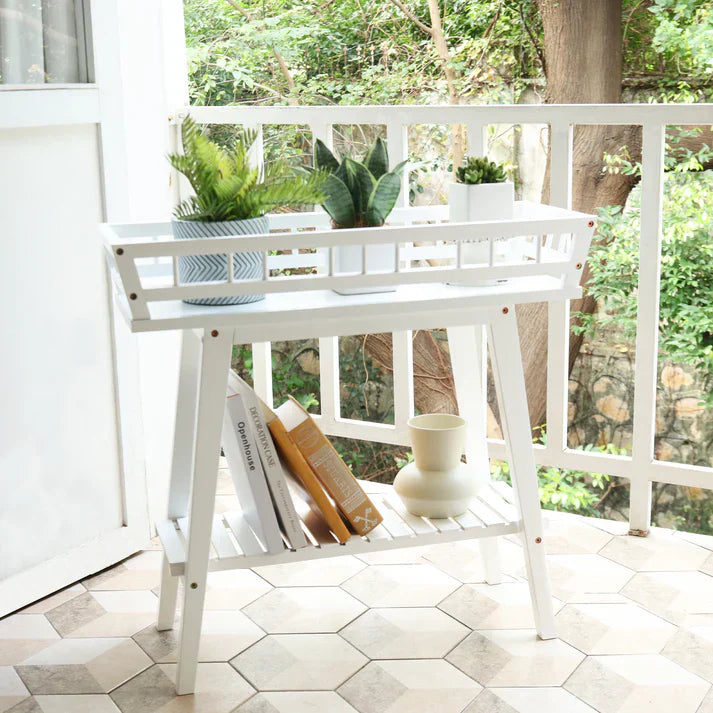
Common Quality Issues in Budget Plant Stands
Cheap plant stands achieve their low prices through specific compromises that affect performance and longevity. Understanding these typical shortcomings helps you decide whether the trade-offs are acceptable for your situation.
Construction methods in budget stands often rely on the simplest, cheapest joinery. This typically means thin metal with basic welding or press-fit connections, or wood joined primarily with glue and minimal fasteners. These approaches reduce manufacturing costs substantially but create stands that loosen, wobble, or fail under regular use.
Material thickness makes a significant difference in durability. Cheap metal stands frequently use very thin gauge steel or aluminum that flexes noticeably under even moderate weight. Budget wooden stands might use particle board, thin plywood, or undersized solid wood pieces that lack the substance to remain stable long-term.
Finish quality suffers in budget manufacturing. Painted metal may have thin, uneven coverage that chips easily, exposing bare metal to moisture and rust. Wood finishes might be minimal or absent, leaving material vulnerable to water damage from plant care activities. These finish failures accelerate deterioration dramatically.
Weight capacity becomes problematic quickly. A stand might physically hold a heavy pot when first assembled, but the combination of thin materials and weak joinery means it won't maintain stability over weeks and months of supporting that weight. The gradual loosening creates wobbling that eventually progresses to collapse or failure.
The Real Cost of Cheap: Replacement Cycles
The most significant hidden cost of cheap plant stands is replacement frequency. A $25 stand that needs replacing every year costs substantially more over five years than a $100 stand purchased once.
Typical lifespan for budget stands varies by specific construction, but many show problems within 6-12 months of regular use. Issues range from cosmetic deterioration that makes them look shabby to structural problems that make them unsafe for holding plants. Even if they don't catastrophically fail, they often become wobbly, rusty, or water-damaged enough that replacement becomes necessary.
This replacement cycle creates ongoing costs that exceed initial savings. Three replacements at $30 each total $90 - approaching the cost of a quality stand that would still be functioning fine after the same timeframe. Add the time and hassle of shopping for and assembling replacements, and the value proposition deteriorates further.
Environmental considerations matter too. Repeatedly purchasing and disposing of cheap stands creates waste that quality, long-lasting pieces avoid. For environmentally conscious buyers, this represents a real cost beyond just financial considerations.
When Cheap Plant Stands Might Actually Work
Despite these drawbacks, some situations genuinely suit budget plant stands. The key is matching the stand's limitations to uses where those limitations don't matter much.
Temporary display needs represent ideal budget stand territory. If you need a stand for a specific event, seasonal display, or short-term rental situation, a cheap stand that functions for a few months delivers exactly what you need. The stand doesn't need to last years when you only require months of service.
Very lightweight plants reduce the stress on cheap construction. If you're displaying small pots with lightweight plants rather than heavy ceramic planters full of soil, the stand experiences less structural demand. A stand inadequate for a 10-kilogram pot might handle a 2-kilogram pot acceptably for longer.
Protected indoor locations minimize the environmental stresses that quickly degrade cheap finishes and materials. A budget stand in a climate-controlled living room faces far less challenge than one on a humid balcony or covered patio where temperature swings and moisture exposure accelerate deterioration.
Experimental plant placement situations work well with cheap stands. If you're trying different plant display arrangements to determine what works in your space, using budget stands for this exploratory phase makes sense. Once you've settled on arrangements you love, upgrading to quality stands for permanent positions offers better value.
The Mid-Range Sweet Spot
For most plant enthusiasts, the real value exists not at the budget end but in the mid-range category. These stands cost more than cheap alternatives but substantially less than premium options, while delivering the durability and quality that actually matter for daily use.
Mid-range stands typically feature proper construction methods - solid joinery in wood pieces, properly welded metal frames, appropriate material thickness for the intended load. These fundamentals ensure the stand remains stable and functional for years rather than months.
Finishes in this category generally provide adequate protection. Wood receives proper sealing or staining, metal gets decent powder coating or paint coverage. While not necessarily premium finishes, they protect the underlying material well enough to prevent rapid deterioration.
The aesthetic refinement in mid-range stands typically surpasses budget options noticeably. Details are cleaner, proportions more considered, overall appearance more finished. These stands don't embarrass you in your living spaces the way obviously cheap pieces might.
From a value perspective, understanding what distinguishes quality plant stands at various price points helps identify where additional spending buys meaningful improvements versus just higher prices.
Identifying Better Budget Options
If budget constraints make cheap stands necessary, certain characteristics help identify which budget options might perform adequately versus which are clearly problematic.
Construction assessment starts with physical inspection where possible. Stands that wobble when empty will only get worse with weight added. Joints should feel solid rather than loose or flexible. If purchasing online, detailed construction descriptions and customer reviews mentioning stability provide useful information.
Material indicators help predict longevity. In wooden stands, solid wood (even thin solid wood) typically outlasts particle board or MDF. In metal stands, powder-coated finishes generally hold up better than simple paint. Slightly thicker material dimensions suggest better durability.
Brand reputation matters even in budget categories. Some manufacturers produce budget lines that represent stripped-down versions of their better products - simpler designs but still decent construction. Others make purely disposable products with no quality standards at all. Researching manufacturers when possible helps distinguish these categories.
Return policies and warranties provide telling information about retailer or manufacturer confidence in products. Even cheap stands from sellers confident in basic functionality typically offer reasonable return terms. Restrictive or absent return options often signal products likely to disappoint.
Strategic Purchasing for Budget-Conscious Buyers
Smart purchasing strategies help maximize value regardless of your budget constraints. Several approaches optimize the return on your plant stand investment.
Prioritize quality for high-visibility, high-use applications. If you can only afford one or two quality stands, use them in your main living areas for your favorite or most expensive plants. Budget stands can handle less prominent positions or less critical uses without compromising your primary display.
Consider multi-tier designs carefully. Acompare the available levels with your planned display offers more plant display capacity per dollar than multiple individual stands, making moderate prices more accessible for displaying several plants. This approach often provides better value than buying numerous cheap single-plant stands.
Shop during sales strategically. Quality stands periodically go on sale, bringing mid-range options closer to budget prices temporarily. Patience to wait for these opportunities can enable quality purchases at near-budget prices.
Focus spending on features you actually need. An elaborate multi-tier stand costs more than a simple elevated platform, but if you only need to get one plant off the floor, the simple option provides equivalent function at lower cost. Matching complexity to actual requirements prevents overspending.
Material Considerations in Budget Categories
Different materials behave differently in budget price ranges, affecting which cheap stands might deliver acceptable performance.
compare supports for a layered plant display in budget categories often use pine or bamboo rather than hardwoods. While not as durable as premium timber, solid pine or bamboo can actually perform decently in budget stands if construction is reasonable and finish adequate. Particle board or MDF in budget wood stands, however, rarely holds up well to the moisture exposure inherent in plant care.
choose supports around pot weight and placement at budget prices frequently use very thin steel or aluminum. These materials can work for small plants in protected locations but struggle with heavier loads or outdoor exposure. Rust becomes inevitable quickly without quality finishes, particularly in Australian coastal areas or humid climates.
Plastic plant stands exist primarily in the budget category. Modern plastics can actually tolerate moisture well and won't rust or rot, but UV degradation outdoors and the generally cheap appearance limit their appeal. For purely functional applications in non-visible locations, plastic stands sometimes offer acceptable budget solutions.
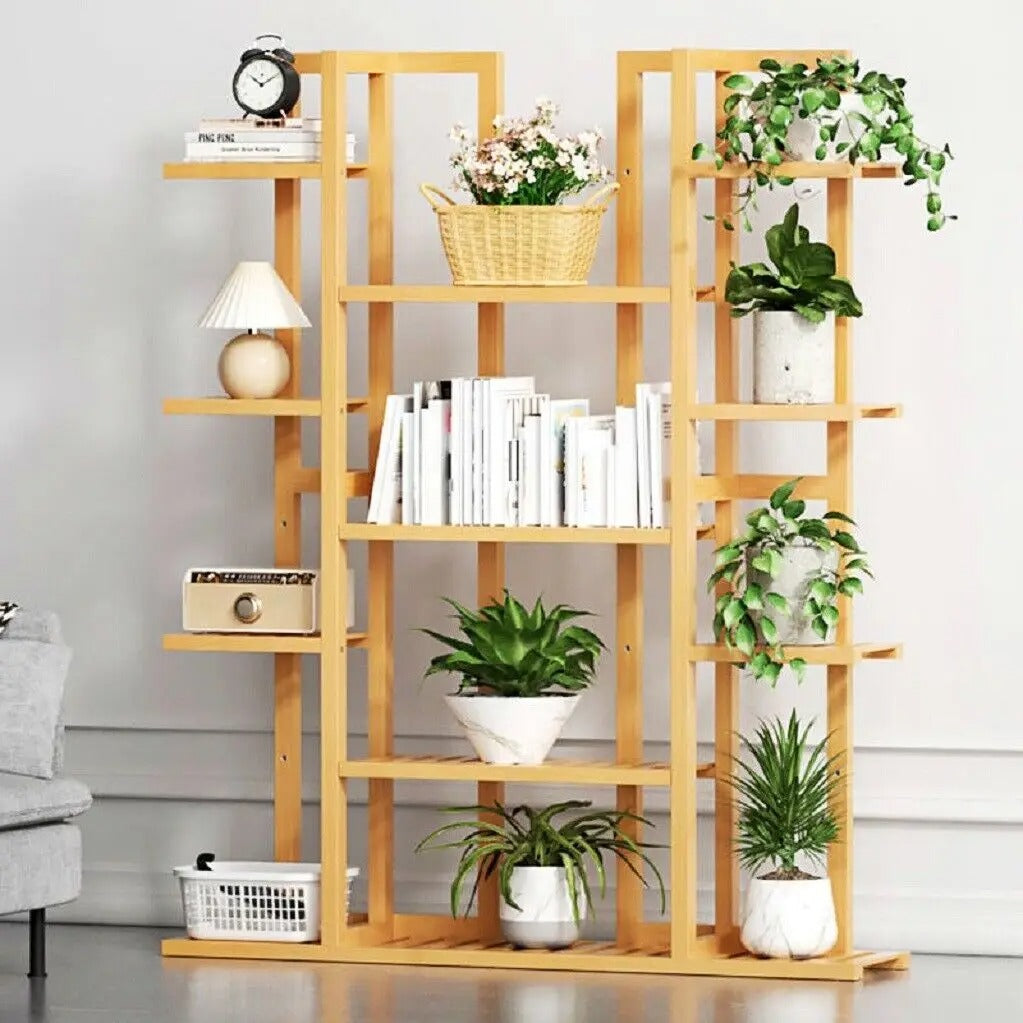
The Metro Elegance Approach to Value
At Metro Elegance, our philosophy centres on accessible quality rather than rock-bottom pricing. We've deliberately positioned our plant stand selection in the mid-range category where real value exists for most buyers.
This positioning reflects our belief that furniture should function well and last reasonably long, not just achieve the lowest possible price. Acheck whether the structure suits indoor or sheltered use represents this philosophy - priced moderately but constructed properly to provide years of service rather than months.
We recognize that budget constraints are real, and not everyone can or should spend premium prices on plant stands. However, we also know from experience that truly cheap stands create frustration and end up costing more through replacement cycles and damaged plants from collapses or instability.
Our free Australia-wide shipping policy helps make mid-range quality more accessible by eliminating the shipping costs that sometimes make budget options seem more attractive. When shipping fees add $20-30 to a purchase, they can make a $70 stand effectively cost $100, pushing buyers toward $25 stands with cheaper shipping. Free shipping removes this pressure.
Making Your Decision
Deciding whether cheap plant stands work for you requires honest assessment of your specific situation and priorities.
If your budget absolutely restricts you to cheap stands, focus on identifying the least-bad options through construction quality indicators, customer reviews, and appropriate use cases. Recognize the limitations and plan for eventual replacement rather than expecting longevity.
If you can stretch to mid-range pricing, the improved durability and quality typically justify the higher initial cost through longer lifespan and better performance. The satisfaction of using furniture that works properly and looks decent outweighs the initial price difference for most buyers.
Consider your timeline and total needs. Buying one quality stand now and adding more over time as budget allows often provides better results than buying several cheap stands immediately that all need replacement within a year. Understanding the complete picture of benefits from quality plant stands helps contextualize this long-term value perspective.
Long-Term Value Perspective
The cheap-versus-quality decision ultimately comes down to time horizon and total cost of ownership rather than just upfront price.
Over one year, cheap stands might save money if they survive that long. Over three to five years, quality stands typically cost less through eliminating replacement cycles while providing better function throughout. Over a decade, quality stands can deliver exceptional value per year of service.
Your plant collection investment matters too. If you're growing expensive or treasured plants, the risk of cheap stand failure damaging those plants adds real cost to the equation. A $30 stand that collapses and damages a $150 plant represents terrible value regardless of the stand's initial price.
The aesthetic and functional satisfaction of using properly made furniture has value that's hard to quantify financially but real nonetheless. Stands that look good, remain stable, and function as intended make plant care and display more enjoyable.
Finding the Right Balance
Not everyone needs premium plant stands, but very few people are truly well-served by the cheapest options available. The sweet spot for most Australian plant enthusiasts sits in that mid-range territory where construction quality meets accessible pricing.
At Metro Elegance, we've built our collection around this value zone specifically because we believe it serves real customer needs rather than just chasing either lowest prices or premium positioning. Our stands cost more than budget alternatives because they're built to work properly and last reasonably long. They cost less than premium options because we focus on construction fundamentals and practical function rather than luxury details.
We understand that everyone's budget constraints differ, and we're not here to judge anyone for buying what they can afford. We simply want to provide honest information about what different price points actually deliver so you can make informed decisions suited to your situation.
Ready to explore plant stands that balance quality construction with accessible pricing? We've curated a selection designed to deliver real value for Australian homes.
Want guidance on finding plant stands that fit your budget while actually meeting your needs? Contact us and we'll help you identify options that provide genuine value rather than just low prices.
Frequently Asked Questions
How long do cheap plant stands typically last?
Cheap plant stands commonly show problems within 6-12 months of regular use, though lifespan varies based on construction quality, load weight, and environmental conditions. Budget stands in protected indoor locations with lightweight plants may last longer, while those supporting heavy pots or exposed to moisture often deteriorate within months. The wobbling, rust, water damage, or finish deterioration that develops makes replacement necessary even if stands haven't completely failed structurally.
What's the main difference between cheap and quality plant stands?
The primary differences lie in construction methods, material thickness, and finish quality. Quality stands use proper joinery (mortise and tenon, dowels, quality fasteners), appropriately substantial materials, and protective finishes that resist moisture and wear. Cheap stands rely on minimal joinery (primarily glue or light fasteners), thin materials that flex under load, and inadequate finishes that fail quickly. These construction differences directly affect stability, durability, and appearance over time.
Can I use cheap plant stands outdoors?
Cheap plant stands generally perform poorly outdoors where weather exposure accelerates deterioration. Inadequate finishes allow moisture penetration, causing rust in metal stands or rot in wooden ones. UV exposure degrades cheap paints and plastics rapidly. Temperature fluctuations stress weak joints and connections. If outdoor use is necessary, cheap stands work better in covered, protected locations rather than full weather exposure, though even then lifespan will be shorter than proper outdoor-rated stands.
Are there any cheap plant stands worth buying?
Some budget stands can provide acceptable value in specific situations despite quality limitations. Solid wood (even thin pine or bamboo) in simple designs with basic but adequate construction may work for lightweight plants in protected locations. Temporary display needs, experimental arrangements, or very lightweight applications suit budget stands better than permanent installations with heavy pots. The key is matching cheap stands to uses where their limitations don't critically matter.
How much should I spend on a plant stand?
For most uses, plant stands in the $60-120 range typically offer optimal value, providing proper construction and adequate durability without premium pricing. Budget stands under $40 often require replacement too quickly to deliver real savings. Premium stands exceeding $150 may offer refinements many buyers don't need. However, appropriate spending depends on your specific situation, intended use, and budget constraints. Prioritize quality for high-visibility positions and heavy plants while potentially economizing on less critical applications.
What are signs of a poorly made plant stand?
Key indicators include wobbling when empty, visible flex in shelves or supports under minimal pressure, thin materials that feel insubstantial, rough or uneven finishes, loose joints even when new, and missing protective pads or feet. Very lightweight construction for stands intended to hold heavy pots suggests inadequate materials. Poor packaging with damage to stands during shipping often correlates with low-quality manufacturing. Trust your assessment - if a stand feels cheap and flimsy when examining it, it probably is.
Is it worth repairing cheap plant stands when they break?
Generally no. The low cost of budget stands means repair expenses (if you hire someone) quickly exceed replacement cost. Even DIY repairs require time and materials that may not make economic sense for stands that will likely develop other problems soon anyway. Exceptions might include simple fixes like tightening loose screws or adding support where original construction was merely inadequate rather than fundamentally failed. However, extensive repairs to cheap stands rarely provide good value compared to replacing with better-quality alternatives that won't need constant maintenance.