
Key takeaways
- Plant stands are both functional and decorative, shaping how greenery fits into modern interiors.
- Different plant stand styles suit different rooms, layouts, and lifestyles in Australian homes.
- Materials, height, and placement all influence the overall aesthetic impact.
- Mixing styles thoughtfully can create depth without visual clutter.
- Choosing quality plant stands supports long-term styling rather than short-term trends.
Indoor plants are now a defining feature of modern Australian homes. They bring softness to clean architectural lines, add texture to neutral interiors, and help spaces feel lived in rather than staged. Plant stands play a quiet but important role in this shift. They elevate greenery, create structure, and turn plants into intentional design elements.
At Metro Elegance, we see plant stands as part of the wider furniture story, not an afterthought. Below, we share 15 aesthetic plant stand styles that work beautifully in modern Aussie homes, along with guidance on where and how to use them.
1. Minimalist wooden plant stands
Minimalist wooden plant stands suit homes that lean towards simplicity and calm. Clean lines and natural finishes allow plants to stand out without competing with surrounding furniture.
These designs work well in living rooms and bedrooms where neutral palettes dominate. Our wooden plant stand collection reflects this understated approach, offering styles that blend easily with modern interiors.
2. Scandinavian-inspired plant stands
Scandinavian-style plant stands focus on light timber, gentle curves, and functional proportions. They are ideal for Australian homes that favour natural light and uncluttered spaces.
These stands pair well with soft furnishings and light flooring, making them popular in apartments and open-plan homes.
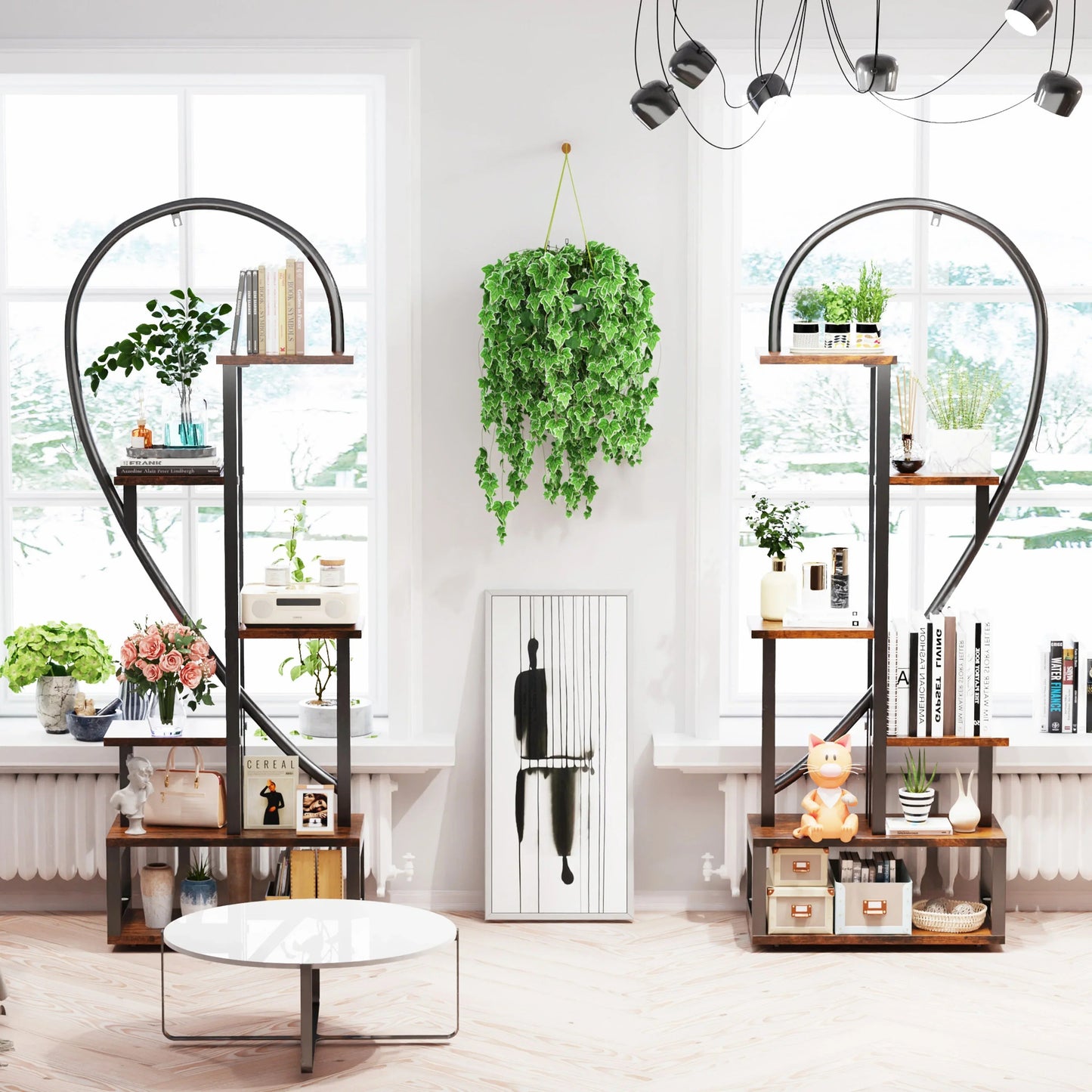
3. Multi-tier plant stands for layered styling
Multi-tier plant stands allow you to display several plants in a compact footprint. By varying heights, they add visual depth without spreading pots across the floor.
A piece like the 3-tier wooden plant and flower display stand works well in corners, near windows, or beside sofas, where vertical interest enhances the room.
4. Tall statement plant stands
Tall plant stands draw the eye upward and help define vertical space. They are especially useful in rooms with high ceilings or large windows.
In modern Aussie homes, tall stands often hold a single feature plant, creating a focal point rather than a cluster.
5. Corner plant stands for unused spaces
Corners are often overlooked in interior styling. Corner plant stands transform these areas into design features while keeping walkways clear.
Tall corner designs suit apartments and townhouses where floor space is limited but greenery is still desired.
6. Metal plant stands with clean lines
Metal plant stands offer a sleek, contemporary look. Their slim profiles and darker finishes suit modern and industrial-inspired interiors.
Our metal plant stand collection includes options that balance strength with visual lightness, making them practical for both indoor and sheltered outdoor use.
7. Ladder-style plant stands
Ladder-style plant stands combine display and structure. Their open design encourages airflow and creates a sense of movement across multiple levels.
These stands are ideal for showcasing trailing plants and work particularly well near natural light sources.
8. Bamboo plant stands for a relaxed feel
Bamboo plant stands introduce a softer, more relaxed aesthetic. They suit coastal or nature-inspired interiors where warmth and texture are key.
A design like the bamboo 4-tier plant stand holder fits comfortably into balconies, sunrooms, or casual living areas.
9. Industrial-style plant stands
Industrial plant stands often combine metal frames with timber shelves. This contrast works well in modern homes that mix materials such as concrete, glass, and wood.
These stands are often used in living rooms or entryways where they can anchor the space visually.
10. Compact single-pot plant stands
Single-pot plant stands are subtle but effective. They elevate individual plants without dominating the room.
A piece like the wooden plant stand holder works well beside sofas, beds, or desks, adding greenery without clutter.
11. Mid-century inspired plant stands
Mid-century plant stands feature tapered legs and balanced proportions. They suit interiors that blend vintage influences with modern layouts.
These designs often work best when paired with furniture that shares similar lines and finishes.
12. Vertical display plant stands
Vertical display stands are ideal for plant lovers with limited space. By stacking plants upward, they create a green feature without spreading across the room.
They are particularly useful in apartments where floor space must be used efficiently.
13. Symmetrical plant stand sets
Using matching plant stands on either side of a sofa, console, or window creates balance. Symmetry works well in formal living areas or bedrooms where order and calm are important.
Sets can be mixed with different plant varieties to keep the look natural rather than rigid.
14. Indoor-outdoor versatile plant stands
Some plant stand styles are designed to move easily between indoor and sheltered outdoor spaces. These designs suit Australian lifestyles where balconies and patios are extensions of the home.
For guidance on choosing adaptable designs, our article on selecting plant stands that work throughout the home offers practical insights.

15. Mixed-material plant stands
Mixed-material plant stands combine timber, metal, or bamboo elements. This style works well in homes that already feature layered textures.
When mixing materials, consistency in tone helps maintain a cohesive look rather than visual noise.
Styling plant stands with intention
Plant stands should feel like part of the furniture layout, not an afterthought. Placement matters as much as style. In living rooms, plant stands often work best near seating or natural light. In bedrooms, smaller or single-pot stands keep the space calm.
If you are working towards a unified interior, our guide on building a cohesive decor theme step by step explains how to align furniture, finishes, and accessories.
For smaller homes, vertical and corner designs are particularly effective. Our article on practical plant stand solutions for compact spaces explores these options in more detail.
Choosing styles that last
Trends come and go, but good design remains relevant. At Metro Elegance, we focus on plant stand styles that suit modern Australian homes beyond short-term aesthetics. Material quality, stability, and proportion matter just as much as appearance.
When chosen thoughtfully, plant stands become long-term pieces that evolve with your space and plant collection.
If you would like help selecting plant stand styles that suit your home, layout, and lifestyle, we are here to assist. Contact us to speak with our team and explore options that fit seamlessly into your space.
FAQs
What plant stand style suits modern Australian homes best?
Minimalist, Scandinavian, and clean-lined metal plant stands tend to suit modern Australian interiors due to their simplicity and versatility.
Can I mix different plant stand styles in one room?
Yes, mixing styles can work well when materials and proportions are consistent. Balance is key to avoiding visual clutter.
Are multi-tier plant stands suitable for small homes?
Multi-tier plant stands are ideal for small homes because they display several plants vertically without taking up much floor space.
Do wooden plant stands work in all interiors?
Wooden plant stands suit most interiors, particularly those with neutral tones or natural finishes. Placement and finish should match the surrounding furniture.
How tall should a plant stand be for indoor use?
Height depends on ceiling height and plant size. Taller stands work well as focal points, while shorter stands suit subtle accents.
Are bamboo plant stands durable indoors?
Bamboo plant stands are suitable for indoor use and sheltered areas when used as intended and maintained properly.
Where should I place plant stands for the best effect?
Plant stands work best near natural light, beside furniture, or in corners where they add structure without interrupting movement.